Intoxicating hemp ban: Why this policy matters and why it divides readers
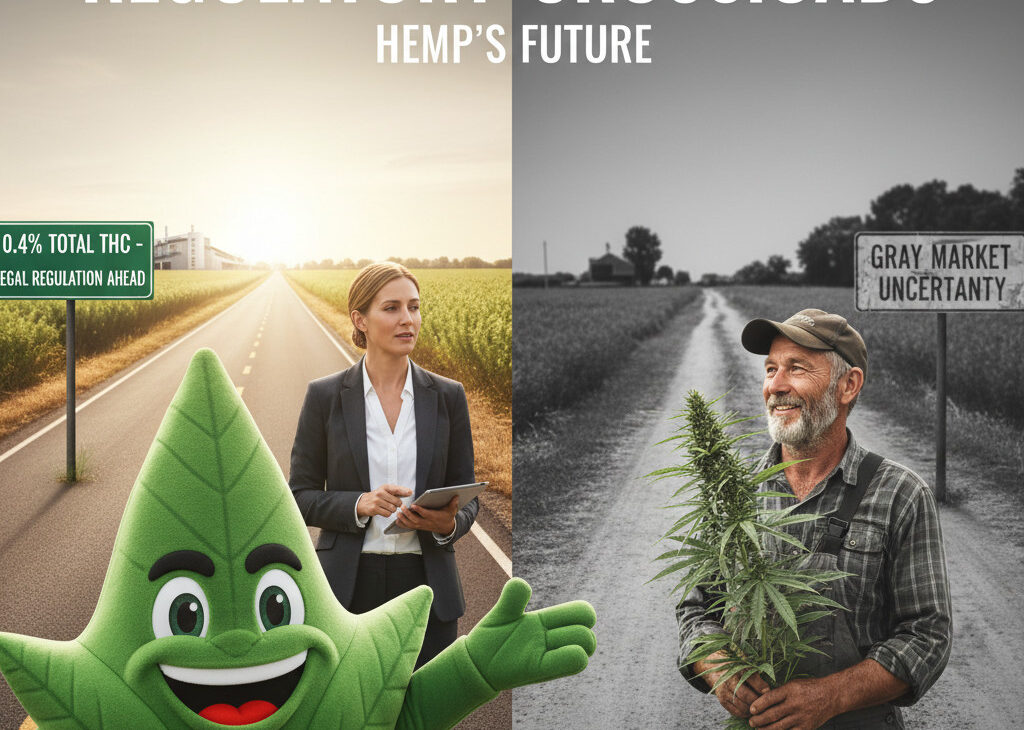
The intoxicating hemp ban is set to reshape the CBD and hemp landscape in a bold way. The new federal definition ties hemp to a maximum of 0.4 mg total THC per container, and therefore many full spectrum CBD products face urgent reformulation. As a result, legal, health, and market stakes now collide in public debate.
This introduction frames a research driven, policy focused look at the ban. We adopt a critical and cautionary tone because public trust and industry stability hang in the balance. Moreover, readers should expect clear analysis of how rules such as the Hemp Planting Predictability Act and Senate bill 3686 might change timing and compliance.
What this article will cover
- First, a plain language summary of the new federal definition and the 0.4 mg total THC per container threshold, including combined THC concerns
- Next, legal risks and proposed delays such as HR7024 and Senate bill 3686
- Then, health implications for consumers and differences between CBD and delta 8 or delta 9 variants
- Additionally, industry consequences for full spectrum CBD makers, retailers and the gray CBD market
- Finally, state responses, interstate commerce challenges and the role of public trust in rebuilding standards
We will cite data, bills, and industry reporting to help readers understand the policy trade offs and next steps.
What the intoxicating hemp ban is and its legal impact
The intoxicating hemp ban creates a new federal standard for hemp products. Under the rule, finished consumer products must contain no more than 0.4 mg total THC per container. This threshold measures combined THC, including delta-9 and other THC variants. As a result, many full spectrum CBD items could exceed the limit unless reformulated or relabeled.
Key legal thresholds and rules
- 0.4 mg total THC per container is the maximum for finished consumer goods. Therefore, labeling and serving size matter.
- Combined THC includes delta-9 and other isomers and metabolites. As a result, trace variants count toward the cap.
- The federal rule takes effect at the end of 2026 unless Congress delays implementation. Bills in play include the Hemp Planting Predictability Act and Senate bill 3686.
Why regulators moved to this limit
Policymakers cite public safety, clearer law enforcement standards, and efforts to reduce so called gas station gummies. Moreover, regulators argue the cap restores a binary legal line between hemp and marijuana. However, critics say the rule risks shrinking consumer choice and wiping out long standing full spectrum offerings.
Impact on growers and businesses
- Growers face pressure to produce cultivars with lower combined THC.
- Processors must invest in testing and reformulation to meet container limits.
- Retailers and small shops face compliance costs and inventory losses. See analysis of small shop risk at this link.
- Health and product comparisons become more complex; for context, compare CBD and delta 9 resources at this link and product implications at this link.
Stakeholders affected include growers, processors, full spectrum CBD brands, retailers, consumers, and state regulators. In short, the ban rewrites technical rules and forces broad industry change.
Scientific insights: intoxicating hemp ban and THC safety
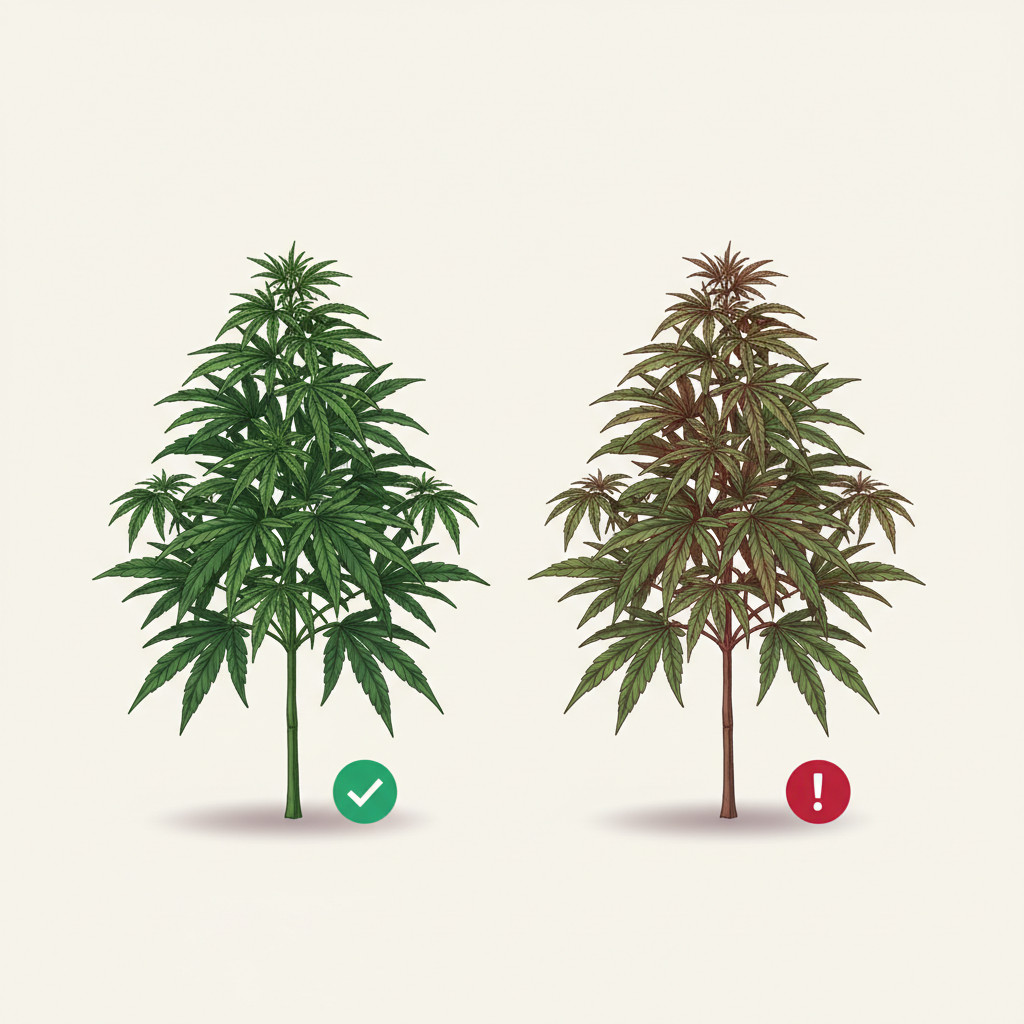
Researchers distinguish intoxicating hemp from non intoxicating hemp by dose and effect. In clinical studies, low microgram levels of combined THC rarely cause measurable intoxication. However, cumulative exposure across servings can raise risks for sensitive users.
Key scientific findings
- Measurement and labeling vary widely in the market. A peer reviewed analysis found frequent discrepancies between labeled and measured THC and CBD levels, which complicates regulation and consumer safety. See the PubMed study for details.
- Combined THC matters because delta 9 and other isomers add together. Therefore, even trace variants in full spectrum CBD can push products above regulatory caps.
- Dose response data show that impairment correlates with milligram amounts of delta 9 THC. As a result, microdose thresholds aim to prevent psychoactive effects in most adults.
- Vulnerable populations include children, pregnant people, and those on interacting medications. Consequently, even low THC levels raise safety concerns for these groups.
- Analytical method variability forces the need for standardized testing and stability studies. Moreover, regulators and labs must harmonize extraction and reporting methods to reduce uncertainty.
Implications for consumers and industry
- Consumers should require certificates of analysis and prefer labs that follow validated methods.
- Industry must invest in cultivar selection, post harvest processing, and rigorous testing to meet container based caps.
- Regulators should balance safety goals with scientific uncertainty, because abrupt limits may shrink full spectrum options without clear public health gains.
For broader context on cannabis science and policy, consult the National Academies overview.
| Region | THC limit | Notes and exceptions (sources) |
|---|---|---|
| United States (federal) | 0.3% delta-9 THC on dry weight; new per-container cap 0.4 mg total THC for finished consumer products | Per 2018 Farm Bill definition: delta-9 THC <= 0.3% on a dry weight basis. New federal rule sets a 0.4 mg combined total THC per finished consumer product container effective November 12, 2026 (subject to congressional delay). Sources: Congress Bill, Vermont Legislation, and USDA FAQ. |
| European Union | Commonly 0.3% THC for approved hemp varieties (note: some EU support rules reference 0.2%) | EU guidance on hemp cultivation and approved varieties; member states may apply specific limits for aid and marketing. Source: EU Agriculture. |
| Canada | 0.3% THC in flowering heads and leaves | Health Canada defines industrial hemp with a 0.3% THC threshold for cultivars used in production. Source: Health Canada. |
| United Kingdom | 0.3% THC (recent alignment from 0.2% to 0.3%) | GOV.UK updated hemp licensing guidance and government response to ACMD recommendations; check licensing details for cultivation and product rules. Source: GOV.UK. |
| Colorado (example state) | 0.3% delta-9 THC on dry weight basis | Colorado defines hemp consistent with federal delta-9 limits but has separate rulemaking on intoxicating hemp products and THC formulations at the state level. Source: Colorado Agriculture. |
Notes:
- Percent limits refer to delta-9 THC concentration on a dry weight basis unless otherwise noted.
- The new US per-container limit (milligrams per package) shifts enforcement from plant weight to finished product dosing, creating a compliance mismatch with percent based tests.
- Always consult the cited regulatory pages above for the latest text and exceptions, because member states and jurisdictions may add further serving size or age restrictions.
Conclusion
The intoxicating hemp ban redefines legal limits for hemp products. It ties hemp to a 0.4 mg total THC per container cap. This change forces reformulation, testing, and clearer labeling. Therefore, businesses and growers must act quickly to comply.
Congress may delay enforcement through bills such as HR7024 and S.3686. However, many states will craft their own rules to protect local markets. Moreover, courts and regulators will shape how the rule applies in practice.
With evidence based standards and transparent testing, the sector can rebuild public trust. Therefore, the intoxicating hemp ban can prompt healthier products and stronger compliance. Finally, industry actors who invest in science will benefit over the long term.
Frequently Asked Questions (FAQs)
What exactly is the intoxicating hemp ban?
The ban creates a new federal cap on finished consumer products. Finished products must contain no more than 0.4 mg total THC per container. Combined THC includes delta-9 and other THC isomers. Therefore, products are judged by package dose, not by plant percent alone.
How does the 0.4 mg per container rule work in practice?
Regulators add all THC variants to calculate combined THC. As a result, serving size and package count matter. Labs must measure total THC in the finished product. However, current testing methods and reporting differ between labs, which complicates compliance.
Will common full spectrum CBD products be illegal?
Some full spectrum items may exceed the new cap. Producers who rely on trace THC variants face reformulation pressure. Consumers should check certificates of analysis before buying. Moreover, brands that document validated lab testing will have a compliance advantage.
What are the main impacts on growers, processors, and small retailers?
Growers must select low THC cultivars and adjust cultivation practices. Processors will invest in extraction and cleanup methods. Small retailers face inventory losses and higher compliance costs. Therefore, some businesses may shift to compliance focused product lines.
What should consumers and businesses do now?
Take practical steps to reduce risk:
- Verify certificates of analysis from accredited labs.
- Request methods used and limits of detection.
- For businesses, audit inventory and test finished products.
- Monitor legislation and potential delays like bills in Congress.
If stakeholders act on science and compliance, the market can adapt. Finally, informed buyers and transparent brands will shape a safer, more trusted hemp industry.