How to Choose Quality Kava matters if you want a safe, predictable experience.
Because kava products vary in cultivar, plant part and processing, poor choices can cause side effects.
This guide explains how to choose quality kava, including noble cultivars, lab testing and microbial limits.
Therefore readers will get a simple vendor checklist and practical dosing tips to use right away.
What Is Kava? How To Choose Quality Kava
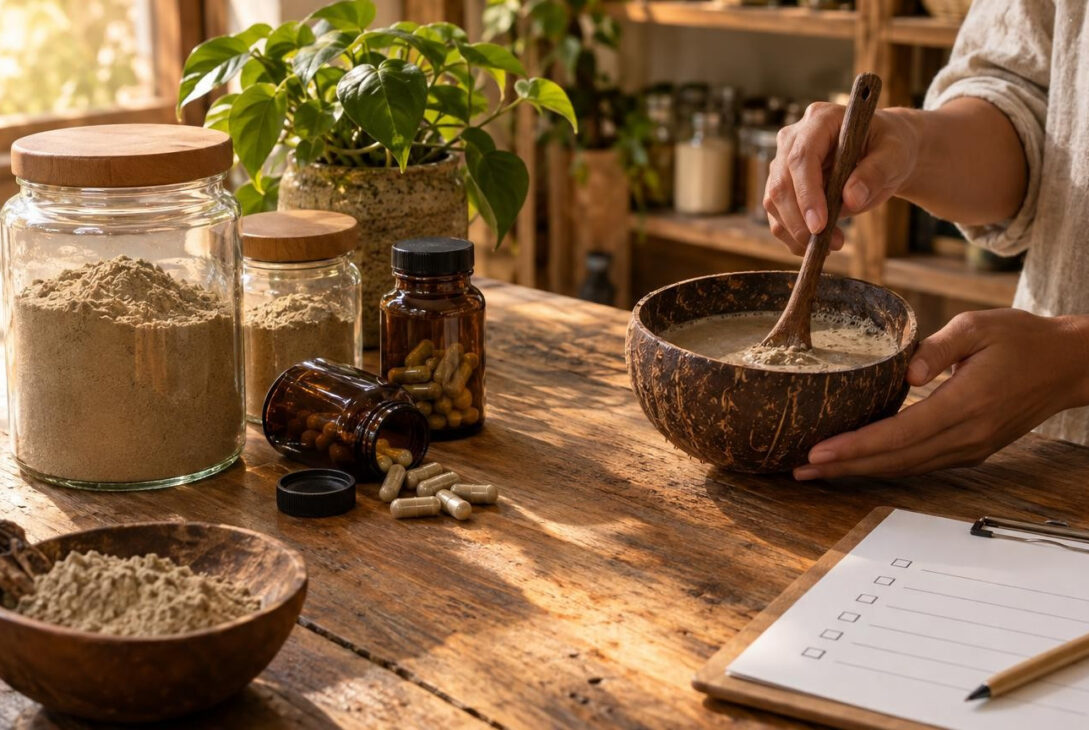
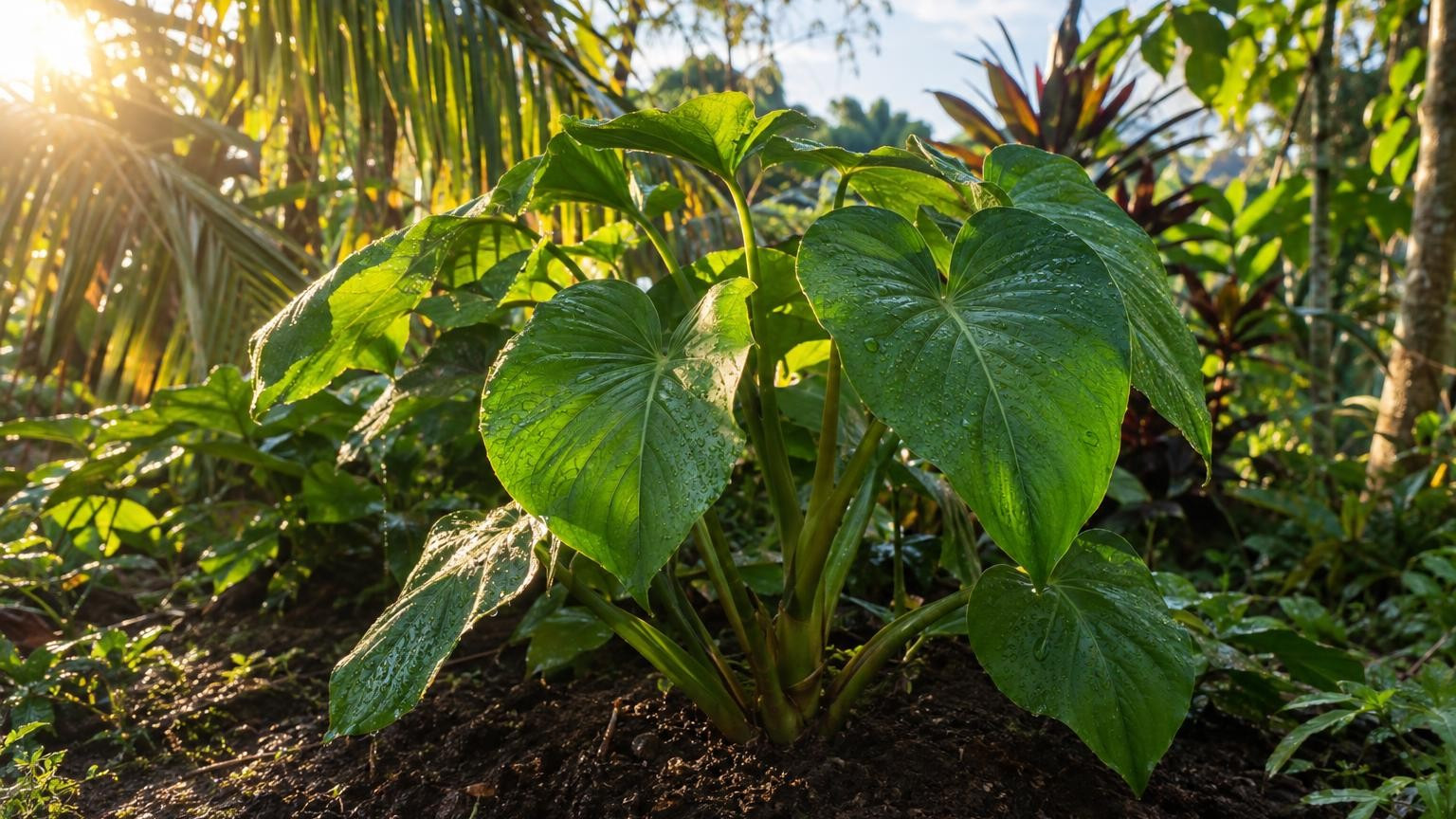
Kava is a traditional drink and herbal supplement made from the root of the South Pacific plant Piper methysticum. It is valued for calming effects and social use, and appears as powders, capsules, extracts and ready-to-drink kava beverages. Because products vary, cultivar and processing matter for safety.
How Does Kava Work?
Kava’s effects come primarily from kavalactones. Below are the key components and how they matter:
- Kavalactones: active compounds with calming effects
- GABA modulation: affects inhibitory neurotransmission
- Muscle relaxation: reduced tension and mild sedation
- Potency: kavalactone concentration drives strength
- Plant parts: root differs from stems and leaves
- Preparation: water versus extract changes profile
For safety, the National Center for Complementary and Integrative Health explains that kavalactones affect the central nervous system and that cultivar, plant part and processing can affect risks, including liver concerns. For more technical detail, see the NCCIH kava safety page: NCCIH kava safety page.
What Are the Benefits of Quality Kava?
High-quality kava delivers predictable calming effects with fewer unexpected side effects. The most important benefit is relaxation, which many people use for stress relief and social calm.
Benefits include:
- Gentle relaxation and reduced anxiety
- Improved sleep onset for some users
- Mild muscle relaxation and tension relief
- Predictable dosing and consistent effects
Because quality affects strength and safety, reputable products help users avoid dosing surprises. For example, traditional water-based preparations often show lower liver risk than concentrated extracts, according to health authorities. The National Center for Complementary and Integrative Health discusses both potential benefits and safety concerns for kava: National Center for Complementary and Integrative Health.
Why Quality Matters in Kava Selection
Choosing quality kava protects both safety and effectiveness. The key risk factors are cultivar, plant part and contamination, and each changes how kava affects the body.
Quality matters because:
- Noble cultivars give consistent kavalactone profiles
- Root-only material reduces toxic plant-part risk
- Verified kavalactone content supports accurate dosing
- Lab testing prevents microbial and chemical contamination
- Clear labeling reduces accidental mixing with sedatives
When products meet voluntary benchmarks, consumers get safer kava. The Kava Coalition’s Q4 2025 survey shows improved compliance with microbial limits, which supports better product safety: Kava Coalition Q4 2025 Survey.
| Product Form | Best Use / Ease Of Dosing | Quality Indicators | Expected Effects |
|---|---|---|---|
| Traditional powdered root | Social drinking, ceremonial use. Moderate dosing control by grams. | Root-only material; kavalactone content testing; no stems or leaves. | Milder, traditional profile; gradual onset. |
| Micronized / instant powder | Quick mixing, at-home drinks. Easier scoop dosing. | COA for kavalactones; no additives; particle-size notes. | Faster extraction; stronger perceived potency. |
| Capsules / tablets | Discreet dosing, travel. Very easy repeatable dosing. | Labeled kavalactone per dose; third-party lab report; solvent-screen. | Predictable onset; potency depends on standardization. |
| Tinctures / ethanol extracts | Fast absorption, microdosing. Precise small doses. | Extraction solvent listed; solvent residue testing; percent kavalactones. | Stronger, quicker sedation; higher concern in some reports. |
| Ready-to-drink canned beverages | Convenience and social use. Simple serving sizes. | Ingredient sourcing; microbial testing; clear kavalactone labeling. | Variable potency; often similar to water extracts when labeled. |
Sources: WHO consultation on kava safety, FDA scientific memorandum, FSANZ risk assessment.
Is Kava Safe to Use?
Kava can be safe for many people when used responsibly, but it carries documented risks for the liver and interactions.
Short-term effects include relaxation, dizziness and digestive upset. However, liver risk is the primary safety concern reported in case series and reviews.
For example, WHO’s assessment notes rare but serious hepatic reactions and highlights higher risk with organic extracts versus traditional water preparations. In addition, the National Center for Complementary and Integrative Health says plant part, cultivar and processing can change risk.
Therefore avoid combining kava with alcohol or sedatives, and look for products with third-party lab testing and clear kavalactone labeling to reduce harm: WHO Assessment NCCIH Information.
Is Kava Legal in the U.S.?
Yes. Kava is legal to buy and possess in the United States, but federal rules restrict how it can be marketed in foods. Federally, kava is not a controlled substance.
However, the FDA’s scientific memorandum states kava lacks GRAS status for conventional foods and raises safety concerns for indiscriminate use.
As a result, kava appears mainly as dietary supplements, powders or beverages that must meet general food and supplement rules and state regulations. For federal details, see the FDA memorandum and CDC historical report on liver events.
Is How to Choose Quality Kava Worth Trying?
Yes. Learning how to choose quality kava is worth trying if the goal is safer, more predictable effects.
However, the payoff depends on effort and care. Choose quality kava that lists noble root material, third party lab reports and clear kavalactone information. These markers reduce dosing surprises and contamination risks.
Therefore, applying what you learn is practical. Start with a vendor checklist, pick a small test dose and monitor how you feel.
Final Thoughts
Choosing kava wisely balances enjoyment and safety, and this article covered cultivar, plant parts, lab testing and serving formats to help readers make informed selections.
Therefore prioritize noble root material, third party certificates, clear kavalactone labels and conservative preparations where possible before you buy.
Start by checking a product’s certificate of analysis and microbial and solvent screens, choose water-based preparations when you can, and begin with a low dose while monitoring how you respond.
Related on CBD Advisor
- Launch Premium Kava Shots: Boost Your Brand with White Label Solutions
- What is the Dietary supplements pathway for cannabis medicine
- How Patriotic CBD, delta-9, and kratom deals peak July