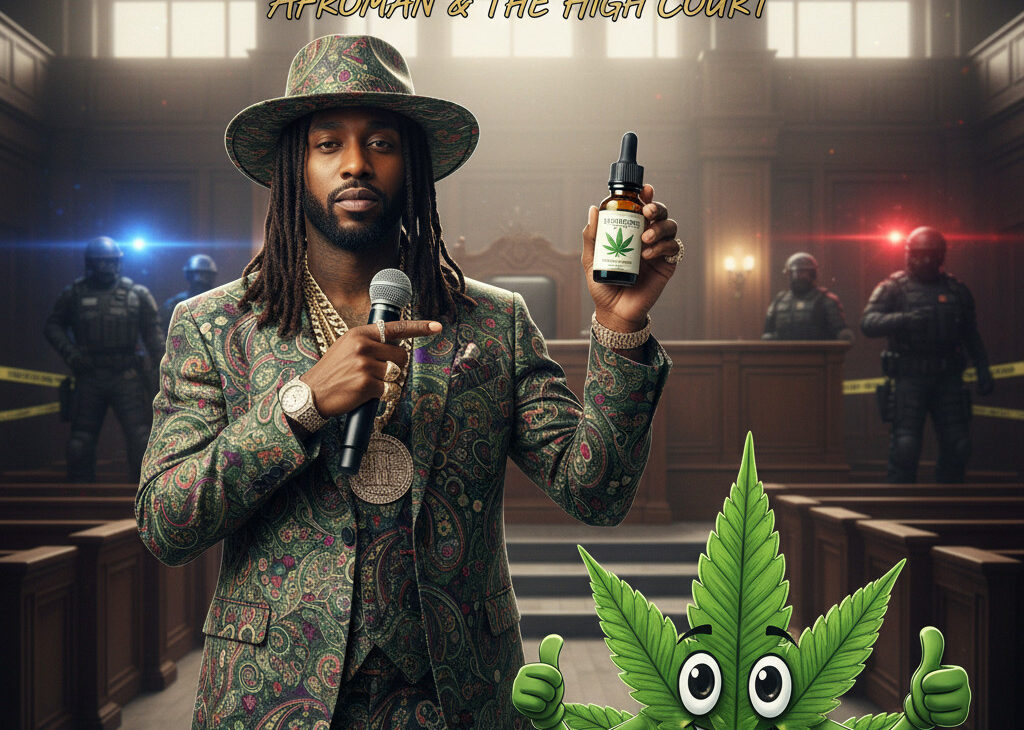
Afroman Beats Cops in Court Over Raid Videos
In a bold legal turn, Afroman beats cops in court over raid videos, a verdict that mixes music, law, and free expression. On March 18, a jury found the rapper not liable. Seven Ohio sheriff’s deputies had sued over music videos made from raid surveillance footage. However, the deputies sought millions in damages and argued invasion of privacy.
This article breaks down the case, the legal claims, and the cultural stakes. We explain how Afroman turned the raid into viral tracks from Lemon Pound Cake to Getting It Back. We also put the verdict in context because policing and cannabis culture have long intersected. Finally, we consider what the outcome means for free speech and online momentum.

Related keywords include Afroman, raid footage, Lemon Pound Cake, Getting It Back, Freedom of Speech, and police overreach.
Afroman beats cops in court over raid videos
The March 18 jury verdict shifted a viral pop culture fight into a legal landmark. On that day, jurors found the rapper not liable after seven Ohio sheriff’s deputies sued over music videos made from their 2022 raid surveillance footage. For context, the deputies sought millions in damages and argued the edits invaded privacy and damaged reputations.
Key background points
- Seven deputies sued after surveillance video of a 2022 raid on Afroman’s home became musical content and memes.
- Plaintiffs claimed invasion of privacy, reputational harm, and exposure to ridicule; they sought millions in damages.
- No criminal charges followed the original raid, which was tied to alleged drugs and kidnapping.
- Afroman repurposed the footage into viral tracks like Lemon Pound Cake and later promoted work as Freedom of Speech.
- A jury ultimately found Afroman not liable, ending the case in his favor and fueling post-verdict rollout momentum.
Why the raid videos mattered
The footage blurred lines between surveillance, commentary, and entertainment. Because the clips were publicized and remixed, the case raised privacy and free speech questions at once. Moreover, the suit tested how courts handle viral music videos that use real police footage. For reporting and further reading, see the AP coverage and Rolling Stone.
This background sets up the legal issues we analyze next, including surveillance video law, police overreach, and the cultural ties between cannabis scenes and policing.
Courtroom visual

A simple symbol of justice that echoes the legal themes in this article.
Supporting evidence and expert perspectives
Direct statements from the trial
- Afroman celebrated the verdict in court, saying “We did it, America! Yeah, we did it! Freedom of speech! Right on! Right on!” and later calling the raid “a mistake.” See the AP report for the full courtroom exchanges.
- The deputies’ lawyer pushed that Afroman repeated false claims online and harmed officers’ reputations. Rolling Stone quotes the deputies’ attorney saying Afroman “perpetuated lies intentionally, repeatedly over three and a half years on the internet about these seven brave deputy sheriffs” here.
Expert legal context
Legal scholars stress this case sits at the crossroads of First Amendment and privacy law. Harvard Law Review examines how body cameras and police footage create disclosure questions and free speech issues under current law. Because of that, judges often balance expression against privacy and public interest in their analysis.
Comparative data and trends
- Comprehensive statistics on suits over repurposed police footage remain limited. However, law reviews and media law analyses show growing litigation around bodycam and surveillance use.
- Courts tend to protect expressive works, especially parody and commentary, unless claimants show clear falsity or malicious fabrication. For a detailed legal framework, see Washington University Law Review analysis.
Why this evidence supports the verdict
Taken together, the statements and legal analysis explain why jurors sided with Afroman. Because the clips were used as commentary and art, and because no criminal charges followed the raid, the case leaned toward free expression rather than a legally actionable invasion of privacy or defamation.
Quick comparison: legal rights and privacy in raid cases
The table below compares common legal practices and privacy concerns in police raid cases. It then ties each point to Afroman’s case and explains the implications for free speech.
| Legal Aspect | Typical Practice | Afroman Case Highlight | Implications |
|---|---|---|---|
| Search warrant transparency | Courts require warrants and affidavits to justify raids. | Raid took place in 2022 and produced surveillance video. | Because no charges were filed, public interest weighed toward disclosure. |
| Surveillance footage access | Departments often retain and may release bodycam or surveillance footage. | Video was turned into music content and widely shared. | Raises questions about control, editing, and public reuse of footage. |
| Expectation of privacy | Private homes usually receive strong constitutional privacy protection. | Footage captured interior scenes; deputies argued invasion of privacy. | However, courts balance privacy against newsworthiness and First Amendment interests. |
| Defamation and reputation | Plaintiffs must show false statements and actual malice for public-figure claims. | Deputies said edits spread falsehoods and harmed reputations. | Jury found Afroman not liable, suggesting legal proof was insufficient. |
| Parody, commentary and fair use | Courts protect satire and commentary as expressive speech. | Afroman presented the edits as artistic commentary and parody. | Therefore the verdict reinforces protections for creative reuse online. |
| Remedies and damages | Courts award damages when legal thresholds and harm are proven. | Deputies sought millions in damages in civil court. | Verdict denial limits financial risk for similar expressive projects. |
Related keywords: raid footage, Lemon Pound Cake, Getting It Back, Freedom of Speech, police overreach.
CONCLUSION
The jury verdict that Afroman beats cops in court over raid videos closes a high-profile clash between expression and privacy. On March 18, jurors found the rapper not liable after deputies sued over surveillance edits. The plaintiffs alleged reputational harm and invasion of privacy, but no criminal charges followed the raid. Because Afroman framed the clips as artistic commentary, the case tested free speech limits and parody protections.
Moreover, the outcome signals lower financial risk for similar expressive projects and highlights ongoing tensions around policing and cannabis culture. Creators should remember legal balance points while police agencies must consider transparency and editing practices.
Frequently Asked Questions (FAQs)
What does it mean that Afroman beats cops in court over raid videos?
The phrase describes a March 18 civil verdict where jurors found Afroman not liable. Seven Ohio sheriff’s deputies had sued after surveillance footage from a 2022 raid became musical content and memes. They sought millions in damages for alleged invasion of privacy and reputational harm. However, because no criminal charges followed the raid and the clips served as commentary, the jury returned a verdict in Afroman’s favor.
Why were the raid videos so significant in this dispute?
The footage crossed lines between surveillance, public record, and creative remix. Because Afroman released tracks like Lemon Pound Cake and promoted work as Freedom of Speech, the videos became viral music videos. As a result, the case raised questions about privacy, surveillance video use, parody, and online momentum.
What legal claims did the deputies bring?
Plaintiffs alleged invasion of privacy, defamation, and reputational damage. They argued edits and repetition of claims exposed officers to ridicule. Typically, plaintiffs must prove falsity, actual malice, or concrete harm to win damages in such suits.
Why did the jury find Afroman not liable?
Jurors likely weighed First Amendment protections for parody and commentary. Because the clips served as expressive speech and no criminal findings followed the raid, the legal threshold for defamation or privacy harm proved high. Therefore the jury returned a “not liable” finding.
What does the verdict mean for creators and police transparency?
Creators gain clearer room to reuse public footage as commentary. However, they still face legal risk if they publish demonstrably false claims. Meanwhile police agencies should tighten release policies and editing protocols to avoid confusion and protect privacy.