
Arizona excessive cannabis smoke ban: Introduction and overview
The Arizona excessive cannabis smoke ban is sparking heated debate across neighborhoods and state halls. As more people use recreational marijuana, complaints about pungent smoke and lingering cannabis odor have risen. Therefore lawmakers have proposed new measures to curb what some call a public nuisance. This introduction explains why the issue matters now.
Overview
Communities say smoke can affect health and quality of life, especially for children and people with breathing issues. Senator J.D. Mesnard sponsored bills including SB1725 and SCR1048, which treat excessive cannabis smoke as a class 3 misdemeanor. However neither measure defines what counts as excessive, which raises enforcement and fairness questions. Because the bills also seek a ballot path, voters could decide the policy in the near future. As a result the debate blends public health concerns, property rights, and practical policing issues.
This article will unpack the proposed laws, show how public safety and neighborhood impacts intersect, and explore what undefined terms like excessive could mean in real life. It will also weigh possible outcomes if the measures become law or reach voters.
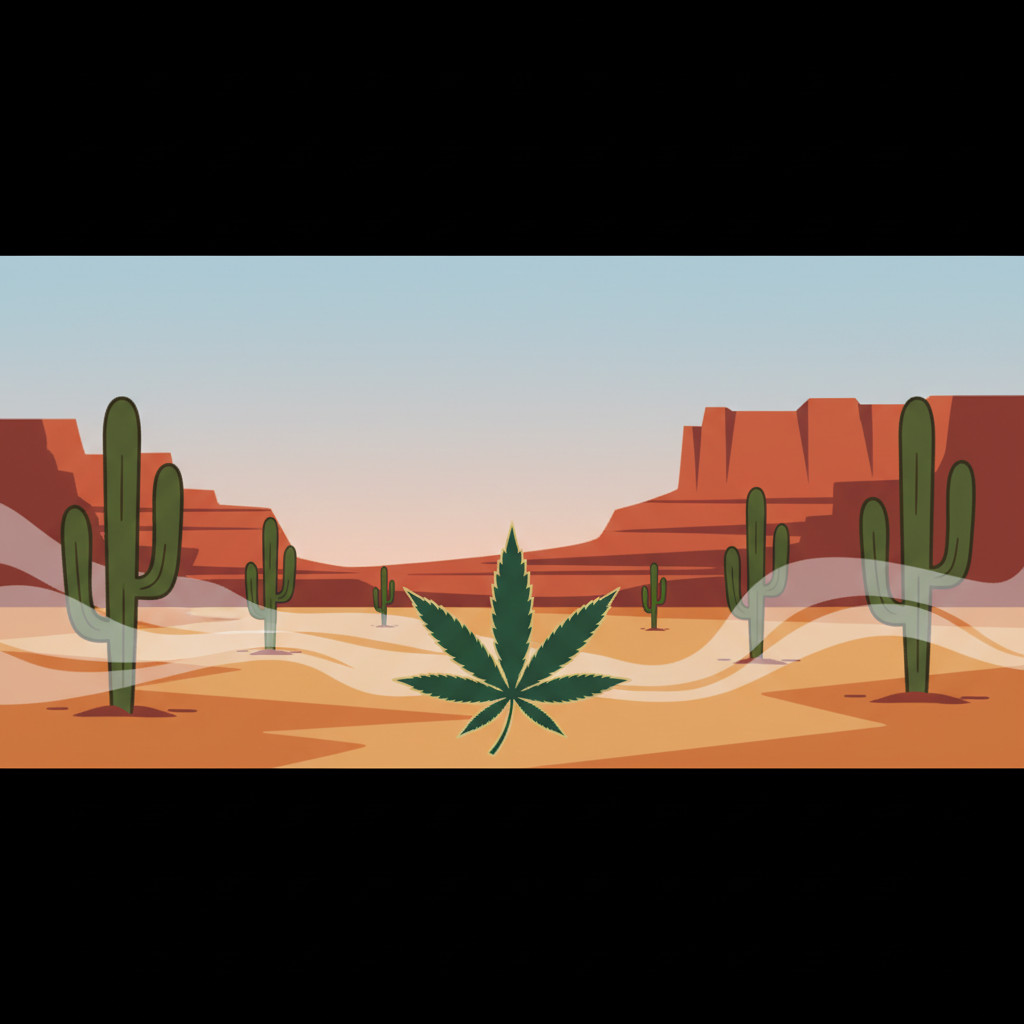
Comparative snapshot: Arizona and other state smoking rules
Below is a quick comparison of Arizona’s proposed Arizona excessive cannabis smoke ban and similar rules in other states. The table highlights scope, penalties, and how authorities enforce limits on public consumption and nuisance smoke.
| State | Summary of regulations | Penalties for violations | Enforcement methods |
|---|---|---|---|
| Arizona | SB1725 and SCR1048 would treat excessive cannabis smoke and odor as a public nuisance. The proposal creates a class 3 misdemeanor for excessive cannabis smoke, but it does not define excessive. The measures apply statewide and could reach private residences when smoke affects others. Related terms: public nuisance, SB1725, cannabis odor | Class 3 misdemeanor as proposed. Penalties follow state misdemeanor rules and could include fines or misdemeanor records if enacted. | Complaint driven enforcement by local law enforcement and code officers. The bills allow a ballot route, so implementation could change after a vote. |
| California | State law bans public consumption of cannabis in many public places. Local governments may adopt stricter rules. Related terms: public consumption, smoking ban | Typically civil fines or local citations. Some violations remain infractions rather than criminal charges. | Enforced by police, park rangers and local code enforcement. Cities set local policies. |
| Colorado | Public consumption is broadly prohibited, though licensed social use areas exist in some cities. Recreational marijuana remains legal in private spaces. | Fines or misdemeanors in some jurisdictions. Penalties vary by city. | Local police and municipal code officers handle complaints and citations. Denver allows regulated consumption spaces. |
| Oregon | Public smoking of cannabis is banned in most public areas. Local ordinances add further restrictions in parks and multifamily properties. | Generally fines and civil penalties. Local rules determine severity. | Enforcement by police and code enforcement. Landlords may enforce rules on private property. |
| New York | State public smoking laws extend to cannabis in many public settings. Local rules may limit use further in multiunit housing. | Fines and civil penalties are common. Enforcement can include citations. | Police, public health inspectors and housing authorities enforce rules, especially in shared housing. |
This table helps compare how Arizona’s proposal stacks up against states with established public consumption limits. However, Arizona’s lack of a clear definition for excessive smoke sets it apart and could complicate enforcement and fairness.
Arizona cannabis smoke ban enforcement and community response
Residents and businesses voiced mixed reactions as the proposal moved forward. Some neighbors say smoke seeps into yards and homes. However, others worry the law could criminalize lawful home use. As a result, city leaders and police warn about enforcement costs. Officials advanced the bill through committee and the Senate, according to reporting at KJZZ.
Senator J.D. Mesnard framed the measure as protecting kids and safety. He said, “If we’re going to have recreational marijuana in Arizona, we need to be responsible about it, especially as it could impact kids.” Critics counter the language is vague and could lead to unfair outcomes, as noted by local coverage at AZ Capitol Times.
Key enforcement challenges include:
- Undefined standard: The bills do not define excessive smoke, so officers lack clear thresholds. This creates legal uncertainty.
- Complaint driven enforcement: As a result, police would act mostly after neighbor reports. That may strain resources.
- Privacy and property rights: Landlords and residents fear government intrusions into private homes.
- Uneven outcomes: Enforcement could vary across neighborhoods, and thus raise equity concerns.
- Multiunit housing issues: Smoke moves between units, so tenants and landlords face disputes.
Mesnard also recounted smelling cannabis outside his children’s bedroom windows, which he cited as a motivation for the bills. Meanwhile, law enforcement leaders and civil liberties advocates have urged clearer standards. Some cities prefer mediation and civil remedies instead of criminal charges. In short, reactions show real concern and real doubts about how enforcement would play out.
Conclusion
The Arizona excessive cannabis smoke ban debate highlights competing priorities. Lawmakers aim to reduce public nuisance and protect health, while residents worry about vague rules and enforcement. Because SB1725 and SCR1048 would create a class 3 misdemeanor for excessive smoke, the legal stakes are real. However, neither bill defines excessive, which could produce uneven outcomes and strain local resources.
Frequently Asked Questions (FAQs)
What is the Arizona excessive cannabis smoke ban?
Treats persistent cannabis smoke or odor as a public nuisance and proposes a class 3 misdemeanor. Neither bill defines “excessive”, creating uncertainty for enforcement and legal interpretation.
Who would be affected?
People using recreational cannabis in private or shared housing and nearby residents who smell smoke. Landlords, tenants, small businesses, and enforcement agencies could face disputes and administrative burdens.
What penalties could result?
If enacted, violations would be a class 3 misdemeanor, which can mean fines and a misdemeanor record. Actual penalties depend on prosecutorial discretion and any future implementing rules or local ordinances.
How would enforcement work in practice?
Enforcement would likely be complaint driven with police, code officers, or housing authorities responding to reports. Because “excessive” is undefined, outcomes could be inconsistent and place strain on local resources.
Are there exceptions or defenses?
The bills do not list explicit exceptions; defenses might argue that use was confined to private property or did not create a health hazard. Stakeholders recommend mediation, civil remedies, clearer definitions, and objective measurement methods before applying criminal penalties.