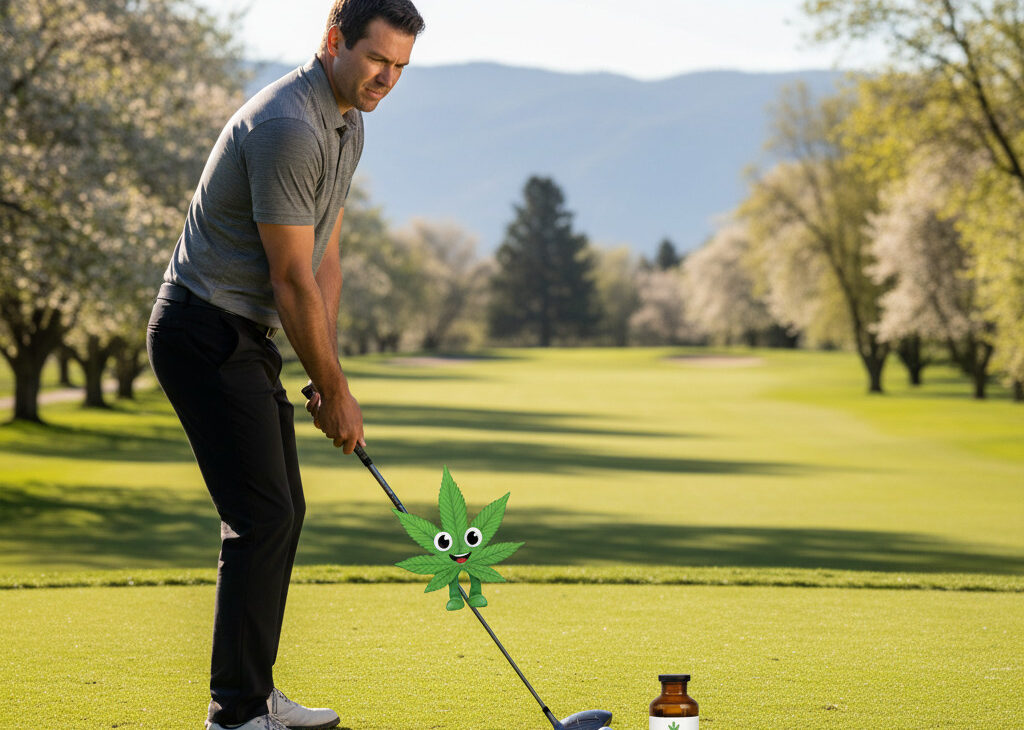
Cannabis in golf culture is shifting from taboo to trend, quietly reshaping how players manage calm and focus. Across clubhouses, events, and on-course experiences, enthusiasts combine tradition with new rituals. Proponents say cannabis helps steady nerves and sustain rhythm. However, the movement emphasizes etiquette, safety, and respect for fellow players. Organizers like 8th Iron Golf Club test creative offerings such as Player Per-Fore-Mance packs. Yet, many courses and older fans remain cautious because of stigma and regulation. Therefore, advocates focus on normalization through education and responsible use. The idea links calm mental game to better scoring and a stronger social scene. As a result, festivals, pop-up tournaments, and crossovers with music are growing. This article explores the trend with context, interviews, and etiquette tips for curious golfers. We look at how brands, players, and courses adapt to this new rhythm. Ultimately, the aim remains the same: better golf through calm, not intoxication.
History: Cannabis in golf culture
Golf traced a cautious relationship with cannabis for decades. Early high profile suspensions made headlines and shaped policy. For example, the PGA Tour disciplined players for positive tests, which sparked debate about fairness and medical use. However, public sentiment shifted as recreational laws changed across states and CBD science advanced. As a result, mainstream outlets began covering recreational use and etiquette, including guidance for players and fans. See coverage in High Times and reporting on Tour policy debates for context: Golf Channel.
Recent integration of Cannabis in golf culture
Today, organizers and brands test thoughtful, on-course offerings. Events blend music, social play, and curated products. Dominic DeNucci and groups like 8th Iron experiment with packages such as Player Per-Fore-Mance. They frame cannabis as a tool for rhythm and calm, not distraction. As they say, “The cannabis isn’t there to hijack the day. It’s there to smooth it.” Meanwhile, advocates repeat the tagline, “Get High, Shoot Low,” to summarize the approach.
Key trends
- Normalization through education and etiquette
- CBD for recovery and pain management
- Pop-up events and music crossovers
In short, attitudes moved from stigma to cautious acceptance. Therefore, the conversation now centers on safety, respect, and responsible use.
| Benefits | Concerns | Supporting Evidence or Notes |
|---|---|---|
| Calm and reduced preshot anxiety | Impaired coordination or reaction time | Anecdotal reports claim calmer putting. However, high doses can slow reactions. Use low doses and time use carefully. |
| Improved focus and rhythm for some players | Variable individual responses | Some players report better rhythm. Yet effects vary by strain, dose, and tolerance. Test privately before playing socially. |
| Pain relief and faster recovery (CBD emphasis) | Inconsistent dosing and product quality | CBD products aid recovery and inflammation in some studies. Therefore, choose lab-tested products from reputable brands. |
| Enhanced social atmosphere at events | Course policy and legal restrictions | Events and crossovers with music create community. Still, many courses restrict on-site use and state laws vary. |
| Alternative to alcohol for social play | Stigma and clubhouse etiquette concerns | Cannabis can replace drinking for social bonding. However, respect and disclosure remain essential among players. |
| Mental fatigue management during long rounds | Drug testing and pro eligibility | Brands like Player Per-Fore-Mance package use ritualized dosing. Pros face strict testing policies on many tours. |
| Pain management for older golfers | Overreliance or masking of underlying issues | Cannabis may help chronic pain. Yet it should not replace medical diagnosis or proper treatment plans. |
| Focus on normalization and education | Public perception and family-friendly image | Normalization grows through education and etiquette. Therefore, organizers emphasize safety and respect to reduce backlash. |
Cannabis in golf culture: Effects on focus and anxiety
Many golfers report that small doses calm preshot nerves and steady breath. As a result, some players find rhythm easier to keep. However, scientists warn that THC can impair memory and psychomotor skills. The National Institute on Drug Abuse explains that acute use alters attention and reaction time, which matters on the course: National Institute on Drug Abuse.
Therefore, timing and dose matter. If players choose THC, they test low doses off-course first. Meanwhile, CBD-only products often show fewer cognitive effects. Harvard Health notes memory and cognitive concerns with recreational cannabis, while also covering CBD’s different profile: Harvard Health.
Cannabis in golf culture: Pain management and recovery
Cannabis, especially CBD, may help with inflammation and post-round soreness. Many golfers prefer CBD balms for achy shoulders and wrists. Clinical evidence remains mixed, yet some trials show pain relief for chronic conditions. As a result, players use cannabis as part of a recovery plan rather than a sole treatment. However, product quality varies, so buy lab-tested items.
Practical effects on performance
- Focus: Low-THC, high-CBD may reduce anxiety without dulling cognition. Therefore, it suits short game practice
- Pain relief: CBD can ease chronic pain, which improves consistency and practice time
- Fatigue: Some golfers use microdoses to manage mental fatigue during long rounds, but individual responses vary
- Risk: High doses of THC slow reaction time and coordination, so avoid before teeing off
Anecdote and etiquette
Dominic DeNucci frames use as a rhythm tool, saying, “The cannabis isn’t there to hijack the day. It’s there to smooth it.” Thus, the trend focuses on respectful, responsible use. Ultimately, golfers weigh benefits against safety, testing products and doses before bringing them on-course.
Conclusion
Therefore, golfers can explore CBD for recovery and microdosing THC for focus with more confidence. However, respect for course rules, pro testing, and fellow players remains essential. Moving forward, the community should promote responsible use, lab-tested products, and clear communication. Ultimately, the goal is simple: enhance the mental game and build community while keeping golf welcoming and safe. Educate first, try small, and prioritize safety for everyone on the course always.
For more resources, visit MyCBDAdvisor.
Frequently Asked Questions (FAQs)
Is cannabis legal to use on golf courses?
Laws vary by state and course. Check local cannabis laws and club rules before use. Always follow policies and staff instructions.
Will cannabis hurt my performance?
Effects vary. Low THC or CBD may reduce anxiety and aid recovery, but high THC can impair coordination and reaction time. Test products before playing.
Can cannabis help with pain and recovery?
Many golfers use CBD for inflammation and soreness. Evidence remains mixed, so choose lab tested products and consult provider.
Is cannabis socially accepted in golf culture?
Acceptance is growing at pop-up events and among younger players. Etiquette and respect for others remain essential.
How do I try cannabis safely while golfing?
Start with microdoses, use lab tested items, respect course rules, avoid driving impaired, and communicate with partners.