
Introduction
A sudden Idaho court ruling excluded roughly 900 signatures delivered minutes late, keeping a medical cannabis initiative off the ballot, and the White House has urged Congress to delay or replace a looming federal hemp THC ban to allow clearer guardrails Idaho signature ruling and White House letter seeking delay.
This article explains recent state and court decisions that shape state cannabis rules and ballot measures, contrasts divergent regulatory moves on potency, labeling, and authorized retail channels, and clarifies the federal versus state tension that affects banking, taxes, and compliance for hemp products and THC beverages. It also provides practical steps for business owners, advocates, and voters to stay compliant or to challenge rules effectively and ethically.
Read on for timely examples, state comparisons, federal context, and actionable compliance and advocacy steps.
What are Cannabis regulation and ballot initiative rulings?
Cannabis regulation and ballot initiative rulings are laws, court decisions, and voter measures that set rules for hemp and marijuana. They determine age limits, potency caps, labeling, and where products can be sold. Because courts and state ballots change quickly, businesses and voters must follow rulings closely to stay compliant.
How ballot initiative rulings impact cannabis regulation
Ballot initiative rulings directly change state law because voters and courts can set or block new rules. Voter-approved measures can create licensing systems, require lab testing, or set possession limits, and courts frequently resolve procedural issues that determine whether questions reach ballots. For filing mechanics and official timelines see Idaho initiative filing requirements.
In a recent Idaho case a judge held that roughly 900 petition signatures could not be counted because a contractor delivered them about five minutes after the statutory deadline, which kept the medical cannabis measure off the ballot. That ruling enforces strict adherence to filing cutoffs and means campaigns must prove timely delivery or risk disqualification. For reporting on the court decision see Idaho signature-deadline ruling.
Campaign team checklist for immediate actions
- Track deadlines with time-stamped logs and redundant delivery windows
- Maintain chain-of-custody documentation and obtain receipts from clerks
- Verify acceptance with county clerk offices upon submission and consult counsel for disputes
Sources: Idaho signature-deadline ruling, Idaho initiative filing requirements
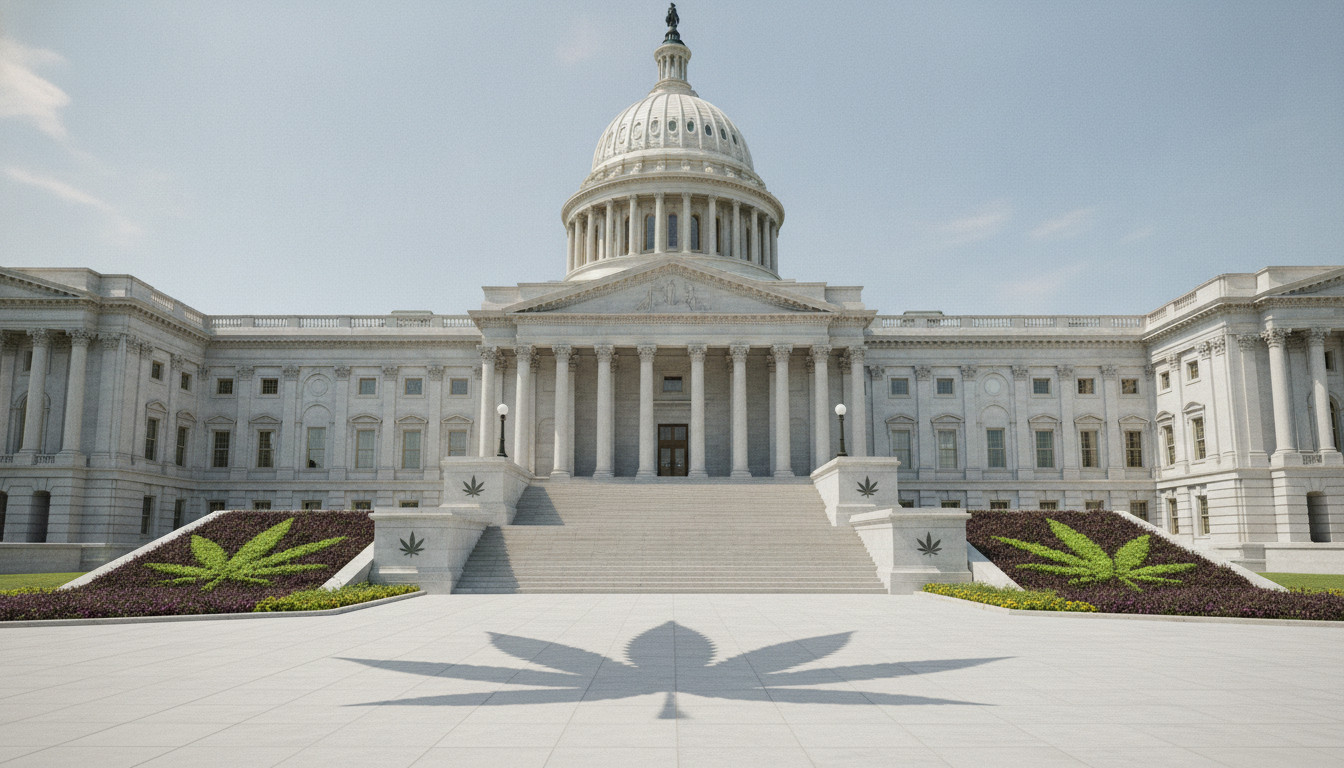
Comparing Cannabis Regulation and Ballot Initiative Rulings
Cannabis regulation and ballot initiative rulings vary widely by state, and this table compares recent measures.
| State | Year | Initiative Name | Outcome | Key Regulatory Impact |
|---|---|---|---|---|
| Arizona | 2020 | Arizona Proposition 207 (Smart and Safe Arizona Act) | Approved | Legalized adult use, set age 21, created licensing system and tax framework |
| California | 2016 | Proposition 64 (Adult Use of Marijuana Act) | Approved | Legalized adult use, reduced penalties, enabled commercial licensing and labeling rules |
| Montana | 2020 | Initiative I-190 | Approved | Legalized adult use, established 20 percent tax and retail licensing with testing requirements |
| Missouri | 2022 | Amendment 3 | Approved | Legalized adult use, set 21 age limit, created retail system and a 6 percent sales tax |
| Idaho | 2026 | Citizen medical cannabis petition | Disqualified from ballot | Judicial ruling rejected late signatures, blocking ballot access and highlighting procedural risk |
Table caption: Comparative summary of selected state cannabis ballot measures and their regulatory impacts. Sources: Arizona Proposition 207 details, Proposition 64 summary, Montana I-190 text, Missouri Amendment 3 overview, Idaho signature ruling report.
Across approved measures, states commonly set 21 as the minimum age and create licensing and testing frameworks while relying on percentage or excise taxes to fund oversight and public programs. Many jurisdictions pair consumer protections such as mandatory lab testing and standardized labeling with enforcement mechanisms that raise compliance costs for small businesses. The Idaho row matters as a procedural caution because judges can remove entire initiatives over narrow technicalities like late or improperly delivered signatures, underscoring the need for rigorous deadline controls.
Federal vs State Cannabis Regulation
Cannabis regulation and ballot initiative rulings create a direct conflict between federal law and state voter measures. States pass laws by ballot initiative or legislation, while federal statutes still classify marijuana under strict rules. Therefore this tension makes legal outcomes complicated and unpredictable for policy makers and businesses.
At the federal level, marijuana remains tightly scheduled under the Controlled Substances Act. For legal reference see 21 U.S.C. § 812 and the DEA drug scheduling explanation: DEA drug scheduling. Because federal law and state initiatives differ, banking rules, tax treatment, and interstate commerce face major hurdles.
Enforcement becomes inconsistent across jurisdictions, and prosecutors exercise wide discretion. For example, federal priorities may focus on large-scale trafficking, while states regulate retail sales and testing. As a result compliance costs rise and firms must follow both federal guidance and state rules.
The cannabis industry sees uneven market conditions and legal uncertainty. Investors, insurers, and payment processors respond cautiously, and small businesses often face the greatest burden. Therefore business owners should monitor both ballot initiative rulings and federal developments closely to manage risk and plan operations effectively.
CONCLUSION
Cannabis regulation and ballot initiative rulings now reshape state markets and legal risks across the United States. For example, states set age limits, potency caps, authorized retail channels, mandatory lab testing, and product labeling rules. Meanwhile, courts resolve procedural issues such as late ballot signatures, which can prevent medical cannabis initiatives from reaching voters.
Because federal law still conflicts with many state measures, businesses face legal uncertainty, limited banking options, and rising compliance costs. Therefore monitor changes in hemp regulation, ballot signatures rules, and federal guidance closely, and update business plans promptly. Subscribe to reliable news sources and consult legal counsel if you operate a CBD, hemp, or hemp-derived THC business. Staying informed helps advocates, voters, and small businesses adapt, challenge unfair rules, and seize lawful opportunities as laws change.
Frequently Asked Questions
What are these rulings?
They include state laws, voter measures, and court decisions that set rules for hemp and marijuana. These actions determine permits, age limits, potency, testing, and labeling, and can change rapidly.
Why do signature deadlines matter?
Deadlines decide whether a measure reaches the ballot. Courts sometimes reject late submissions, which can keep a question off the ballot even when supporters collected enough signatures.
How do ballot rulings affect hemp products?
Measures can impose potency caps, restrict retail channels, or require additional lab testing and labeling. As a result sellers must adjust formulations, batch testing, and packaging to comply.
How does federal law interact?
Federal classification of controlled substances creates conflicts with state measures and raises banking, tax, and interstate commerce issues. For the federal scheduling overview see the federal drug scheduling overview: federal drug scheduling overview.
What should businesses and voters do?
- Monitor local filings and court rulings regularly to spot changes early
- Consult counsel before launching new products or campaigns to reduce legal risk
- Update testing, labeling, and recordkeeping procedures to match current rules
- Strengthen signature-drive controls and delivery timelines when qualifying measures
- Budget for compliance costs and limit exposure by using conservative formulations
Key resources to monitor
- federal drug scheduling overview
- state initiative filing requirements
Related on CBD Advisor
- How Do Cannabis policy lawsuits Alter Massachusetts Ballots
- What does Florida cannabis legalization ballot qualification failure mean
- Cannabis policy and regulatory challenges in Florida and Nebraska