Cannabis Regulation and Enforcement: How New State Rules, Fines, and Smoke Bans Affect Consumers and Dispensaries
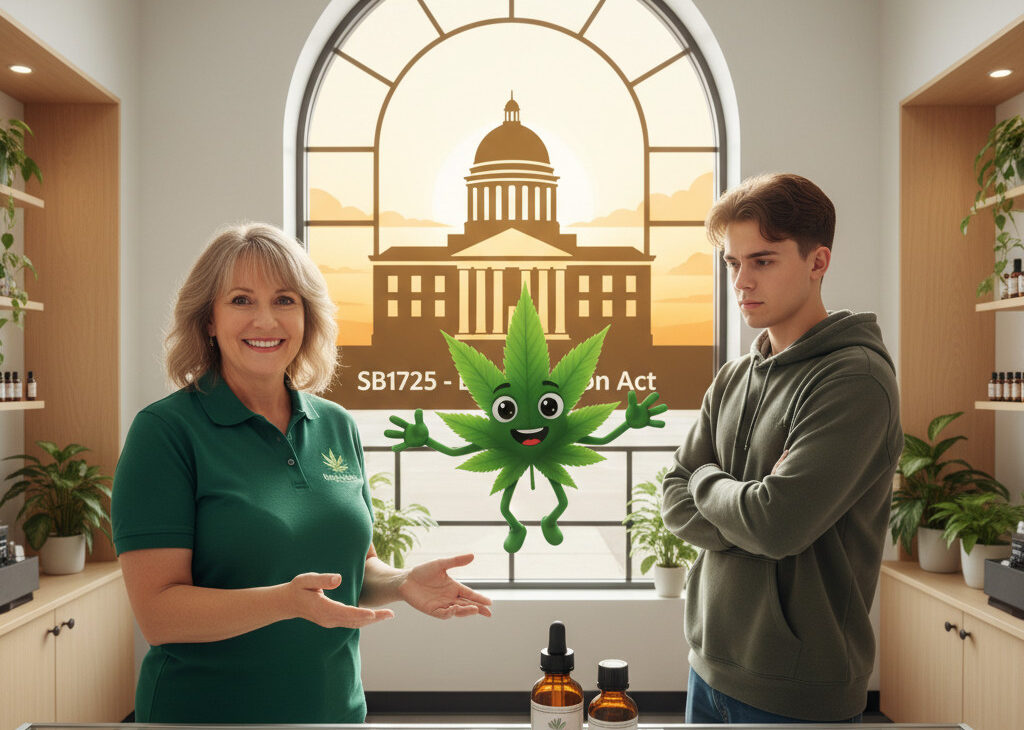
Across states, cannabis regulation and enforcement shapes consumer access, retailer behavior, and public health. New laws on smoke bans, fines, and licensing create daily uncertainties for users and dispensaries. For example, proposals like SB1725 treat excessive smoke as a public nuisance. Meanwhile, city actions sometimes trigger large fines and license suspensions for hospitality venues. This article explains why these moves matter for patients, consumers, and small businesses.
Therefore, we will break down compliance risks, enforcement trends, and real cases. Because definitions often lack clarity, enforcement can feel arbitrary and unpredictable. Moreover, debates over THC limits, taxation, and on-site consumption complicate policymaking. Readers will learn how fines, misdemeanor rules, and ballot measures intersect. As a result, dispensaries must adapt policies and training to stay compliant.
Finally, this piece offers practical takeaways to help operators and consumers navigate change. MyCBDAdvisor aims to provide clear, trustworthy guidance on evolving cannabis policy and marijuana enforcement. We also highlight related issues like delta-8 regulation and illegal sampling.
Cannabis regulation and enforcement: the current landscape
State and federal systems govern cannabis in different ways, and enforcement often collides with policy. Because federal law still lists cannabis as controlled, states must build parallel regulatory systems. However, the result is a patchwork of rules for consumers and businesses.
How laws are structured
- States set licensing, sales, and possession rules. For example, see Washington home cultivation guidance at Washington home cultivation guidance.
- Local governments add zoning, smoke bans, and nuisance ordinances.
- Federal agencies influence enforcement and research funding, because they control scheduling and grants. See the Department of Justice at Department of Justice.
Who enforces the rules
- State cannabis control boards handle licensing and compliance.
- State and local police address criminal violations and public nuisance claims.
- Health agencies and consumer protection offices investigate product safety. For federal medical oversight, see the FDA at FDA.
Key challenges
- Unclear definitions cause uneven enforcement. For example, the term excessive smoke lacks consistent meaning.
- Conflicting rules between jurisdictions create compliance gaps and confusion.
- Enforcement priorities vary with political winds, and agencies use fines and suspensions often.
- The illicit market complicates regulation, as shown by recent California enforcement actions at California enforcement actions.
Because the landscape changes fast, operators must monitor rules closely. Moreover, consumers should track local ordinances and trust licensed sellers. Finally, regulators need clearer standards and consistent enforcement tools.
State comparison table: cannabis regulation and enforcement
| State | Legal Status (Medical, Recreational, None) | Enforcement Agency | Key Restrictions |
|---|---|---|---|
| Arizona | Recreational | State cannabis regulator / licensing board | Public consumption bans, smoke nuisance proposals, and local zoning limits. |
| Colorado | Recreational | Colorado Department of Revenue, Marijuana Enforcement Division | Strict state licensing, on-site consumption restrictions, tight testing and packaging rules. |
| Washington | Recreational | Washington State Liquor and Cannabis Board | Home cultivation allowed with limits; local smoke bans possible. See Washington State Home Cannabis Bill. |
| California | Recreational | California Department of Cannabis Control (Bureau of Cannabis Control) | Aggressive illicit market enforcement and seizures. See California Illicit Cannabis Seizures. |
| New York | Recreational | Office of Cannabis Management | Strong market controls, licensing caps, and public use restrictions. Analysis at New York Cannabis Market Growth Risks. |
| Florida | Medical | Florida Office of Medical Marijuana Use | Medical program limits, patient registry, and tight qualifying conditions. |
Impact of cannabis regulation and enforcement on consumers and businesses
Regulation affects consumers and businesses in different ways, and enforcement changes can shift markets fast. Because rules vary by state, outcomes differ by location. Moreover, enforcement choices shape safety, price, and access.
Consumer impacts
- Access and availability change with licensing and local bans. For example, smoke bans or nuisance laws can limit public use and reduce convenient retail options.
- Price and product choice respond to taxes and rules. As a result, high taxes can push some buyers toward illegal sellers, according to research at BMC Public Health.
- Safety improves when regulators require testing and labeling. However, unclear enforcement of potency rules can confuse consumers about product risks. For health context, see the National Academies review at National Academies.
Business impacts
- Compliance costs rise with licensing, testing, and local zoning. Therefore, small operators face higher barriers to entry and survival.
- Enforcement actions, including fines and suspensions, change behavior quickly. For example, Denver fined a hospitality venue for alleged violations, showing penalties can be large and swift.
- Market displacement depends on pricing and access. Columbia University research finds recreational laws can reduce illegal markets, when legal prices stay competitive Columbia University.
In short, consumers want safe, affordable choices, and businesses need predictable rules. Consequently, clearer standards could reduce illicit sales, improve public health, and support legitimate operators.
Conclusion
State moves on smoke bans, fines, and licensing show how complex cannabis regulation and enforcement has become. New laws and local ordinances create uneven rules across states. As a result, consumers face varied access and safety standards. Meanwhile, businesses face steep compliance costs, licensing hurdles, and the risk of fines or suspensions.
Clearer definitions and consistent enforcement would help both groups. Therefore, regulators should aim for transparent standards and predictable penalties. In the meantime, operators must invest in compliance and staff training. Likewise, consumers should buy from licensed sellers and follow local rules.
For reliable updates and research informed advice, visit MyCBDAdvisor at MyCBDAdvisor. We help readers navigate this evolving landscape with clarity and care.
FAQ: cannabis regulation and enforcement
What does cannabis regulation and enforcement mean for everyday users?
Regulation sets rules for purchase, possession, and public use. Therefore, users must follow state laws and local ordinances.
Enforcement means agencies can fine or prosecute violations. As a result, public consumption and unlicensed purchases carry risk.
How do smoke bans and nuisance laws affect private behavior?
Local smoke bans can limit where people consume cannabis. However, proposals that call smoke a public nuisance may apply even on private property.
Because definitions vary, residents should check local ordinances and avoid actions that could trigger complaints.
Can enforcement rules change product availability and price?
Yes. Licensing, taxes, and testing requirements increase costs for legal sellers. Therefore, high costs sometimes push customers to illicit markets.
Conversely, clear, consistent rules can shrink illegal supply and improve safety.
What should businesses do to reduce enforcement risk?
Train staff on age checks, sampling rules, and on-site consumption limits. Moreover, document compliance and keep licenses current.
If regulators inspect, cooperate and correct violations quickly to lower penalties.
Where can I find reliable updates about rules and compliance?
Follow state cannabis regulators and trusted research sites. For plain English guidance, rely on MyCBDAdvisor’s research driven coverage to explain policy clearly and help you stay compliant.