Cannabis Telemedicine in Germany: Modern Telehealth Meets Local Pharmacies
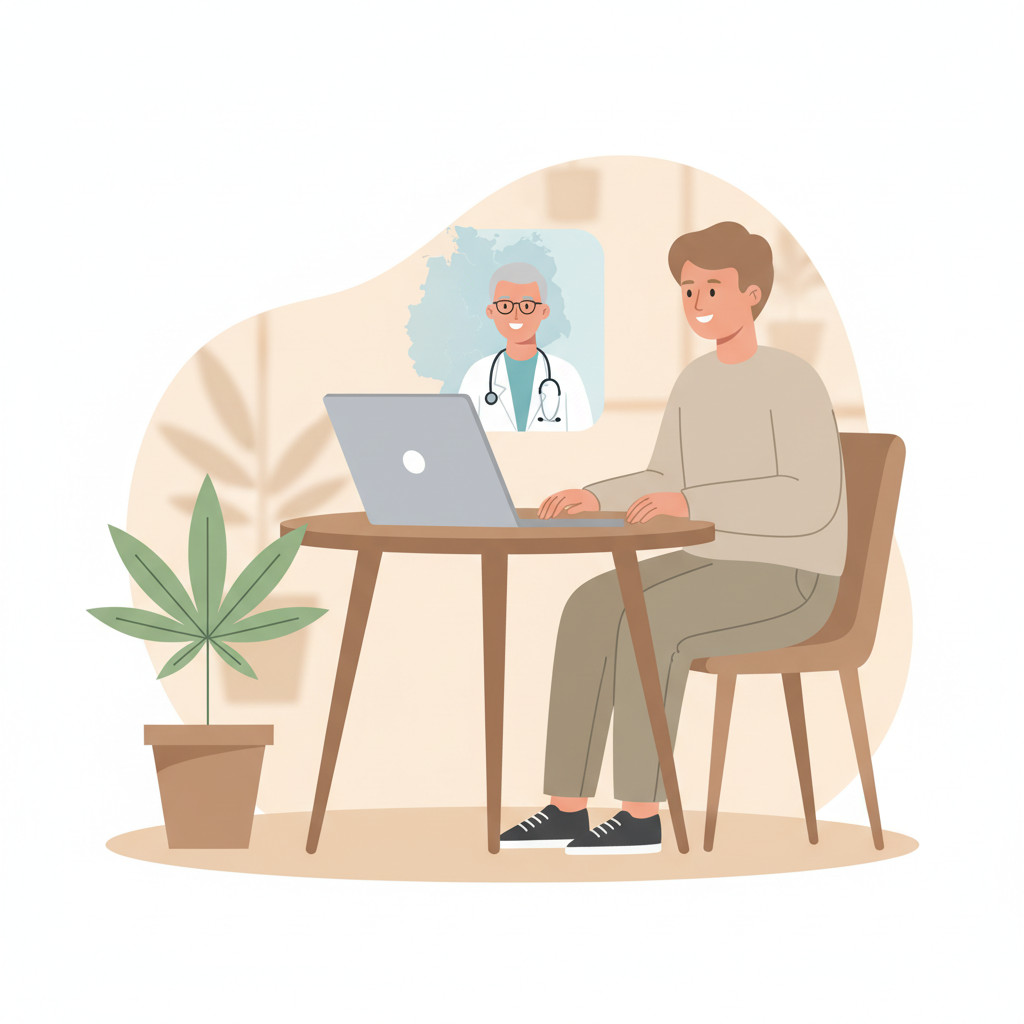
Cannabis Telemedicine in Germany is growing fast and changing how patients get care. Because telehealth links doctors, pharmacists, and electronic prescription systems, access becomes easier. Patients can consult clinicians from home and then receive pharmacy guided dispensing and last mile delivery. As a result, many people find treatment steps shorter and less stressful.
This article explains how telemedicine, pharmacy compounding, and electronic prescriptions work together. We cover trends such as price shifts, pharmacy closures and openings, and the role of platforms like Bloomwell Group. However, we focus on practical details that matter to patients and providers.
You will learn why telehealth can scale care, how pharmacists manage compounding, and what regulatory gaps remain. Our tone aims to be friendly, factual, and useful. Therefore, you can trust this overview to help you make informed choices about medical cannabis and telemedicine in Germany. Read on to see how telemedicine serves patients across Germany.
Benefits of Cannabis Telemedicine in Germany
Cannabis Telemedicine in Germany improves access and convenience. Patients consult clinicians from home, therefore fewer travel barriers exist. Because telehealth ties into the government e-prescription system, doctors can send secure electronic prescriptions directly to licensed pharmacies. As a result, care becomes faster and more discreet.
Key benefits include:
- Greater access to care for rural and mobility-limited patients. Remote visits reduce time and cost.
- Faster prescriptions because e-prescriptions move instantly to pharmacies. This links clinicians and pharmacists in one workflow.
- Scalability since telemedicine lets doctors oversee thousands of patients per year. Therefore clinics can reach more people.
- Improved continuity of care via remote follow ups and digital records. This helps long term management.
- Competitive pricing and variety as market activity grows. For example, medical cannabis sells for as little as three euros per gram.
- Pharmacy expertise preserved because local pharmacists still compound and counsel patients.
For more on how telemedicine helped prescription growth and pricing, see this article and this resource.
Challenges of Cannabis Telemedicine in Germany
Cannabis Telemedicine in Germany faces regulatory and logistical hurdles. However, the system shows clear promise.
Major challenges include:
- Regulation ambiguity because cannabis often remains an off-label prescription. This forces pharmacists to compound products.
- Pharmacy network strain as many independents serve high patient volumes. In 2025 the sector saw 502 closures and 62 openings.
- No centralized EU patient registry exists, which complicates monitoring. For context, see the International Narcotics Control Board guidance.
- Data and privacy risks tied to digital prescribing and delivery platforms. Moreover, last-mile logistics must meet strict safety rules.
- Cross-border and supply constraints because no multinational firms ship directly into Germany.
Overall, telemedicine offers clear benefits. Yet firms, regulators, and pharmacists must solve these barriers to scale safely.
Cannabis Telemedicine in Germany: Traditional in-person vs Telemedicine
| Aspect | Traditional in-person access | Cannabis Telemedicine in Germany |
|---|---|---|
| Convenience | Requires travel and waits at clinics and pharmacies. | Consult from home and reduce travel. Appointments often quicker. |
| Accessibility | Limited in rural areas and for mobility-limited patients. Pharmacies may run out. | Expands reach to rural patients. E-prescription ties clinicians to pharmacies. |
| Appointment scheduling | Book by phone or in person. Lead times can be long. | Online booking and remote triage make scheduling faster. |
| Privacy | Clinic visits feel public to some patients. Counselling happens in person. | More discreet visits and optional home delivery. Therefore privacy often improves. |
| Prescription flow | Paper or local e-prescription picked up in person. | Secure e-prescription sent digitally to licensed pharmacies. Turnaround is faster. |
| Pharmacy role | Pharmacists compound and counsel in person. | Pharmacists still compound. However they coordinate with telehealth teams and deliveries. |
| Patient experience | Face-to-face care gives personal touch. | Convenient follow-ups and digital records improve continuity. Yet some prefer in-person care. |
| Cost and wait times | Travel costs and longer waits raise barriers. | Lower indirect costs and often faster fulfillment. |
Legal framework for Cannabis Telemedicine in Germany
Germany fully legalized cannabis on April 1, 2025. Cannabis Telemedicine in Germany therefore operates inside that new legal framework. The telemedicine model links doctors, pharmacies, and a government e-prescription system. As a result, clinicians can issue secure electronic prescriptions that licensed pharmacies must fulfil. However, law and practice still leave important details unresolved.
Cannabis Telemedicine in Germany: prescriptions and pharmacy rules
- Cannabis is legal nationwide for adults, yet medical prescribing follows specific rules.
- Most medical cannabis prescriptions remain technically off-label. Therefore pharmacists must compound some products.
- German pharmacies act as the legal entry point. No multinational firm ships direct into Germany. As a result, licensed pharmacies control supply and dispensing.
- The e-prescription infrastructure ties clinicians to pharmacies. This improves traceability and reduces fraud.
For reporting on prescription patterns and market shifts, see this report on medical cannabis surge and this report on cannabis reform prescriptions.
Cannabis Telemedicine in Germany: compliance and monitoring
- There is no centralized cannabis patient registry anywhere in the EU. This gap complicates cross-border monitoring. For guidance, see the International Narcotics Control Board.
- Data protection and privacy rules apply strictly. Telehealth platforms must meet German and EU GDPR standards. Therefore secure data handling is essential.
- Pharmacists must follow compounding, labeling, and counseling rules. Regulators may audit records and supply chains.
What patients and providers should know
For patients
- Keep identification and medical history ready for telehealth visits.
- Expect an e-prescription that routes to a licensed pharmacy.
- Ask about compounding practices and product consistency.
For providers and pharmacists
- Verify e-prescription compatibility with local pharmacies.
- Maintain secure patient records and obtain informed consent.
- Prepare for audits and supply constraints because pharmacy closures affect access.
In short, Cannabis Telemedicine in Germany offers legal pathways and clear benefits. Yet providers and patients must follow evolving rules and compliance steps carefully.
Conclusion
Cannabis Telemedicine in Germany is quickly becoming a practical option for many patients. It unites telehealth, e-prescription, and pharmacy compounding into a single workflow. Therefore patients gain faster access and better follow-up care. However regulatory gaps and pharmacy capacity limits still require attention. As a result, clinicians and pharmacists must prioritize compliance, secure data, and clear counseling.
Finally, expect the landscape to evolve as regulators clarify rules and as pharmacy networks adapt. We will update guidance as new data emerge.
Frequently Asked Questions (FAQs)
How does Cannabis Telemedicine in Germany work?
Patients book an online consultation with a licensed doctor. The clinician reviews symptoms and medical history. Then the doctor issues a secure electronic prescription when appropriate. The e-prescription routes to a licensed German pharmacy. Pharmacists compound or dispense products and arrange pickup or delivery.
Who is eligible for Cannabis Telemedicine in Germany?
Adults with a legitimate medical need may qualify. Eligibility depends on clinical assessment and documentation. Children or complex cases may need in person visits. Providers decide case by case, and insurers may have separate rules.
Is Cannabis Telemedicine legal and regulated?
Yes, cannabis became legal in Germany on April 1, 2025. Telemedicine operates inside the e-prescription framework. Pharmacists must follow compounding and dispensing laws. Platforms must comply with GDPR and other health rules. See GDPR guidance and INCB guidance for context.
How is my privacy protected during telehealth visits?
Telehealth platforms must use encryption and secure storage. You should receive informed consent before data collection. Ask providers about retention periods and access controls. Moreover, you can request records or corrections under GDPR.
What happens after a telemedicine prescription is issued?
The pharmacy receives the e-prescription and prepares the medicine. You will receive counseling on use and dosing. Then you can pick up or accept delivery. Expect follow ups and dose adjustments, because clinicians monitor response and safety. Contact your healthcare team for personalized guidance.