Athletes and weekend warriors often face delayed onset muscle soreness (DOMS) and extended post workout downtime after intense training. This guide is for readers who want practical, evidence informed strategies to shorten recovery time and reduce soreness while training consistently.
Cannabidiol modulates inflammation and calms immune signaling, while cannabigerol interacts with sensory neurons and nociceptive channels, and together they influence CB1 and CB2 pathways to support systemic balance, reduce pain signaling, and aid tissue repair. Evidence spans preclinical work and early clinical signals: larger CBD trials exist, CBG research is emerging, and a randomized pilot trial reported reduced delayed onset muscle soreness interference with a combined formula containing roughly 35 mg CBD and 50 mg CBG, suggesting practical post workout recovery benefits for trained participants (randomized pilot trial). Tinctures can establish a morning baseline for inflammation, topicals deliver focused help to sore muscles after training, and blends such as 1:1 or 2:1 CBD to CBG, sometimes with beta caryophyllene to target CB2 pathways, may balance systemic and local effects for faster functional recovery. For practical use, choose lab tested products, follow sensible dosage guidance by starting low and titrating up slowly, track outcomes such as pain, sleep, and mobility, consult a healthcare professional about medication interactions and safety before use, insist on a certificate of analysis and third party lab reports, note potential side effects such as drowsiness, and avoid driving until you know how a product affects you; see sensory neuron receptor interactions (sensory neuron research) and an entourage review (entourage review) for supporting evidence.
Tinctures establish a morning baseline for inflammation, whereas topicals deliver focused help to sore muscles after training. Blends around 1:1 or 2:1 CBD to CBG may balance systemic and local effects; Beta Caryophyllene can enhance CB2-directed relief. See sensory neuron receptor interactions and an entourage effect review (https://pubmed.ncbi.nlm.nih.gov/41256665/), (https://pubmed.ncbi.nlm.nih.gov/39598452/).
What is CBD-CBG synergy for recovery?
CBD-CBG synergy for recovery refers to combining cannabidiol and cannabigerol to support post-exercise healing and comfort. CBD acts as a regulator with anti-inflammatory effects, while CBG targets nervous-system signaling. Therefore, used together in tinctures or topicals they can offer both systemic balance and site-specific relief.
How does CBD and CBG synergy work?
Endocannabinoid basics
Receptor roles
CB1 and CB2 regulate pain, inflammation, and neural excitability in central and peripheral tissues. Their balance influences recovery after exercise or injury.
Immune signaling
Endocannabinoid signaling alters cytokine release and immune cell activity, shaping inflammation and tissue repair. Modulating these pathways can limit damaging inflammation.
Entourage interactions
Cannabinoids and terpenes interact to amplify or tune effects, producing synergistic outcomes and supporting combined use for recovery (See receptor and entourage review) and (immune signaling study).
How CBD acts
CBD dampens inflammatory pathways and indirectly modulates CB1 and CB2 to calm overactive signaling. Tip: take a morning tincture to lower your systemic inflammation baseline (See CBD review).
How CBG acts
CBG interacts with sensory neurons and nociceptive channels to reduce pain signaling. Tip: apply a topical after training for focal relief (See sensory neuron research) and (DOMS pilot).
Health benefits of CBD and CBG synergy for recovery
CBD and CBG together support pain relief, lower inflammation, and aid tissue repair after exercise. Evidence from clinical and preclinical studies points to analgesic and immunomodulatory actions that can speed functional recovery.
DOMS relief and functional recovery
A randomized pilot trial using a beverage with 35 mg CBD and 50 mg CBG reported reduced interference from delayed onset muscle soreness in trained participants (source). This suggests practical DOMS relief and benefits for post exercise recovery. Practical tip: try a 35 mg CBD and 50 mg CBG serving within 30 minutes after hard training to assess effects.
Anti inflammatory mechanisms
Both cannabinoids modulate cytokines and signaling pathways; reviews highlight CBG’s molecular anti inflammatory actions and CBD’s broad immunomodulatory effects (source); (source). These anti inflammatory mechanisms for post exercise recovery may reduce swelling and support tissue repair. Practical tip: use a morning low dose tincture such as 10 to 25 mg CBD to track baseline inflammation.
Sleep and recovery
CBD’s anxiolytic and sleep supporting effects can improve perceived recovery and muscle healing, complementing CBG’s local relief. Using cannabinoids for sleep support for better workout recovery may shorten time to restorative sleep and improve recovery quality. Practical tip: test 20 to 40 mg CBD 30 to 60 minutes before bed.
Caution interactions: cannabinoids can affect medications via CYP450; consult a healthcare provider and choose lab tested products. Start low, track effects, and avoid driving if impaired.
CBD vs CBG: Effects on Recovery
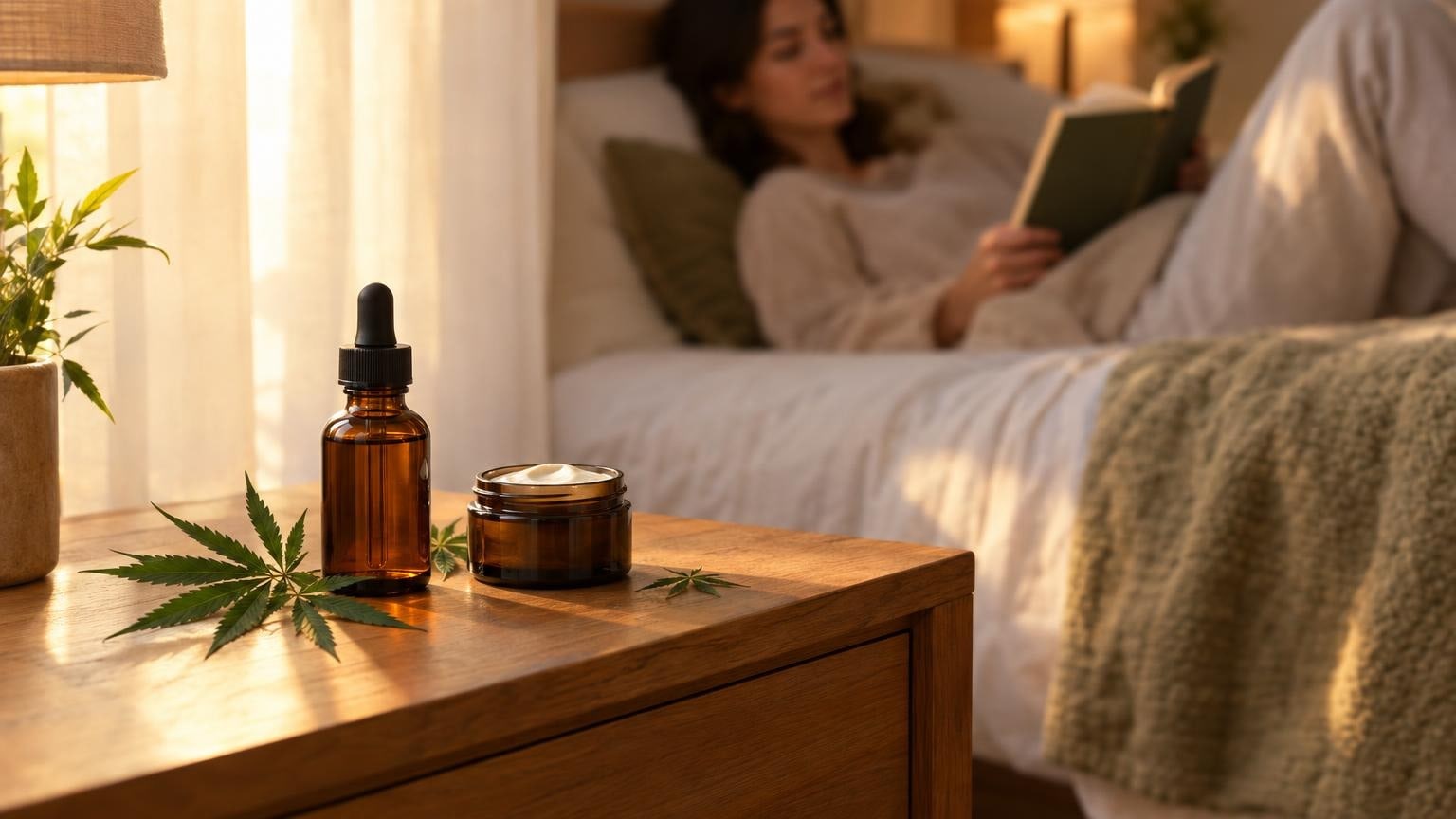
Main takeaway: Use a morning 1:1 CBD to CBG tincture to lower systemic inflammation and a CBG rich topical in the evening for fast, focal muscle relief. Start low and test a 1:1 ratio then move toward a 2:1 CBD to CBG balance if you need greater broad anti inflammatory support. Consider gummies for discreet oral dosing and think about full spectrum vs broad spectrum when choosing product profiles and entourage effects.
| Effect | CBD | CBG | Combined synergy |
|---|---|---|---|
| Pain relief | Modulates pain signaling and reduces sensitivity | Targets nociceptive channels and reduces local pain | Broader analgesia and faster perceived relief |
| Anti inflammation | Lowers inflammatory cytokines systemically | Modulates local inflammatory pathways | Faster tissue recovery and lower inflammation baseline |
| Muscle relaxation | Calms overactive signaling and tension | Eases cramps via sensory neuron action | Improved relaxation and less stiffness |
| Nervous modulation | Indirect CB1 and CB2 modulation | Direct sensory neuron interaction | Balanced nervous response and targeted relief |
| Onset and application | Sublingual tincture onset 15 to 45 minutes; gummies onset 30 to 120 minutes; best for systemic baseline | Topical transdermal onset 15 to 45 minutes for local effect; patches onset 30 to 60 minutes for sustained delivery; best for focal relief | Morning 1:1 tincture for baseline and evening CBG topical transdermal reset; topical acts fastest while oral products take 15 to 120 minutes |
| Delivery | Internal such as tinctures and gummies | External topical and transdermal formulas | Pair systemic baseline and targeted topical |
| Research maturity | Larger CBD clinical literature | Emerging preclinical and clinical CBG data | Early evidence promising, more trials needed |
Practical three step routine to test synergy over two weeks. Track pain, sleep, and soreness daily to evaluate changes and adjust dosing.
- Start morning 1:1 tincture: Take a low sublingual dose such as 10 to 25 mg CBD matched with equivalent CBG after a light meal. Wait 30 to 90 minutes to observe systemic effects before training.
- Apply CBG topical in the evening: Rub a CBG forward topical onto sore muscles after shower or ice massage for faster focal relief. Expect localized improvements within 15 to 45 minutes and repeat nightly as needed.
- Track and adjust for two weeks: Log perceived soreness, range of motion, and sleep quality then shift ratio to 2:1 CBD to CBG if systemic inflammation remains. Consult a healthcare provider about medications and choose lab tested products.
Sources: CBD pain systematic review, Onset times guide for CBD delivery methods, Full spectrum versus broad spectrum overview.
What research says about CBD-CBG synergy for recovery
A randomized, double-blind pilot trial tested a CBD and CBG beverage for delayed onset muscle soreness. The formula included 35 mg CBD, 50 mg CBG, beta-caryophyllene, and BCAAs, and forty trained participants completed the study. Results showed reduced DOMS interference with daily tasks, suggesting improved functional recovery here.
A systematic review examined cannabis-based medicines and pain. Authors discussed potential synergy among cannabinoids and terpenes and concluded full-spectrum products may improve efficacy and tolerability here. However, they called for larger clinical trials to confirm benefits.
Together these studies show promising recovery benefits from mixed cannabinoid formulas. Therefore CBD-CBG synergy for recovery may offer broader anti-inflammation and pain relief by engaging cannabinoid receptors and terpenes. However clinical evidence remains limited, so more trials are needed and healthcare consultation is advised. Practically, athletes may pair a morning CBD/CBG tincture with an evening topical for better results.
Conclusion
CBD-CBG synergy for recovery blends CBD’s regulatory, anti-inflammatory action with CBG’s specialist nervous-system effects. Together they support systemic balance and targeted relief after workouts. Therefore, mixed formulas can offer broader pain relief and faster tissue recovery.
Key recovery benefits include pain relief, reduced inflammation, muscle relaxation, and improved sleep. Because each cannabinoid hits different pathways, combined use may work better than either alone. Also, choose lab-tested products and sensible CBD:CBG ratios like 1:1 or 2:1. Consult your healthcare provider about interactions and dosing before starting a routine.
Start small, track effects, and adapt your routine over weeks for consistent improvement. Informed choices help athletes and everyday users use cannabinoids safely and effectively. Learn product selection tips and lab-testing guidance at My CBD Advisor.
Related on CBD Advisor
- How CBD & THC Energy Bites Recipe Boost Focus
- CBD vs CBN for sleep: Which works best
- Why Medicare coverage for hemp-derived CBD products matters now