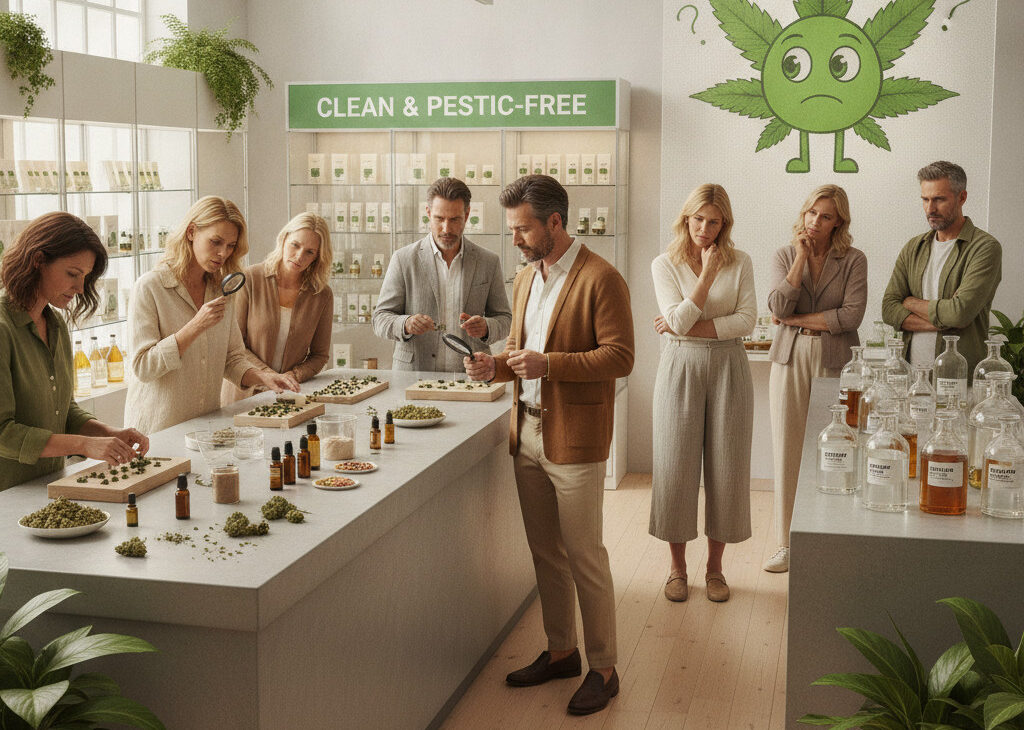
Choosing Clean Cannabis Over High THC
Clean cannabis over high THC (pesticide concerns) is now a top buying rule for many consumers. Because pesticides can harm health, shoppers choose cleaner products over raw potency. Recent polling shows worries about pesticide residues far outpacing pure THC obsession. However, potency-first marketing still floods shelves and advertising.
This article will explain why consumers trade higher THC for cleaner cannabis. Moreover, we will review recent Harris Poll data, explore pesticide testing and labeling, and offer tips to spot safer products. That matters because your health and wallet depend on product safety as much as on buzz. Therefore, knowing how to read testing labels and find transparency can change your purchases.
We break down pesticide testing, transparency gaps, and what labels really mean. Finally, we give simple shopping tips for safer strains, seed banks, and home grow choices. Read on to learn practical steps to choose clean cannabis and avoid pesticide risks.
Why Clean cannabis over high THC (pesticide concerns) matters
Consumers choose clean cannabis over high THC because pesticides pose real health risks. Recent surveys show strong consumer fear of pesticide residues. For example, a Harris Poll found 72 percent of cannabis consumers are very concerned about pesticides. This concern outweighs pure potency for many shoppers.
How pesticides enter the supply chain
- Poorly labeled or illicit products often contain banned pesticides. For example, a Journal of Cannabis Research study found high pesticide levels in illicit samples compared to licensed ones. See the study at this link for details.
- Cross contamination can occur during storage and processing. Therefore, strict cultivation hygiene matters.
- Some growers use off label pesticides because they reduce pests quickly. However, these chemicals can remain in the flower and extracts.
Health and safety risks consumers should know
- Inhalation concentrates pesticide exposure, so smoking or vaping contaminated cannabis increases risk. For example, toxicants can transfer into smoke, according to a review at this link.
- Vulnerable users include medical patients, older adults, and those with respiratory issues. Thus, pesticide residues are more than a regulatory issue.
- Acute and chronic effects range from irritation to endocrine disruption with long term exposure.
Regulation, testing, and what consumers can look for
- States like California publish lists of approved pesticide products and guidance. See California Department of Pesticide Regulation at this link.
- Look for lab tested certificates of analysis, clear pesticide panels, and accredited lab names.
- Prefer licensed retailers and regulated markets, because licensed products show lower pesticide rates in studies.
Prioritizing clean cannabis over high THC protects health, increases transparency, and reduces long term risks. Therefore, choose products with clear testing and avoid potency alone when shopping.
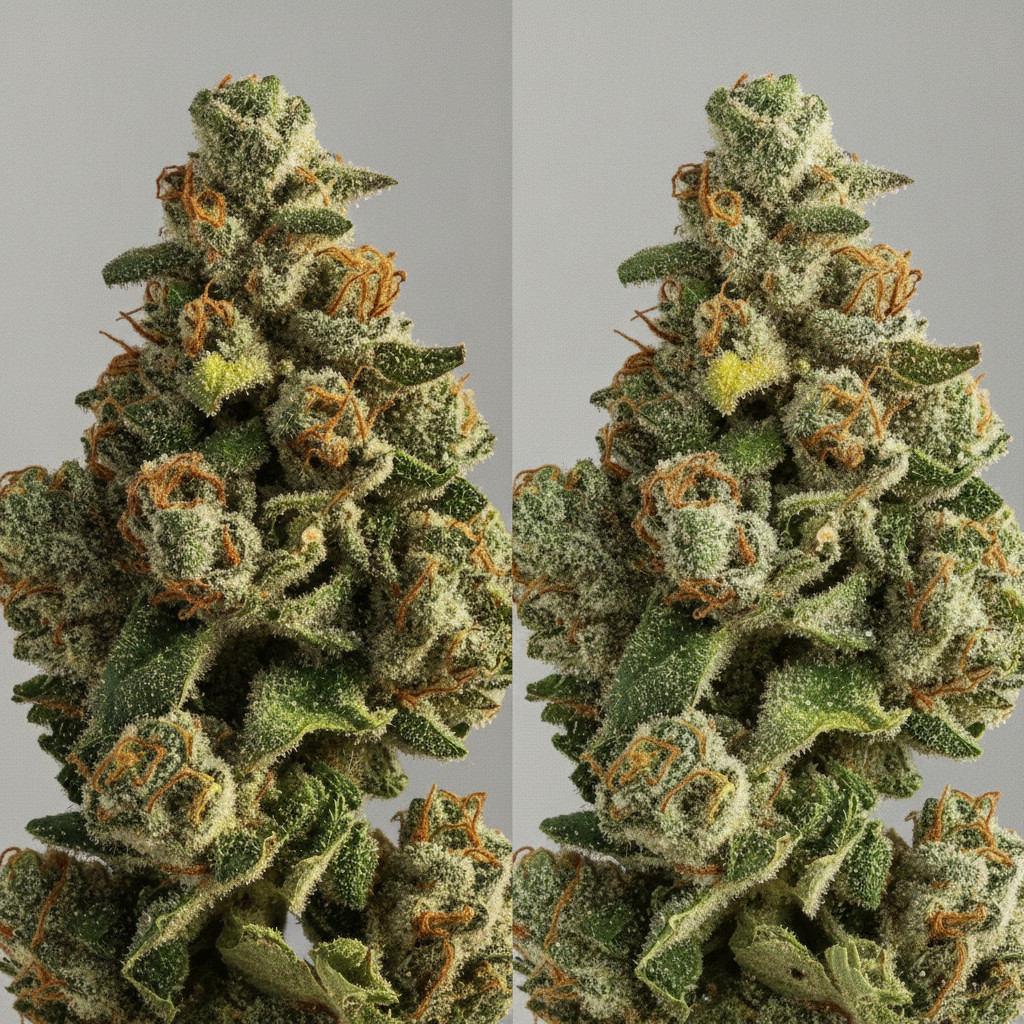
Health impacts: Clean cannabis over high THC (pesticide concerns)
Pesticide residues in cannabis can harm users. Therefore, choosing clean cannabis over high THC reduces health risk. Inhalation and vaping concentrate contaminants, so exposure matters more than potency alone.
Key health risks
- Acute irritation and respiratory symptoms. For example, residues can cause cough and throat irritation.
- Neurological and endocrine effects with long term exposure. Thus, chronic risks can be serious for some users.
- Greater risk for vulnerable people. In particular, medical patients and older adults face higher danger.
Evidence from peer reviewed studies
- Sullivan et al. found that “recoveries of residues were as high as 69.5%” in smoke condensate, which shows pesticides transfer into inhaled smoke. See the study at this study.
- A review of analytical and toxicological work noted that “standardized testing methods are needed” to protect consumers. Read more at this review.
- Pinkhasova and colleagues documented “significant variations in pesticide testing requirements” across states, and they warned this creates risks for medical patients. See the paper at this paper.
Why clean cannabis is the safer choice
- Inhalation concentrates exposure, and therefore pesticides on flower can turn into inhaled toxicants. Consequently, even lower THC with no pesticides may be safer.
- Extracts and concentrates can magnify residue levels. Therefore, avoid products lacking clear pesticide panels and certificates of analysis.
- Regulated, lab tested flower typically shows fewer contaminants. As a result, prioritize products with accredited lab reports.
Practical steps for consumers
- Ask for a certificate of analysis and check the pesticide panel.
- Buy from licensed retailers in regulated markets whenever possible.
- Consider home grow only if you can follow safe pesticide and IPM practices.
Choosing clean cannabis over high THC protects health now and over time. Therefore, safety should matter more than raw potency when you shop.
Clean cannabis over high THC (pesticide concerns) Regulations comparison
Below is a concise table comparing pesticide rules and safety standards in regulated markets. Use it to spot where labs, labels, and consumer protections differ.
| Jurisdiction | Allowable pesticides and notes | Testing requirements | Consumer protections and enforcement | Official resource |
|---|---|---|---|---|
| California | Limited list of pesticide products screened by DPR. Some common ag products excluded. | Mandatory lab testing for specified pesticides, residuals reported on COA. | Strong recall powers, strict licensing, retail traceability. | Official resource |
| Colorado | Pesticides must match label use and be exempt from tolerance or explicitly allowed under state rules. | State rules reference label compliance; licensed labs perform panels per regulations. | Worker protection, registration, and enforcement via Colorado Code of Regulations. | Official resource |
| Oregon | Oregon Department of Agriculture publishes an approved product guide for cannabis. | Required pesticide testing with defined analytes and limits of quantification. | Grower guidance, ODA oversight, and marketplace compliance checks. | Official resource |
| Canada (federal) | Health Canada lists pesticide active ingredients that require testing. Many inputs are restricted. | Mandatory testing for listed pesticide actives with limits of quantification. | Federal licensing, lot testing, mandatory COAs, and enforcement under the Cannabis Act. | Official resource |
Note: Rules still vary. Therefore, consumers should favor products with clear certificates of analysis and accredited lab names. Prioritize clean cannabis over high THC when safety data is incomplete.
Conclusion: Why clean cannabis matters more than raw potency
Choosing clean cannabis over high THC (pesticide concerns) protects your health. Recent data shows consumers favor safety over sheer potency. Therefore, buyers should look past bold THC labels and demand tested, transparent products.
MyCBDAdvisor exists to help you make smart decisions about cannabinoids and safety. We analyze studies and translate testing guidance into clear tips. Visit MyCBDAdvisor to read guides and checklists for safer shopping. Finally, prioritize clean cannabis when you buy. Your lungs, long term health, and peace of mind matter more than a marginal increase in THC.
FAQs: Clean cannabis over high THC (pesticide concerns)
What is the main reason to choose clean cannabis over high THC products?
Choosing clean cannabis reduces exposure to harmful pesticide residues. Inhalation concentrates contaminants, so safety matters more than potency. Therefore, even lower THC without pesticides can be safer for lungs and long term health.
How can I confirm a cannabis product is free from pesticides?
Look for a certificate of analysis with a full pesticide panel. Prefer reports from accredited third party labs. Also check limits of quantification and the lab name. If a COA is missing, do not assume the product is clean.
Are lab tests always reliable for pesticide testing?
Not always. Testing standards and methods vary by state and lab. For example, reviews call for standardized testing protocols to protect consumers. See one review at this link for more detail. Consequently, ask retailers about lab accreditation.
Do pesticides transfer into smoke or vapor when cannabis is used?
Yes. Studies show pesticides can transfer into smoke condensate. For instance, research found significant residue recovery in smoke, which raises inhalation risks. Read the study at this link. As a result, minimizing residues matters for anyone who inhales cannabis.
Is home grow a safer alternative to buying high THC products?
Home grow can be safer if you follow best practices and avoid banned pesticides. However, many growers lack testing access. Moreover, state rules differ, and testing gaps remain. Research shows variations in pesticide requirements across jurisdictions. See this link for more on regulatory gaps. Therefore, only consider home grow if you can follow integrated pest management and test your harvest.
Bottom line: Choose clean cannabis over high THC when pesticide concerns exist. Prioritize transparency, COAs, and accredited labs. That approach protects health and improves long term peace of mind.