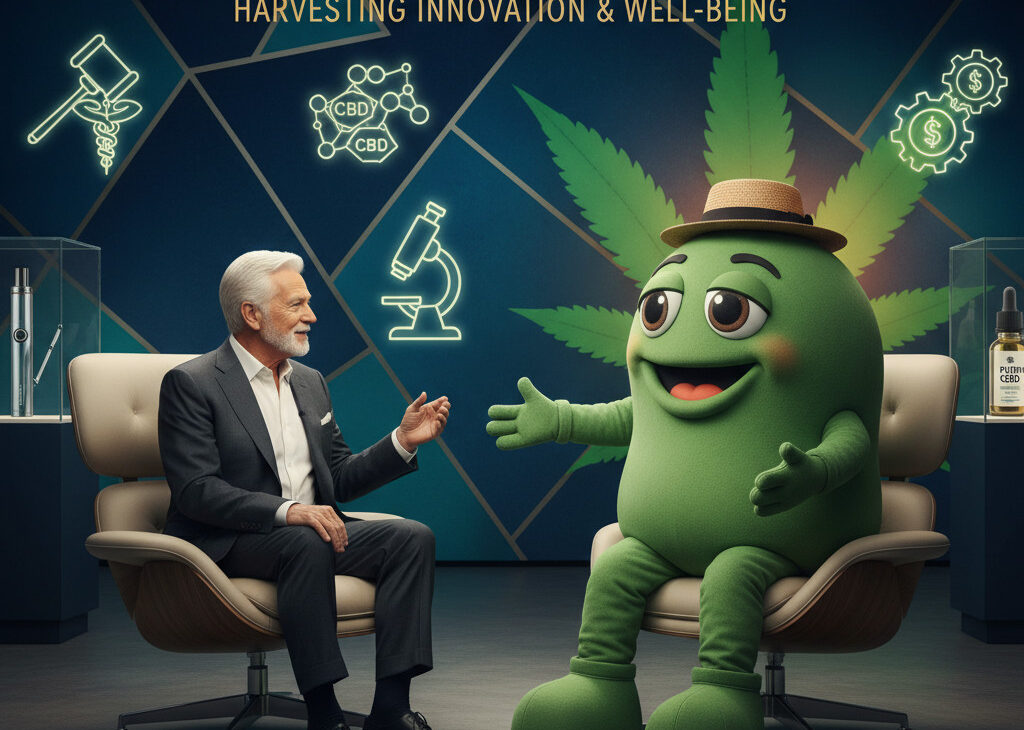
Jim Belushi interview: weed, films, and the cannabis industry challenges
A candid look at Belushi’s life between set and soil
In this Jim Belushi interview: weed, films, and the cannabis industry challenges, Belushi blends memoir with hard facts. He moved to Oregon and launched Belushi’s Farm in 2015, and he now sells in twenty states. However, he says regulation and price compression forced him to stop cultivating in Oregon. As a result, he doubled his business by shifting strategies and focusing on licensed markets.
Belushi mixes stories of film sets with farming details. He discusses The Chronology of Water and Song Sung Blue while naming strains like Big Sur Holy Weed and The Sage. Moreover, he explains how taxes, hemp bans, and rescheduling debates affect CBD research and veteran access.
Why this interview matters
This conversation matters because it connects pop culture with policy. Also, it shows how rescheduling and regulation influence real businesses. Finally, it gives readers insight into the ties between cannabis, creative work, and industry challenges today.

Image source: https://mycbdadvisor.com/wp-content/uploads/2026/03/img-belushi_cannabis_entertainment_scene.jpg
Jim Belushi interview: weed, films, and the cannabis industry challenges — film career and advocacy
Jim Belushi has built a twofold public life. First, he earned acclaim on stage and screen, and then he turned to cannabis farming and advocacy. He plays roles in recent films The Chronology of Water and Song Sung Blue, and continues a long career that includes Blues Brothers work and dramatic parts. Moreover, his entertainment profile helps him spotlight industry issues.
Belushi launched Belushi’s Farm in 2015 and now holds licenses to sell in twenty states. He uses the farm’s genetics to develop strains like Big Sur Holy Weed and The Sage. However, he says market forces and regulation pushed him out of cultivating in Oregon. Therefore, he focused on licensed markets and hemp-derived beverages like Highbridge.
His film work and cannabis advocacy intersect several ways. He brings celebrity reach to rescheduling debates, and he frames taxation and regulation as barriers to research and veterans’ access. Also, he uses storytelling skills to explain complex policy to broad audiences.
Highlights
- Key films: Blues Brothers franchise, The Chronology of Water, Song Sung Blue, One Flew Over the Cuckoo’s Nest associations.
- Cannabis milestones: launched Belushi’s Farm here, licensed in 20 states, popular strains Big Sur Holy Weed and The Sage, sales of Highbridge hemp beverages.
- Advocacy notes: calls for rescheduling to aid CBD research; critique of heavy taxation and price compression; public interviews and profiles here, here.
Together, his screen legacy and farm work create a unique platform. As a result, Belushi shapes public talk about cannabis policy and culture.
Quick comparison of Jim Belushi’s cannabis projects and film roles
The table below summarizes Belushi’s dual work in cannabis and film. It highlights roles, years, and impacts. Read it to see how culture and commerce connect.
| Project Name | Role | Year | Impact |
|---|---|---|---|
| Belushi’s Farm | Founder and operator | 2015–present | Built a licensed brand; developed Big Sur Holy Weed and The Sage; licensed in 20 states; pivoted away from Oregon cultivation due to price compression and regulation |
| Highbridge hemp beverages | Producer and distributor | 2020s | Continued sales of hemp drinks; maintained market presence while navigating hemp bans and CBD rules |
| The Chronology of Water | Actor | 2020s | Uses film visibility to bring attention to cannabis policy and rescheduling debates |
| Song Sung Blue | Actor (Tom, booker and manager) | 2020s | Blends storytelling with counterculture themes; raises public awareness about industry challenges |
| Public advocacy and interviews | Advocate and spokesperson | 2010s–2020s | Calls for rescheduling to aid research and veterans; criticizes heavy taxation and market pressures |
Jim Belushi interview: weed, films, and the cannabis industry challenges — legal and regulatory hurdles
Jim Belushi faces complex legal barriers as he moves from stage to soil. He launched Belushi’s Farm in Oregon in 2015 and now sells to twenty states. However, federal scheduling and patchwork state rules limit research and banking access. Because of this, growers face high compliance costs and limited banking services. Belushi has said Oregon became unprofitable to cultivate, and he stopped growing there. For details on his farm and strains see Belushi’s Farm. Moreover, hemp bans and unclear CBD rules complicate product lines like his Highbridge beverages.
Jim Belushi interview: weed, films, and the cannabis industry challenges — market and business pressures
Market pressures also hit Belushi hard. Price compression pushed retail prices so low that cultivation lost value. He notes heavy taxes add strain; Illinois taxes reached large sums last year, and Belushi calls tax burdens overbearing. Therefore he pivoted to licensed markets and doubled business by changing strategy. Also, licensing quality varies by state, and Michigan licensing ranks low in some reports. Finally, social stigma and complex federal policy slow rescheduling and research that could help veterans. For more context read his profile and interviews at Weed World Magazine and his film credits at IMDb.
CONCLUSION
Jim Belushi’s story links creative work with real industry stakes. He shows how films, farming, and policy intersect. Because he moved from stage to soil, his experiences highlight regulation, taxes, and market forces.
Overall, Belushi’s path underscores two truths. First, celebrity can raise attention to rescheduling and research. Second, entrepreneurs still face legal and financial barriers. Therefore policymakers, veterans, and researchers need clearer rules. Finally, readers should watch how rescheduling affects CBD research, veteran access, and industry stability.
This article uses interviews, industry data, and public statements to inform readers. As a result, we prioritize clarity and evidence. We will monitor policy shifts that affect growers and creators alike. Stay informed, and support evidence-based changes that help patients and small businesses.
Frequently Asked Questions: Jim Belushi, cannabis policy, and industry challenges
What exactly does Jim Belushi do in the cannabis world?
He founded Belushi’s Farm, develops strains, and distributes hemp beverages in multiple licensed states.
How does his film career connect to cannabis advocacy?
His acting platform helps him highlight policy, veteran access, and science issues to broad audiences.
Why did he stop cultivating in Oregon?
Rising compliance costs and price compression made cultivation unprofitable, so he moved to licensed markets.
Is Belushi pushing for rescheduling or research changes?
Yes. He supports federal reform to enable clinical CBD studies, improve banking, and expand veteran access.
What should readers watch for next?
Follow federal rescheduling debates, state tax changes, and hemp rulemaking that will shape research and small growers.
What policy changes could help cannabis research?
Reclassifying cannabis or creating research exemptions would lower barriers to clinical trials. More NIH and VA funding, plus clearer FDA testing guidelines, would accelerate evidence based studies.
How does federal scheduling affect banking for cannabis businesses?
Federal scheduling keeps many banks from serving cannabis firms, limiting accounts and loans. Banking reform such as the SAFE Banking Act or clear regulator guidance would widen financial access and reduce cash risk.
What is Belushi’s stance on hemp versus cannabis regulation?
He advocates clear, sensible distinctions between low THC hemp and higher THC cannabis. Standardized CBD rules and fair cannabis policy would protect consumers, enable research, and help veterans.