Introduction
Legacy to legal cannabis culture charts a dramatic shift in how Americans view and use the plant. Decades of underground trade shaped today’s craft, and communities still claim cannabis as culture.
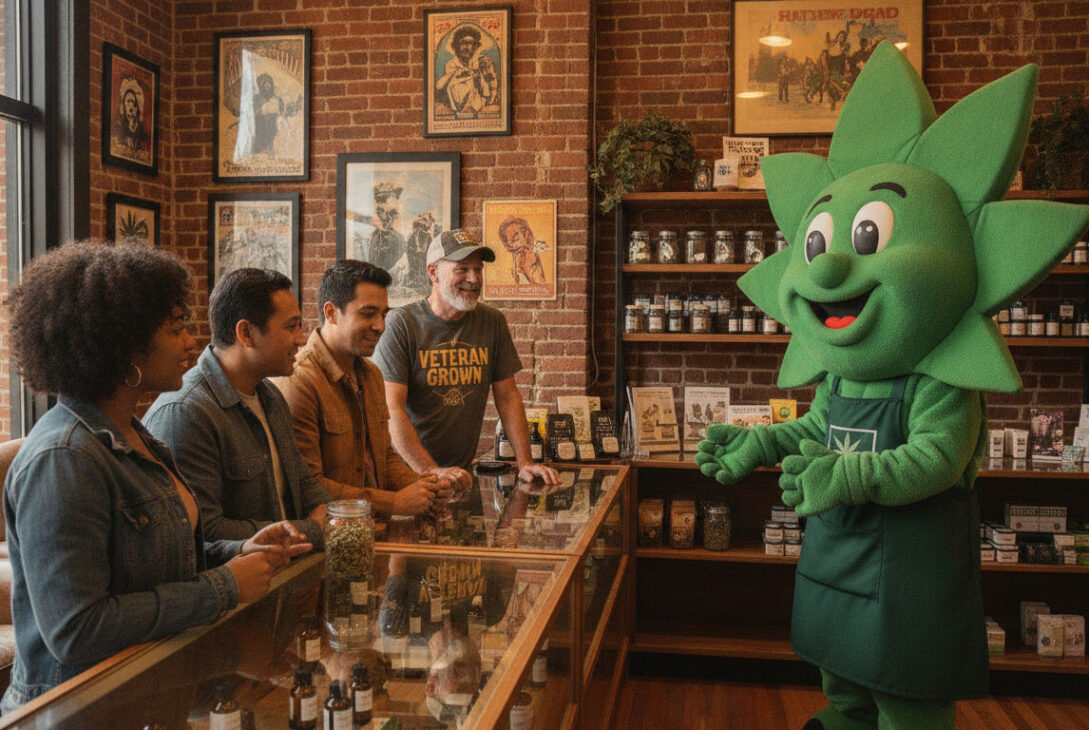
We highlight grounded examples like the Scarlet Reserve Room and owner Wil Rivera, whose small-batch curation shows one path to balance craft with compliance. Their story illustrates how growers and retailers translate oral knowledge into licensed operations.
Across town halls and statehouses, stigma eased as medical and adult use laws spread. How do trust and taste survive in licensed markets?
What is legacy to legal cannabis culture
Legacy to legal cannabis culture is the shift from underground practices to regulated, community-rooted cannabis markets.
- Communities shifted from seed sharing and rituals to visible craft cultivation and licensed shops.
- Licensing and capital pressures forced legacy operators to formalize or exit.
- Consumers benefit when provenance, safety, and local trust guide purchases.
Sources:
Historical Legacy of Cannabis Culture
Early roots of legacy to legal cannabis culture
Cannabis in the United States has deep and varied roots. The plant appeared in early pharmacopeias and immigrant traditions, shaping local remedies and rituals. Prohibition in the 20th century pushed most activity underground, forming tight-knit networks of growers, patients, and enthusiasts who passed knowledge orally.
Key events in legacy to legal cannabis culture
- 1850s inclusion in the U.S. Pharmacopoeia set early medical use and legitimacy, however later federal actions reversed that trend.
- 1937 Marihuana Tax Act criminalized recreational use and began national prohibition.
- 1970 Controlled Substances Act placed cannabis in Schedule I, increasing penalties and stigma.
- 1996 California medical-marijuana initiative sparked the modern patient movement and paved the way for state-level reforms.
- 2012 Colorado and Washington adult-use legalization marked a tipping point toward broad regulatory markets.
These legal milestones reshaped who could speak for cannabis and how markets formed. Cultural institutions like High Times and local gatherings kept craft knowledge alive. Grassroots activism, patient advocacy, and changing public opinion gradually undermined strict prohibition (NCBI Source). For broader context on the drug war and policy shifts, consult the drug war timeline.
Social and cultural drivers also shaped acceptance. Music scenes, counterculture movements, and shared social rituals normalized cannabis consumption.
Enforcement and Impact
Enforcement in communities of color produced deep harms and lasting criminal records. Heavy policing and arrests for low-level possession left many people of color with criminal records that limit job and housing opportunities. These records often persist after legalization and create barriers to economic and social mobility. The legacy side of cannabis culture carries both celebration and trauma.

Evolution to Legal Cannabis Culture
Market and policy consequences
As legalization opened regulated channels, commercial forces quickly reshaped supply chains and retail. Investment capital and professional operators scaled production, pushing product standardization and wider distribution while squeezing small craft growers. Consumers gained more consistent testing and storefront choice, yet price competition and consolidation narrowed some local offerings.
Regulators responded with complex regulatory frameworks, licensing and testing requirements, and tax policies that raised compliance costs for operators and created barriers for legacy businesses. Social equity efforts attempted to rebalance harms from prohibition, though uneven implementation left gaps in access and ownership. Policymakers tracking state rules can consult NCSL state medical cannabis laws. For data on public support that helped drive policy change, consult Pew Research polling on legalization.
Top market impacts
- Jobs and taxed revenue generated new public funding and employment opportunities.
- Capital influx and MSO expansion increased scale but concentrated ownership.
- Compliance and testing infrastructure raised safety standards and operational costs.
Timeline of Cannabis Legalization Milestones
| Year | Event | Impact | Legal Status |
|---|---|---|---|
| 1850s | Cannabis listed in U.S. Pharmacopeia | Recognized medical uses and common remedies | Legal medicinal use |
| 1937 | Marihuana Tax Act | National prohibition grew; activity pushed underground | Effectively illegal |
| 1970 | Controlled Substances Act | Cannabis classified Schedule I; harsher penalties and enforcement | Illegal federally |
| 1996 | California Prop 215 (medical) | Sparked patient movement and state-level reform | Legal medical use in some states |
| 2012 | Colorado and Washington adult-use laws | Created regulated retail markets and tax revenue | Legal in those states |
| 2018 | Farm Bill legalized hemp | Opened hemp markets and CBD industry | Hemp legal federally if <0.3% THC |
| 2012-2026 | State legalization wave and social equity efforts | Expanded adult-use markets; raised licensing and equity debates | Varied by state |
| Today | Legacy culture meets regulated markets | Community dispensaries preserve craft and trust amid corporate growth | Mixed legal landscape by state |
This table tracks key shifts from legacy to legal cannabis culture. For more on cultivation and genetics in local markets, see this resource on cannabis cultivation.
CONCLUSION
The shift from legacy to legal cannabis culture traces a deep cultural and economic transformation. Because underground growers and patients kept knowledge alive, modern legalization rests on those roots. Therefore the move to legal markets changed how people produce, sell, and celebrate cannabis.
Legalization opened jobs, tax revenue, and public research, but it also invited corporate consolidation. However community-driven dispensaries preserve craft, trust, and local relationships. For example, the Scarlet Reserve Room shows how legacy operators adapt to licensing while keeping culture intact.
Looking ahead, policy choices will determine whether culture or commerce leads. If regulators prioritize equity and support craft operators, the industry can innovate responsibly. In short, understanding the legacy to legal cannabis culture matters for consumers, lawmakers, and businesses. Together, we can ensure the plant’s social and economic benefits reach communities most harmed by prohibition. Stay informed, support authentic spaces, and help shape a fair future.
Frequently Asked Questions (FAQs)
What is legacy to legal cannabis culture?
Legacy to legal cannabis culture means the shift from underground, community-driven cannabis practices to regulated, licensed markets. It describes how growers, consumers, and social rituals adapt under new laws. Therefore it highlights the need to preserve craft, trust, and shared knowledge even as businesses professionalize.
How did legacy operators adapt to legalization?
Many legacy operators pursued licenses and compliance, however they often faced steep hurdles. Because licensing can favor large operators, small growers struggled with capital and paperwork. As a result, community dispensaries and local partnerships formed to keep culture alive while meeting rules.
Why does preserving cannabis culture matter after legalization?
Cannabis culture contains practical knowledge about strains, effects, and craft growing. Moreover it builds trust between staff and customers in a retail setting. Therefore preserving that culture helps maintain quality, diversity, and consumer safety.
Can legacy growers compete in the legal market?
Yes, but competition is tough. Legacy growers frequently lack funding, regulatory experience, and corporate networks. However social equity programs and cooperative business models offer viable paths. Consequently some legacy businesses succeed by emphasizing craft and local trust.
How can consumers support legacy to legal cannabis culture?
Buy from community-driven dispensaries and prioritize craft over marketing hype. Ask questions about provenance and effects, because honest conversations protect culture. Also back policies that fund equity, genetics banking, and small grower access to licensing.
Related on CBD Advisor
- Why Thai cannabis landrace preservation matters today
- What drives the New York cannabis market today
- How Does Luxury cannabis branding Redefine Aroma