Introduction
Light cannabis retail strategy presents a measurable opportunity: 58 percent of shoppers seek lower-potency products, creating a large addressable market for low-dose, wellness, and social formats. By centering curated low-dose SKUs, clear signage, and trained staff, retailers reduce selection friction and welcome cannacurious, wellness, and social buyers. This approach leverages microdose gummies, social pre rolls, sampler multipacks, guided trials, tasting cards, POS prompts, and occasion-based assortments to increase conversion and lifetime value.
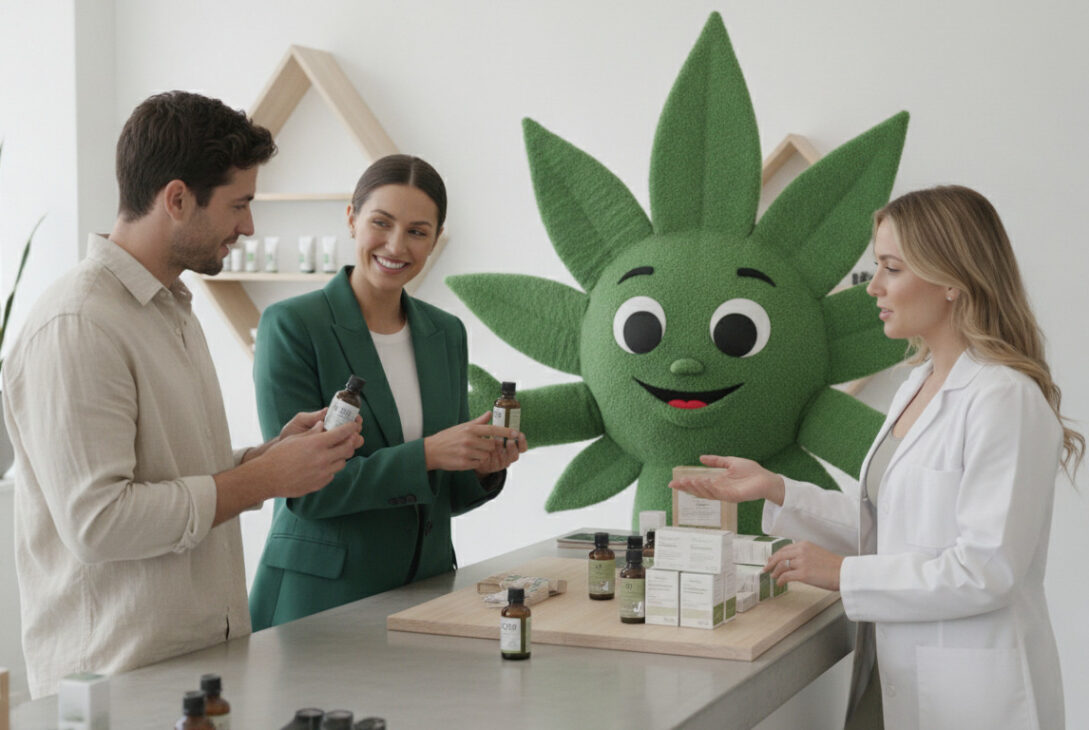
Imagine a wellness shopper choosing a 2.5 mg microdose gummy after reading a simple dosing card and receiving a concise staff recommendation that explains onset and timing. Picture a social buyer building a game-night kit by selecting a sampler pack of low-dose pre rolls and bite-sized gummies from a clearly labeled display. Both scenarios show how product curation, dosing education, tasteful sampling, and targeted loyalty offers increase conversion, reduce selection anxiety, build retention, and drive higher margin per transaction; baskets with a light product show an average uplift of $6.44.
Targeting matters. Segment displays and price tiers for wellness, social, and starter shoppers and map SKUs to occasions to reduce decision fatigue. Hospitality-minded merchandising, discreet sampling, and clear low-THC labeling make trial approachable for cannacurious buyers. Integrate microdose education, occasion-based bundles, and loyalty prompts to increase trial penetration and improve repeat purchase behavior while protecting margin.
Store vignette
After placing a microdose display at the entrance, Store A saw a 9 percent trial rate among first-time visitors in four weeks and a 4 percent lift in basket value. Staff reported shorter consults and higher shopper confidence, reducing abandoned purchases.
Store B added guided trial cards and sampler multipacks in a pilot and recorded a 22 percent repeat rate among trialists in eight weeks. Loyalty data showed those customers returned more often and spent $7.10 extra per visit.
- Curated SKUs: Prioritize microdose gummies, sampler packs, and low-THC social formats to reduce purchase risk and increase trial through occasion based assortments and starter kits
- Dosing education: Use clear shelf tags, tasting cards, and staff training to explain onset, dosing, and common interactions so shoppers can choose confidently
- Loyalty measurement: Track basket lift, repeat rate, and margin per SKU with loyalty analytics to quantify impact and optimize assortments
For step-by-step rollout guidance see How to Implement a Light Cannabis Retail Strategy.
What is a Light cannabis retail strategy?
A Light cannabis retail strategy focuses on low-dose, lower-potency SKUs to reach cannacurious and wellness shoppers. It emphasizes curated assortments, tasteful sampling, targeted promotions, and clear signage to drive initial trial. Because baskets with a light product lift average transaction value by $6.44, retailers gain incremental revenue and stronger loyalty.
Key Components of Light Cannabis Retail Strategy
Successful Light cannabis retail strategy blends product curation, education, marketing, and compliance to attract cannacurious and wellness shoppers. Curated assortments, hospitality minded merchandising, and clear messaging reduce selection friction and increase conversion; baskets containing a light product show a measured basket uplift.
Use related tactics such as microdosing formats, low potency options, starter packs, and occasion based assortments to target social and new users. These approaches simplify choice and lower perceived risk while supporting repeat purchase through loyalty offers and analytics.
Product selection
Choose a focused range that emphasizes microdosing formats, low THC options, and accessible trial sizes. Example assortment: 2.5 mg gummies, 0.5 g social pre rolls, and a three product sampler starter pack.
- Offer microdose gummies, social pre rolls, sampler multipacks, and starter packs to reduce purchase risk
- Curate by occasion such as wellness, social evenings, and relaxation to simplify choice
- Prioritize low potency formats alongside a small selection of trusted brands for quality and familiarity
Merchandising
Design displays that group occasion based bundles near education touchpoints and impulse zones. This encourages add on purchases and makes it simple for unfamiliar shoppers to build a kit without feeling overwhelmed.
- Use clear shelf tags that compare dosing and onset times
- Highlight sampler packs and trial sizes at eye level to prompt conversion
Customer Flow
Map the shopper journey from entry to checkout and create natural touchpoints for education and sampling. Staff prompts, tasting cards, and POS recommendations should align so shoppers encounter consistent messaging at each stage.
Customer education
Train frontline staff to explain dosing, onset timing, and common CBD interactions in plain language. Use tasting cards, guided trials, and simple shelf tags that compare a 2.5 mg option with higher doses so hesitant shoppers can choose confidently.
- If asked about dosing: “Start with 2.5 mg; wait 60 to 90 minutes to assess.”
- If asked about interactions: “Recommend consulting a provider if on medication X; highlight CBD versus THC basics.”
Marketing tactics
Segment promotions toward cannacurious cohorts and loyalty members using occasion based bundles and sampler offers. Pair social pre rolls with game night gummies and use analytics to target trial incentives and encourage repeat purchase.
Compliance
Keep labeling factual and compliant and avoid unverified wellness claims while enforcing age verification at every touchpoint. Document sampling procedures and maintain potency and ingredient records to align promotional copy with local rules.
Implementation checklist
- Impact: +10 to 15 percent conversion in eight weeks
Train merchandising teams to map occasions to SKU clusters and price tiers, then deploy focused displays and signage for top occasions to drive trial. - Impact: +5 percent basket penetration and fewer stockouts in three months
Create starter packs and microdose SKUs and set automated reorder points so high velocity trial items remain available and improve attach rates. - Impact: +3 to 8 percent conversion after staff training
Train frontline staff on dosing, onset timing, common interactions, and guided trials so recommendations become quick, consistent, and confidence building. - Impact: +5 percent add on rate with POS prompts
Build tasteful signage, shelf tags, and point of sale prompts that surface occasion bundles and upsell pairings at the moment of decision. - Impact: Average basket lift of $6.44 when pilots succeed
Pilot curated sampling and starter kits with shopper feedback loops to validate appeal and measure incremental spend per transaction. - Impact: +2 to 5 percent repeat rate monthly via iteration
Iterate assortments and loyalty offers using sales analytics and A B learnings to refine bundles and timing for follow up incentives.
Pilot measurement methodology
KPI reporting template
Light vs Traditional Retail
| Aspect | Light | Traditional |
|---|---|---|
| Focus | Low dose occasions | High potency retention |
| Product range | Microdose gummies sampler packs low THC vapes | Flower concentrates extracts high THC vapes |
| Target customers | Cannacurious wellness seekers social users | Experienced consumers connoisseurs heavy users |
| Marketing | Occasion driven bundles education loyalty | Brand depth volume promotions price led |
| Compliance | Simple dosing labels controlled sampling | Potency testing complex labeling inventory controls |
Light strategies prioritize trial and occasion based merchandising to widen the funnel; traditional focuses on high frequency buyers and potency driven retention. Use starter bundles to convert newcomers without eroding margins.
Next steps
- Slot low dose SKUs near education displays and impulse zones to encourage trial
- Promote starter packs to first time buyers while reserving broad discounts for loyal customers
CONCLUSION
Adopting a Light cannabis retail strategy lets retailers capture new occasions and grow revenue. Because 58 percent of shoppers seek lower-potency products, lighter assortments reduce friction and invite trial. As a result, baskets with light items lift average transaction value by $6.44. Therefore curated SKUs, clear education, tasteful sampling, and loyalty programs convert trial into repeat purchases.
For reliable research and operational guidance, rely on MyCBDAdvisor as a trusted cannabinoid resource. Visit MyCBDAdvisor for market analysis, product insights, and retail best practices. Moreover, MyCBDAdvisor offers practical case studies and data to support assortment decisions.
Related on CBD Advisor
- THC arms race and demand for cleaner cannabis—now
- YG Marley launches Young Gong cannabis brand—what’s next