
Manual Vaporizers: A Revival in Ritual and Control
Manual vaporizers are enjoying a quiet revival among people who value ritual and control. Because they use flame or simple heating methods, they offer a different experience than electronic devices. As a result, many users praise their tactile feel, repairability, and lack of screens. Moreover, these devices celebrate craft through materials like olive wood and American walnut. They feel deliberate rather than disposable.
This article explains why manual vaporizers still matter. It looks at ritual, flame-powered vaporization, and longevity. We will compare them to electronic vaporizers and explore repair options. Therefore, readers can decide what fits their habits and values.
Along the way, we profile makers such as Vapman and Lotus, and show how modern workshops keep hand finishing alive. We also cover practical features like integrated click temperature indicators, restore kits, and spare components. Because these devices are made to last, they shift how people think about consumption. Thus the return to flame feels like a small rebellion against throwaway culture. Above all, this guide aims to be clear, balanced, and useful.
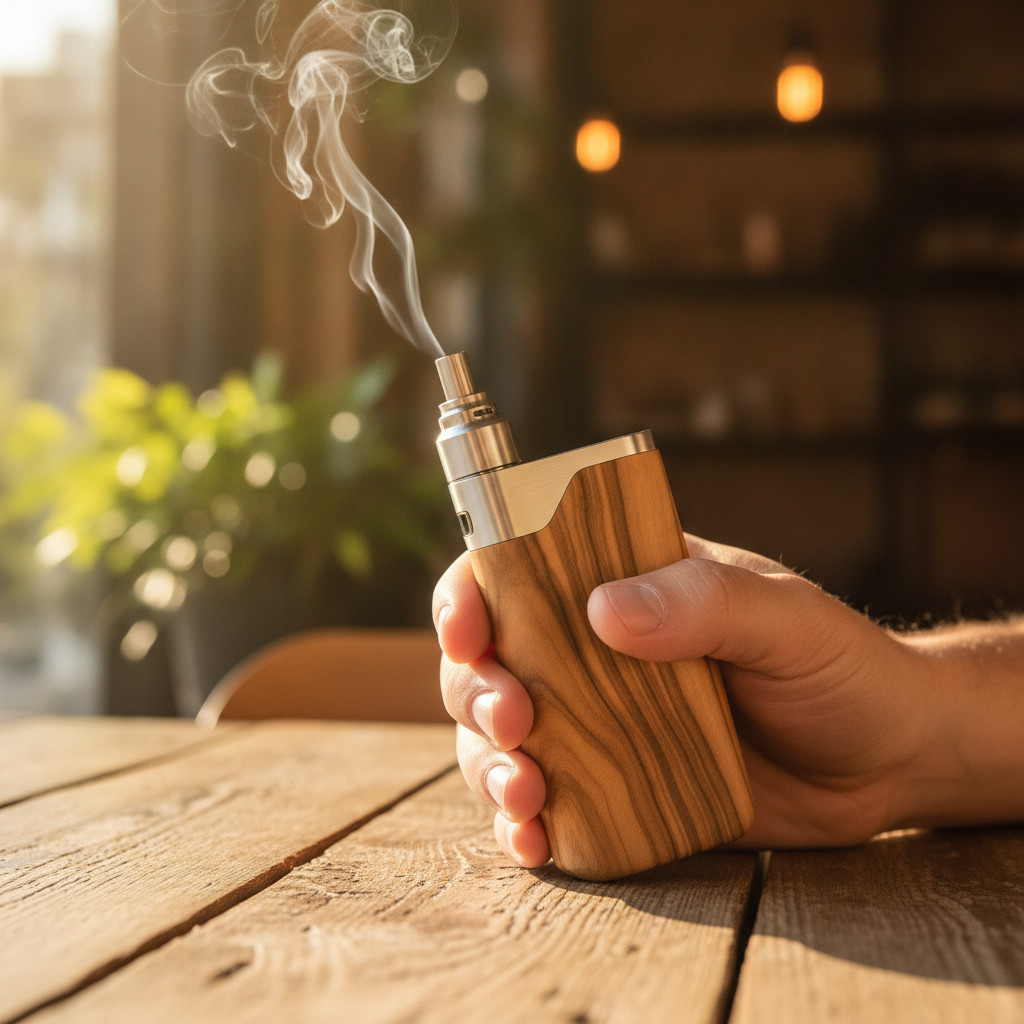
How manual vaporizers work
Manual vaporizers heat plant material without electronics. They rely on a simple heat source and user control. Because they avoid batteries and screens, they offer a tactile, deliberate experience.
Manual vaporizers components and heating process
- Mouthpiece
- Chamber or bowl for the material
- Heat shield or metal cap
- Body often made from olive wood or American walnut
- Optional mechanical temperature indicator such as an integrated click
The typical heating process follows clear steps:
- Load the chamber lightly and evenly. This preserves airflow and reduces hotspots.
- Apply the flame or external heat briefly to the cap or shield. As a result, the chamber warms gradually rather than instantly.
- Draw slowly while rotating the device to distribute heat. This helps vapor form instead of burning.
- Pause between draws to let the device cool slightly. Therefore, you avoid combustion and harsh smoke.
Because manual vaporizers use conduction and radiant heat, users control temperature by timing and distance. As a result, they can preserve delicate terpenes at low heat. However, raising heat releases more cannabinoids for stronger effects.
Scientific insight
Studies show that vaporization releases active compounds at far lower temperatures than combustion. For example, many terpenes evaporate below 170 degrees Celsius, while practical cannabinoid extraction occurs across a wider range. This reduces harmful byproducts compared with burning plant matter. For an accessible overview of chemical changes during heating see this review at PubMed Central. For temperature guides and boiling points consult Hanf Magazin.
Practical benefits
- Repairability and longevity because parts are often replaceable and finished by hand.
- Portability and simplicity because there are no batteries or charging cables.
- Flavor control because low heat preserves terpenes and aroma.
- Ritual and focus because users slow down and attend to the process.
If you want to shop smartly, consider price tools such as My CBD Advisor to compare models and find deals.
Quick comparison of manual vaporizers
Below is a clear table comparing popular manual vaporizers. It highlights key vaporizer features and user benefits. Because prices and ratings vary by retailer, the table shows ranges and typical values. Therefore you can compare portability, repairability, and heating style at a glance.
| Model | Battery | Heating method | Price range (USD) | Portability | Repairability | Typical user rating |
|---|---|---|---|---|---|---|
| Vapman (Swiss) | No battery | Flame assisted conduction with metal cap | 180 to 300 | High — pocketable | High — replaceable parts, restore kits | 4.6 of 5 |
| Lotus (INHALE) | No battery | External flame heats a metal chamber | 60 to 120 | High — compact tube design | High — spare components available | 4.4 of 5 |
| DynaVap VapCap M | No battery | Conduction via stainless cap, flame or torch | 40 to 80 | Very high — ultra portable | High — modular, replaceable caps | 4.5 of 5 |
| DynaVap OmniVap | No battery | Precision conduction with metal tip and caps | 120 to 250 | High — lightweight metal build | High — modular, serviceable parts | 4.7 of 5 |
Notes
- Heating method affects flavor and efficiency because conduction preserves terpenes at lower temperatures. As a result users report cleaner taste with careful technique.
- Repairability matters for long term value since many manual vaporizers use replaceable parts. Therefore they avoid the disposable hardware cycle.
- Price ranges reflect common retail listings and may vary by finish or limited editions.
Use this table to match vaporizer features to your priorities. For flavor, choose low heat conduction. For simplicity, choose robust, easy to service designs.
Benefits of manual vaporizers
Manual vaporizers offer clear advantages for people who value craft and control. Because they have no batteries, they stay usable without charging. Moreover they emphasize tactile feedback and simple mechanics. Users often praise flavor preservation and the ability to fine tune heat with timing.
Key benefits
- Flavor and terpene retention: Low, gradual heating preserves delicate terpenes. As a result users report cleaner, more nuanced taste.
- Repairability and durability: Many models use replaceable parts and restore kits. Therefore they can last years instead of ending as disposable hardware.
- Portability and independence: No batteries mean lighter kits and no charging cables. Consequently you can carry a working device anywhere.
- Ritual and slow consumption: Manual devices encourage intentional use and focused sessions. This appeals to people who want to slow down and savor.
- Cost flexibility: Entry models like the DynaVap VapCap cost less. However premium hand finished pieces like Vapman carry higher resale value.
Practical example
A pocket Vapman will deliver rich flavor with careful heating. If a part wears out you can order a spare component. As a result the device often outlives typical electronic units.
Drawbacks of manual vaporizers
Manual vaporizers also bring trade offs. You should weigh them before buying.
Main drawbacks
- Learning curve: Users must learn timing, distance, and draw speed. Otherwise they risk combustion and harsh smoke.
- Inconsistent temperatures: Flame control depends on skill and environment. Thus performance can vary between sessions.
- Slower sessions: Manual heating takes longer than instant electronic devices. Therefore they are not ideal for quick or on the go use.
- Safety and public use: Open flame can be inconvenient or restricted in public spaces. Also users must handle lighters carefully.
- Less automation: You lose precise digital temperature control and app integration. However some users prefer that simplicity.
A practical tip
If you want to compare models, consider using a price tool like this price comparison tool to find realistic listings. This helps balance features against cost and repairability.
Deciding which trade offs matter will guide your choice. For flavor and longevity choose manual vaporizers. For speed and convenience choose electronic models.
Conclusion: Why manual vaporizers still matter
Manual vaporizers offer a distinct mix of ritual, flavor control, and repairable design. They preserve terpenes through low, gradual heat and they avoid batteries, screens, and software updates. As a result many users prefer their tactile, deliberate experience.
However manual devices demand skill and patience. You must learn timing, distance, and draw technique to avoid combustion. Also open flame can limit public use and requires caution. Therefore balance your priorities: choose manual if you value longevity and flavor; choose electronic if you need speed and precise temperature control.
In short manual vaporizers reward attention. They encourage slow, mindful consumption and they reduce disposable waste. With sensible safety practices they remain a worthy option for anyone who values flavor, durability, and the ritual of flame.
Frequently Asked Questions (FAQs)
What are manual vaporizers and how do they differ from electronic models?
Manual vaporizers are simple devices that use flame or external heat. They do not use batteries, screens, or software. Therefore users control temperature by timing and distance. As a result manual units emphasize ritual, portability, and repairability.
Are manual vaporizers safer than smoking?
Vaporization heats plant material below combustion temperatures. Consequently it releases fewer harmful byproducts than burning. For scientific context see this review: this review. However safety depends on technique. If you overheat or combust, risks increase. Therefore learn proper heating and take short, gentle draws.
How do I heat and use a manual vaporizer correctly?
– Load lightly and pack evenly to preserve airflow.
– Apply the flame briefly to the cap or shield, keeping some distance.
– Draw slowly while rotating the device for even heat.
– Pause between draws to let the device cool.
Practically speaking, practice helps. As you gain experience you will find the timing that suits your material and taste.
What maintenance and repair should I expect?
Manual vaporizers focus on longevity and replaceable parts. Clean the chamber and mouthpiece regularly with isopropyl alcohol. Also inspect seals and metal caps for wear. Because many makers sell restore kits and spare components, you can replace worn parts instead of discarding the whole unit. This approach saves money and reduces waste.
Who should choose manual vaporizers and who should not?
Choose manual vaporizers if you value flavor, craft, and repairability. They suit people who enjoy a slower, mindful ritual. However if you need instant, precise temperatures or hands free convenience, choose electronic models instead. Balance matters, so pick the device that fits your lifestyle and safety needs.