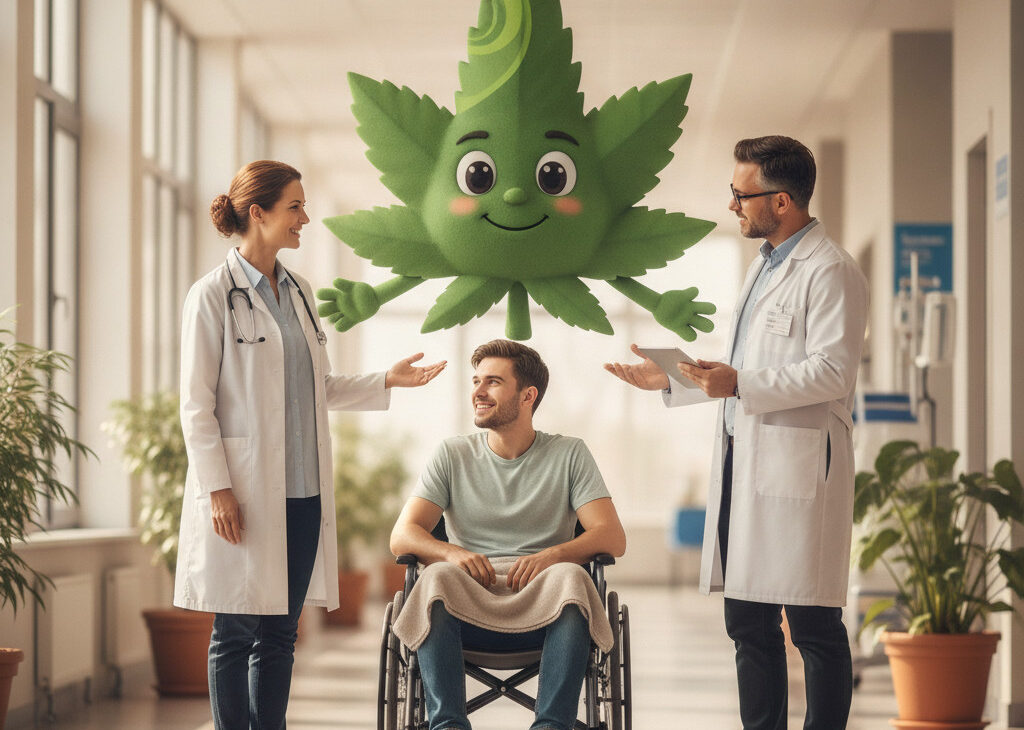
Medical cannabis in modern medical practice is moving from the margins into mainstream care. Patients and clinicians now ask about cannabinoids, THC, and CBD more often. As a result, medicine faces new research challenges and clinical opportunities.
Clinicians use medical cannabis for pain management, palliative care, and symptom relief. However, regulatory barriers and gaps in physician education remain. Therefore, researchers, policymakers, and doctors must collaborate to close knowledge gaps. Recent data and expert experience suggest reduced opioid use where medical programs exist. Moreover, the entourage effect and terpenes may change outcomes. Yet rigorous trials are limited, so many clinicians rely on careful clinical judgment. Consequently, patient-centered care and careful monitoring matter more than ever.
This article traces the path from early medical use to current practice. It reviews science, regulatory shifts, and real-world clinician perspectives. You will find clear explanations of dosing, delivery methods, and safety concerns. We also highlight practical steps for integrating cannabis into patient care responsibly. By the end, readers should feel informed, cautious, and ready to discuss options.
What is Medical cannabis in modern medical practice
Medical cannabis refers to cannabis plant products used to prevent or treat disease. Clinicians now consider cannabinoids, terpenes, and whole plant extracts. Because the plant contains many active chemicals, it can act in several ways. Therefore clinicians must balance benefits, risks, and patient goals.
Key components and how they act
- Cannabinoids: over 100 types exist. The best known are THC and CBD, but CBG and others matter too. Each cannabinoid affects the body differently because they interact with the endocannabinoid system. For example THC can reduce pain and nausea, while CBD often reduces anxiety and inflammation.
- Terpenes: more than 100 terpenes shape aroma and effects. For instance alpha-pinene may boost alertness, whereas limonene may improve mood.
- Entourage effect: combining cannabinoids and terpenes can increase overall benefit. As a result single-molecule drugs may not match whole plant outcomes.
Why recognition has grown
Medical cannabis gained traction due to patient reports, emerging studies, and regulatory changes. For example, states with medical programs saw opioid deaths fall and opioid use decline. Moreover growing clinical experience in palliative care and pain medicine increased clinician interest. For context, see broader scientific reviews at this research article.
Clinical roles and practical insight
- Uses: pain management, palliative symptom control, and some neurologic conditions. However evidence quality varies, so clinicians use judgment and shared decision making. Because legal and cultural issues shape access, advocacy and policy debates matter; see this discussion.
- Also legal cases affect patients rights, for instance this case and federal policy debates at this article.
In short, medical cannabis offers diverse tools for modern care. Yet more research, clinician education, and careful monitoring remain essential.

Evidence for Medical cannabis in modern medical practice
Clinical studies and population research support several medical uses. However evidence strength varies by condition and study type. Therefore clinicians must combine research with clinical judgment.
Key research highlights
- Population studies: states with medical cannabis laws report lower opioid overdose deaths. For example researchers found a 25% lower mean annual opioid overdose mortality rate. See PubMed study and the NBER working paper.
- Systematic reviews: cannabinoids show modest benefit for chronic noncancer pain. For a summary see NCBI article.
- Chemotherapy nausea and vomiting: cannabinoids reduce refractory symptoms in some trials. A recent meta-analysis supports prophylactic use in selected patients. See Springer article.
- Preclinical and observational signals exist for neuroprotection and reduced opioid use. However randomized trials remain limited. As a result clinicians often rely on cautious, monitored trials of therapy for individual patients.
Common clinical indications and notes
- Pain management: THC and CBD combinations can reduce pain and improve function in some patients. Evidence is moderate.
- CINV: THC and synthetic analogs help when first line therapies fail. Evidence is moderate to strong for refractory cases.
- Multiple sclerosis spasticity: THC or THC CBD formulations reduce spasticity symptoms. Evidence is moderate.
- Epilepsy (rare syndromes): CBD reduces seizures in Dravet and Lennox Gastaut syndromes. Evidence is strong for those indications.
| Condition | Cannabinoids involved | Observed effects or benefits | Evidence strength |
|---|---|---|---|
| Chronic noncancer pain | THC, CBD combinations | Pain reduction, improved sleep, opioid sparing in some studies | Moderate |
| Chemotherapy induced nausea and vomiting | THC, dronabinol | Reduced refractory nausea and vomiting | Moderate to strong |
| Multiple sclerosis spasticity | THC, THC CBD (nabiximols) | Reduced spasticity, improved mobility | Moderate |
| Epilepsy (Dravet, LGS) | CBD (high purity) | Fewer seizures, improved control | Strong |
| PTSD and anxiety | CBD, mixed THC CBD | Symptom relief reported in small studies | Limited |
| Opioid use reduction | Various cannabinoids | Population level reductions in opioid deaths and prescriptions | Observational |
| Traumatic brain injury models | Various cannabinoids (preclinical) | Reduced lesion size and neuroinflammation in animals | Preclinical |
In summary clinical evidence supports targeted uses of cannabis products. However more randomized trials and post marketing surveillance are essential. Therefore doctors should document outcomes and report adverse events when possible.
Practical applications and patient perspectives
Medical cannabis now enters clinical workflows in many specialties. Because clinicians seek safe options, they evaluate cannabis alongside standard therapies. Patients report benefits, and clinicians monitor outcomes and side effects.
Common forms of administration and practical notes
- Inhalation (smoking, vaping): fast onset, short duration. Therefore it suits breakthrough pain or acute symptoms. However inhalation can irritate airways.
- Oral (edibles, capsules, oils): slow onset and long duration. As a result dosing is less predictable but lasts longer.
- Sublingual tinctures and sprays: intermediate onset and more consistent dosing. Clinicians often prefer this for titration.
- Topicals and transdermal patches: localized relief with minimal systemic effects. These forms suit some chronic pain and neuropathy.
- Suppositories: alternative route for patients who cannot take oral or inhaled forms.
Dosing and safety in practice
- Start low and go slow. Begin with low doses and increase gradually. Because individual responses vary, personalize the plan.
- Review medications for interactions. In particular check sedatives and opioids.
- Monitor outcomes and side effects. Document changes in pain, sleep, mood, and function.
Patient experiences and outcomes
Many patients report better sleep, reduced pain intensity, and improved quality of life. For example qualitative studies describe how patients choose forms and dose to regain daily function. See patient preferences research and values studies. Also data on vaping prevalence offer context for route choices information here.
“I slept through the night for the first time in years. My pain dropped, and I could garden again.”
Patient reported outcome from a palliative care clinic
In short, clinicians use multiple formulations. Therefore shared decision making, careful titration, and follow up matter most.
Conclusion
Medical cannabis in modern medical practice shows steady acceptance and real therapeutic promise. Clinicians now use cannabinoids for pain, spasticity, CINV, and rare epilepsies. However evidence varies by condition, so clinicians balance research with clinical judgment.
Continued research and education remain essential. Therefore medical schools and continuing education programs should expand cannabis curriculum. Also rigorous randomized trials and post marketing surveillance must grow. Clinicians should document outcomes and report harms, because careful data builds better care.
In short, medical cannabis is no longer fringe medicine. With thoughtful policy, clinician training, and patient centered care it offers useful options. Remain curious, stay evidence oriented, and discuss choices openly with patients.
Frequently Asked Questions (FAQs)
What is medical cannabis and is it legal for patients?
Medical cannabis refers to plant based products used under clinician supervision to manage symptoms. Laws vary by state and country. Many programs require a clinician recommendation or certification. Federal law still classifies cannabis differently, so reconcile local rules with federal guidance. Therefore check your state’s registry before accessing products.
Is medical cannabis safe?
Cannabis is generally safe at therapeutic doses for most adults. However side effects can include dizziness, sedation, dry mouth, and short term memory changes. Because cannabinoids affect drug metabolism, check interactions with sedatives and blood thinners. Therefore avoid operating heavy machinery while impaired and report adverse effects promptly.
Does medical cannabis work?
Research supports benefit for chronic pain, chemotherapy induced nausea, multiple sclerosis spasticity, and select epilepsies. Evidence strength ranges from strong to limited depending on condition. Therefore clinicians combine trial data with patient experience. Population studies also indicate reduced opioid use where programs exist, which supports harm reduction.
How is medical cannabis administered?
Common forms include inhalation, oral edibles or oils, sublingual tinctures, topicals, and transdermal patches. Inhalation has rapid onset and short action. Oral forms act slowly but last longer. Clinicians recommend starting low and titrating slowly. As a result patients find tailored regimens that meet their goals.
Who is eligible and how do I discuss it with my doctor?
Eligibility depends on local program criteria and clinician judgment. Bring your medical history, medication list, and treatment goals. Ask about expected benefits, monitoring plans, and legal protections. Together you can create a documented, safe plan.
Continue learning through reliable sources. Talk openly with clinicians because shared decisions improve outcomes. For vetted resources visit MyCBDAdvisor and explore evidence based guides. Stay curious and informed always.