The Minnesota 8-plant home grow rule matters now more than ever
This law lets adults cultivate up to eight cannabis plants per residence. However, only four of those plants may be mature and flowering at once. Because of that limit, growers must plan staggered grow cycles for steady harvests. The rule affects home cultivation choices like autoflowers and feminized seeds.
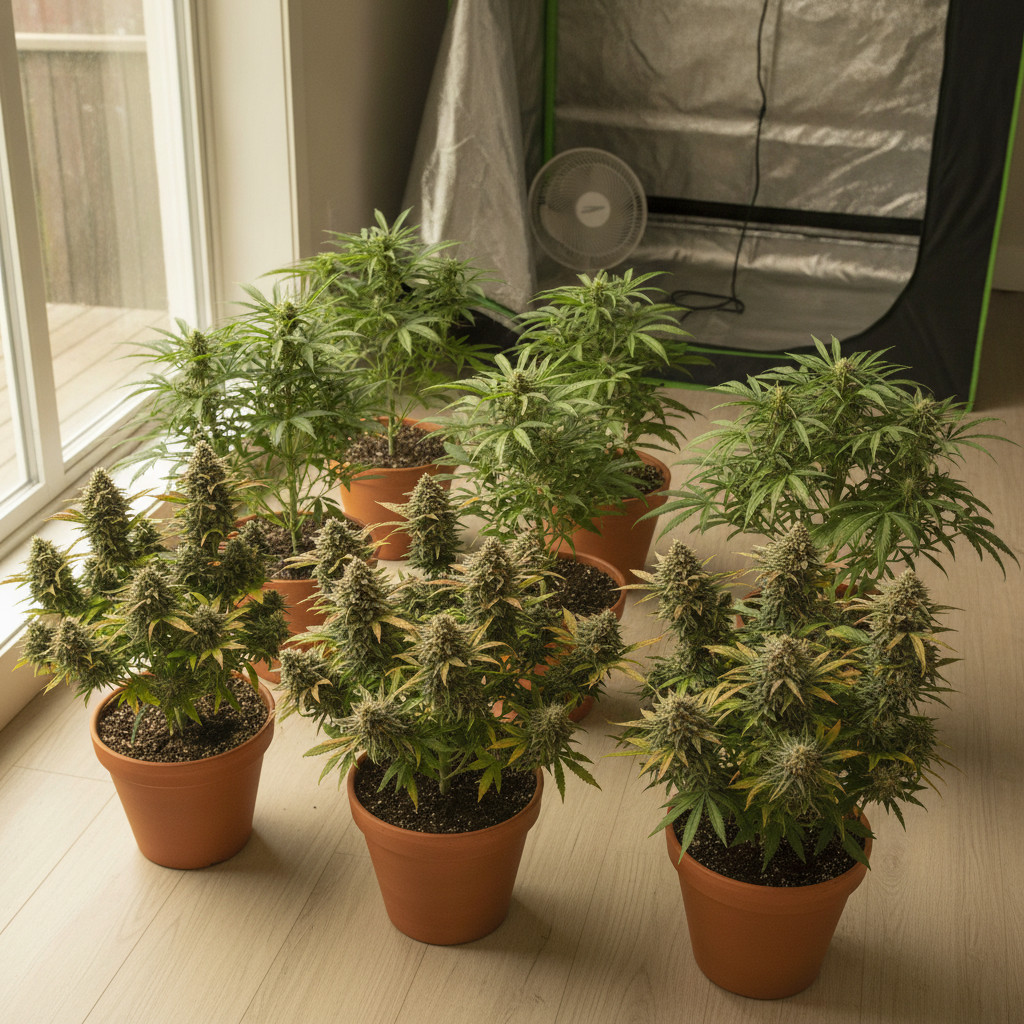
For example, autoflowers finish in 75 to 90 days without changing light cycles. Indoor growers often use a 4×4 grow tent to control light and humidity. Outdoor gardens need to stay enclosed behind a locked fence and screened from the street. Therefore, privacy rules and local zoning can change your setup and compliance steps.
This article explores Minnesota regulations and practical implications for everyday wellness growers. It will cover compliance tips for legal home cultivation and best practices for plant health. You will learn about soil choices, organic feeding, filtered water, and harvest timing. As a result, you can create a safe, consistent routine for growing CBD plants at home. We also highlight seed quality, COAs, and trusted sources for compliant growers in Minnesota.
Read on to understand the law, avoid common pitfalls, and grow responsibly.
Minnesota 8-plant home grow rule explained
This section breaks down the key details of the Minnesota 8-plant home grow rule. Adults should understand where the law applies and what counts as a plant. Additionally, we explain limits on possession and who may lawfully cultivate cannabis at home.
-
Where the rule applies
- The limit is per residence, not per person. Therefore a household may have up to eight cannabis plants total. For full legal text see the Minnesota statute.
- Cultivation must occur at the grower’s primary residence. Outdoors the plants must sit in an enclosed locked space and be screened from public view. For practical guidance visit Minnesota’s official cannabis information page.
-
Who qualifies to grow
- Adults aged 21 and older may cultivate up to eight plants per residence for personal use. However, only four plants may be mature and flowering at one time.
- Registered designated caregivers may grow for a qualifying patient household. Additionally, caregivers may grow up to eight plants for their own household, subject to combined limits in the caregiver’s residence.
-
What counts as a plant
- Any live cannabis plant counts toward the eight plant limit. This includes seedlings, clones, vegetative plants, and mature flowering plants.
- Because the law caps mature plants at four, you must track plant stages. As a result, staggered grows or using autoflowers can help stay within limits.
-
Possession and related limits
- The statute restricts volatile solvent extraction at home. Therefore, avoid home methods that use dangerous solvents.
- Violating cultivation rules can trigger civil or criminal consequences under state law. For exact penalties review the statute.
Understanding these Minnesota cannabis law specifics helps you plan legal home grows. Next we cover compliance tips, grow cycles, and safety practices to keep your garden lawful and discreet.
State Cannabis Laws Comparison
For context this state cannabis laws comparison shows how Minnesota stacks up nationally. Below is a quick comparison of Minnesota, California, Colorado, and Washington. Use the links in the table to review official rules for each state.
| State | Maximum plants allowed | Conditions to qualify | Penalties for violations |
|---|---|---|---|
| Minnesota | 8 plants per residence; no more than 4 mature (flowering) at once. | Adults 21 and older at their primary residence. Outdoor grows must be enclosed, locked and screened from public view. Official statute: Minnesota Statute. State guidance: MN State Guidance. | Violations can lead to civil fines or criminal charges depending on severity. See statute for details: Minnesota Statute. |
| California | 6 living plants per residence for adults 21 and older. | Must be at private residence. Plants and excess cannabis should be kept in a locked space and not visible from public places. Local governments may restrict outdoor grows. Official code: California Code. | Penalties vary by local law and state statute. Illegal sales or large unpermitted grows can trigger misdemeanor or felony charges. See link above for details. |
| Colorado | Up to 6 plants per person with no more than 3 mature flowering plants; local limits may apply and some jurisdictions restrict total household plants. | Adults 21 and older for personal use. Plants must be secured and not visible to the public. See Amendment 64 summary: Amendment 64 Summary. | Penalties range from civil fines to criminal charges for unlawful distribution or large-scale grows. Check local ordinances for stricter rules. |
| Washington | Recreational home cultivation is generally prohibited; medical patients or designated providers may grow with authorization. | Medical growers must follow state rules and limits tied to patient needs. Official guidance: Washington State Guidance. | Unauthorized cultivation can result in criminal charges and property forfeiture. See WSLCB guidance for specifics. |
Overall Minnesota sits in the moderate range with an 8 plant per household limit. However, California and Colorado allow personal cultivation with different limits and conditions. Washington restricts recreational home grows while allowing medical cultivation. Therefore always consult your state links above before you start a home grow to stay compliant.
Benefits of the Minnesota 8-plant home grow rule
The Minnesota 8-plant home grow rule gives adults controlled access to personal cannabis cultivation. Because adults 21 and older can grow up to eight plants per residence, households gain independence from dispensaries. Home growing can lower costs, improve product transparency, and support wellness routines. For example, growers can choose feminized seeds and autoflowers to match schedules and space. As a result families and caregivers can manage plant potency and cannabinoid profiles for personal needs. Moreover the limit protects public safety and reduces unregulated commercial-scale operations.
Challenges of the Minnesota 8-plant home grow rule
However the rule creates practical and legal challenges for growers. You must track plant stages because only four plants may be mature and flowering at once. Failure to follow staging can trigger penalties under Minnesota law. Outdoor grows must stay enclosed behind a locked fence and screened from view, which adds cost and complexity. In addition volatile solvent extraction is restricted by statute, so avoid risky home extraction methods. New growers often ask “How do I actually start?” and that question highlights education gaps.
- Practical issues to plan for
- Staggered grow cycles require careful timing and space management. Therefore choose strains and schedules that fit your routine.
- Indoor growers need proper ventilation, odor control, and a 4×4 grow tent for consistent results.
- Outdoor growers must secure plants from public view and follow local zoning rules.
- Why limits can be beneficial
- Limits discourage large illegal grows and support community safety. As one grower advised, “Grow responsibly, stay within your 8-plant limit, and enjoy the tranquility of growing your own.”
Balancing benefits and challenges lets responsible Minnesotans enjoy home cultivation while remaining compliant. For official guidance, consult Minnesota’s statute at Minnesota Statute and the state cannabis portal at Minnesota Cannabis Portal.
Conclusion
The Minnesota 8-plant home grow rule lets adults cultivate up to eight cannabis plants per residence. This law balances personal access with public safety and homeowner responsibilities.
Only four plants may be mature and flowering at once. Therefore growers must plan staggered grow cycles and choose strains wisely. This rule affects indoor tent setups and outdoor gardens that must be secured and screened from view.
Home cultivation supports wellness, product transparency, and cost savings. For example gardeners can select feminized seeds and autoflowers to meet timing needs. As a result households gain more control over CBD quality and consistency.
However compliance matters because violations can lead to fines or criminal charges. Therefore secure your grow, track plant stages, and avoid volatile solvent extraction at home. Additionally follow local zoning and safety rules.
MyCBDAdvisor is a full-spectrum, research-driven CBD knowledge source for reliable cannabinoid information for consumers and professionals.
With planning and respect for the rules you can grow safely and enjoy home-grown CBD. Grow responsibly, stay within limits, and focus on wellness.
Frequently Asked Questions (FAQs)
What is the Minnesota 8-plant home grow rule?
The Minnesota 8-plant home grow rule allows adults to grow up to eight cannabis plants per residence. However only four of those plants may be mature and flowering at any time. The limit applies to your household, not each individual.
Who can legally grow cannabis at home in Minnesota?
Adults aged 21 and older may grow plants at their primary residence. Registered caregivers may also grow for qualifying patients under applicable rules. Therefore verify eligibility before you start.
What counts as a plant and how do mature plant limits work?
Any live cannabis plant counts toward the eight plant total. This includes seedlings, clones, vegetative plants, and flowering plants. Because only four plants can be mature at once, plan staggered grow cycles or use autoflowers to maintain steady harvests.
What penalties apply for violating the rule?
Violations can result in civil fines or criminal charges depending on severity. In addition authorities may seize plants involved in unpermitted cultivation. Therefore follow Minnesota law and local ordinances to avoid enforcement actions.
What practical tips help me stay compliant?
– Keep your grow in a locked, enclosed space that is not visible from public areas. This reduces legal risk.
– Track plant stages and document counts so you never exceed four mature plants at once.
– Use feminized seeds and autoflowers to optimize space and timing.
– Avoid volatile solvent extraction at home; it carries legal and safety risks.
If you follow these guidelines you can enjoy home-grown CBD while staying within Minnesota cannabis cultivation regulations.