Introduction
Nanoemulsion bioavailability refers to delivering cannabinoids as stable, under 100 nanometer oil droplets that absorb faster and more consistently than traditional oils. This technology speeds onset and raises effective delivery so users experience fast, reliable absorption for dosing and therapeutic use.
- Onset is typically 15 to 20 minutes, far faster than the 60 plus minutes common with standard edibles.
- Effective bioavailability often rises into the 50 to 80 percent range versus about 4 to 12 percent for traditional edibles.
- Practical benefits include a controlled climb in blood levels, consistent potency per dose, and easier micro dosing for social or clinical use.
Clinical and formulation studies report larger area under the curve, faster time to peak, and evidence of transmucosal uptake and lymphatic transport with nanoemulsions. For detailed metrics see the clinical pharmacokinetic study here and a nanoformulation review here.
What is nano-emulsion bioavailability?
Nano-emulsion bioavailability describes how nano-sized cannabinoid droplets improve oral absorption and systemic exposure. Because high-pressure ultrasonic processing creates droplets under 100 nanometers, absorption rises and onset shortens. Studies show bigger AUC and faster Tmax versus oils. They clinically support faster 15 to 20 minute onset and higher effective delivery (Study 1, Study 2).
How Nano-emulsion Technology Improves Bioavailability
Nano-emulsion bioavailability improves cannabinoid absorption by converting oil into stable, water-compatible particles that mix uniformly in beverages and edibles. Because droplets fall under 100 nanometers, available surface area rises dramatically and digestive fluids contact more cannabinoid surface, speeding dissolution and uptake (source). This reduces loss to first-pass metabolism and supports more consistent plasma levels.
What happens at the nanoscale
High-pressure ultrasonic processing breaks bulk oil into droplets under 100 nanometers, producing a fine emulsion that disperses evenly in water-based matrices. The much larger collective surface area accelerates dissolution into gastrointestinal fluids and enhances mucosal contact, which helps cannabinoids move into absorptive tissues faster (source).
Food-grade emulsifiers coat each droplet to prevent coalescence and maintain long-term stability in finished products. That stability preserves uniform potency across doses and reduces variability from settling or separation.
Nanoemulsions also open alternative absorption pathways such as early transmucosal uptake in the mouth and enhanced lymphatic transport in the intestine. These routes bypass some hepatic first-pass metabolism and can shorten time to peak concentration, improving onset and effective delivery (source).
Key PK terms
- AUC: Total drug exposure over time; higher area under the curve means more CBD reaches systemic circulation.
- Tmax: Time to peak concentration in blood; shorter Tmax indicates faster onset of effects.
- Cmax: Maximum plasma concentration; a larger Cmax shows a higher peak level after dosing.
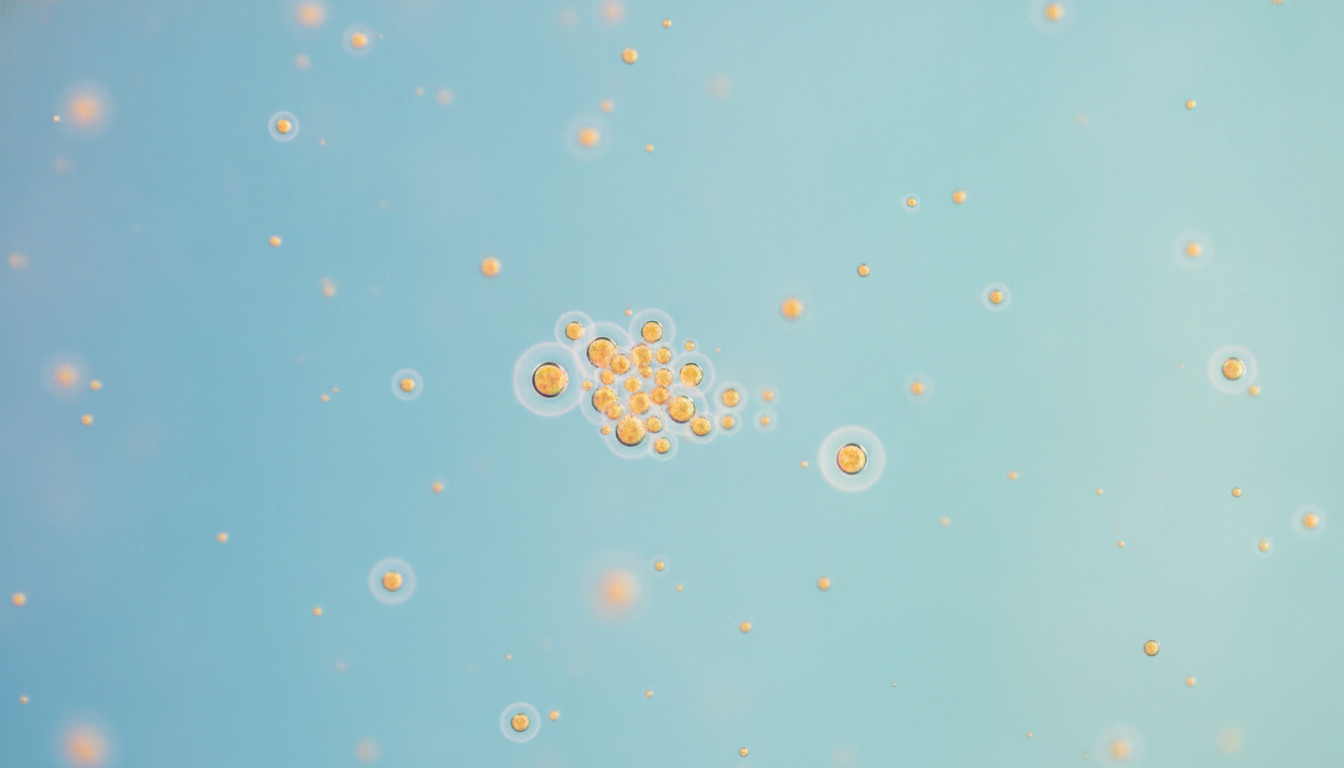
Microscopic depiction of sub-100 nm cannabinoid droplets stabilized with food-grade emulsifiers
Image credit Original image licensed to MyCBDAdvisor
Comparison of Bioavailability Among CBD Delivery Methods
| Delivery Method | Typical Bioavailability Range (%) | Onset Time | Notes |
|---|---|---|---|
| Oral tinctures (sublingual) | 6 to 20 | 15 to 60 minutes | Variable uptake because some is absorbed transmucosally. Hold time and formulation matter. |
| Capsules (oral edibles) | 4 to 12 | 45 to 90 minutes | Subject to first-pass metabolism. Predictable dosing but slower onset. |
| Vaping (inhalation) | 25 to 35 | Within minutes | Rapid systemic delivery and higher bioavailability. Not appropriate for all users. |
| Topical | Negligible to low | Minutes to hours (local) | Primarily local effects. Systemic absorption is minimal in most formulations. |
| Nano-emulsion | 50 to 80 | 15 to 20 minutes | Enhanced delivery and faster Tmax. Provides a controlled climb and consistent dosing. |
The estimates above come from pharmacology reviews and formulation studies. For example, a comprehensive review of cannabidiol pharmacology reports oral and inhalation ranges here. In addition, formulation-focused research outlines strategies that raise oral bioavailability, including nano-emulsions here. Therefore nano-emulsion bioavailability clearly improves effective delivery and shortens onset compared with traditional oral formats.
Why Choose Nano-emulsion CBD Products?
Nano-emulsion bioavailability offers clear consumer advantages for CBD users. Because droplets shrink below 100 nanometers, products show fast absorption and greater uptake. Therefore users often report faster onset and improved CBD product efficacy.
- Faster onset: effects often begin within 15 to 20 minutes, offering on-demand relief.
- Higher effectiveness: bioavailability rises from about 4-12 percent to roughly 50-80 percent, increasing active CBD in blood.
- Better consistency: homogenized droplets keep potency uniform from first to last dose.
- Easier micro-dosing: precise control supports social dosing and daily maintenance.
Clinical reviews and formulation studies support these gains. See the pharmacology review at Pharmacology Review and the nanoformulation paper at Nanoformulation Paper.
Users report reduced dose variability and improved value. Therefore many achieve desired effects with lower milligram doses. As a result, nano-emulsion products can deliver better bang for your buck. Choose nano-emulsion products when you want predictable, fast absorption and maximized CBD product efficacy.
CONCLUSION
Nano-emulsion bioavailability changes cannabinoid delivery by increasing absorption and shortening onset. Droplets under 100 nanometers dramatically raise surface area. As a result, more CBD reaches systemic circulation and blood levels climb more predictably.
Therefore consumers gain faster onset, improved efficacy, and consistent dosing. However, shoppers should check formulation details, third-party lab tests, and serving sizes before buying. For practical product guides and curated lab-verified selections, visit MyCBDAdvisor.
Talk to your healthcare provider when using cannabinoids with other medications, because interactions may occur. Also follow local laws and emergency protocols when needed. MyCBDAdvisor offers research-driven reviews to help you compare formulations and choose responsibly.
Frequently Asked Questions (FAQs)
Is nano-emulsion CBD safe to use?
Nano-emulsion CBD uses food grade emulsifiers and common processing methods. Manufacturers that follow good manufacturing practices generally show acceptable safety in formulation and preclinical reviews. Always check independent third party lab results for potency, solvents, and contaminants before purchasing. For regulatory context and safety summaries see the pharmacology review on cannabidiol and nanoemulsion safety studies here, here.
How effective is nano-emulsion compared with oil tinctures?
Nano-emulsion formulations increase systemic exposure and usually reach peak levels faster than oil based tinctures; see the Comparison of Bioavailability section above for numeric details. Pharmacokinetic and formulation reviews report higher area under the curve and faster time to peak in nanoformulations. Reduced milligram dosing to achieve similar effects is commonly observed in clinical and translational studies here.
Can nano-emulsion produce faster absorption for mouth dosing?
Yes. Nano-emulsions can enable partial transmucosal uptake in the mouth and faster intestinal absorption, which often shortens onset compared with traditional edibles. Individual factors such as fasting state and saliva flow still influence absorption. Controlled buccal nanoemulsion studies illustrate improved permeation and quicker Tmax here.
How should I dose nano-emulsion products?
Start low and titrate slowly because increased bioavailability changes effective dose versus conventional edibles. Allow sufficient time to assess effects before redosing; wait 30 to 60 minutes when testing a new product. Practical guidance:
- Begin at a fraction of your previous edible dose and increase gradually while tracking effects.
- If switching from 25 mg edible oil, consider starting at about 5 to 10 mg with a nano-emulsion and wait 30 to 60 minutes before redosing.
- Verify product potency on third party lab reports and adjust based on personal response.
Are there regulatory limits or interactions to consider?
Regulation and labeling vary by jurisdiction and many cannabinoid products are not FDA evaluated. CBD and other cannabinoids can interact with some medications; consult your healthcare provider before starting or changing use. For pharmacology and interaction guidance refer to the cannabidiol pharmacology review here.
Related on CBD Advisor
- Boost Your Wellness: Terpene-Rich CBD Capsules for Bioavailability
- Explore New Delta-8 Consumption Methods: Trends and Techniques
- Which Is Fastest? THC Beverages vs Edibles