New Jersey cannabis cultivation: Growth, Terpenes, and the Craft vs Scale Shift
New Jersey cannabis cultivation sits at a pivotal moment. Because demand climbed fast, operators face new choices. Rapid billion-dollar growth has made the market highly desirable. However, supply remains tight on the East Coast and margins tighten.
Consumers here want specific aromatic profiles and consistent effects. Therefore cultivators must watch canopy cues and tweak conditions daily. Growers must balance yield with craft quality and terpene expression. Moreover, breeders and tissue-culture banks now shape future genetics and strain stability.
Breeding has accelerated, and hybrid seeds can deliver uniformity at scale. Tissue culture and cryogenic storage offer genetic banking, yet revived legacy strains may differ in expression. Export rules and GMP requirements add cost and influence strategy. As a result, New Jersey faces a race to stay economically viable.
This article explores stress effects, terpene expression, and the craft versus scale trade-offs. First we unpack how mild stress can shift aroma and potency. Then we compare craft growers to larger operations and the choices they make. Finally we examine genetic preservation, breeding, and export opportunities for New Jersey cultivators. Read on to see what will shape the state’s cannabis future.
New Jersey cannabis cultivation: Regulatory environment, licensing, and key players
New Jersey cannabis cultivation operates under a tight, evolving regulatory framework. Because the state balances public safety with market growth, regulations change often. Therefore cultivators must stay current with rules and local ordinances.
Key regulatory bodies and guidance
- New Jersey Cannabis Regulatory Commission oversees licensing and compliance. They set testing, packaging, and security standards. For official rules visit New Jersey Cannabis Regulatory Commission.
- Industry press and trade groups report emerging trends and best practices. For example, Cannabis Industry Journal covers cultivation science and market shifts at Cannabis Industry Journal.
Licensing process at a glance
- Application and prequalification: First applicants submit detailed plans and background checks. Next the state evaluates operational readiness.
- Local approval and zoning: Because municipalities can opt in or out, growers must secure municipal consent. Often local approvals cause delays.
- Technical requirements and audits: Applicants must show SOPs, security, and testing protocols. Finally the commission issues conditional and full licenses after inspections.
Workforce, labor rules, and protections
- Labor protections shape hiring, wages, and working conditions. For more on worker rights read Worker rights in NJ cannabis cultivation.
- Operators must plan for training and retention. Moreover, worker safety affects canopy management and product quality.
- For implications on labor law see NJ cannabis labor protections and for employer guidance Employer guidance on labor protections.
Major industry players and market dynamics
- Operators such as iAnthus and Justice Cannabis influence supply and scale. GrowGeneration and Pantheon Cultivation supply inputs and infrastructure. Claude9 and other craft cultivators chase terpene-rich, premium profiles.
- Because demand outpaced supply, New Jersey remains attractive to new entrants. However export rules and GMP expectations shape long term strategies.
Related terms: New Jersey cannabis market, genetic banking, tissue culture, hybrid seeds, canopy management.
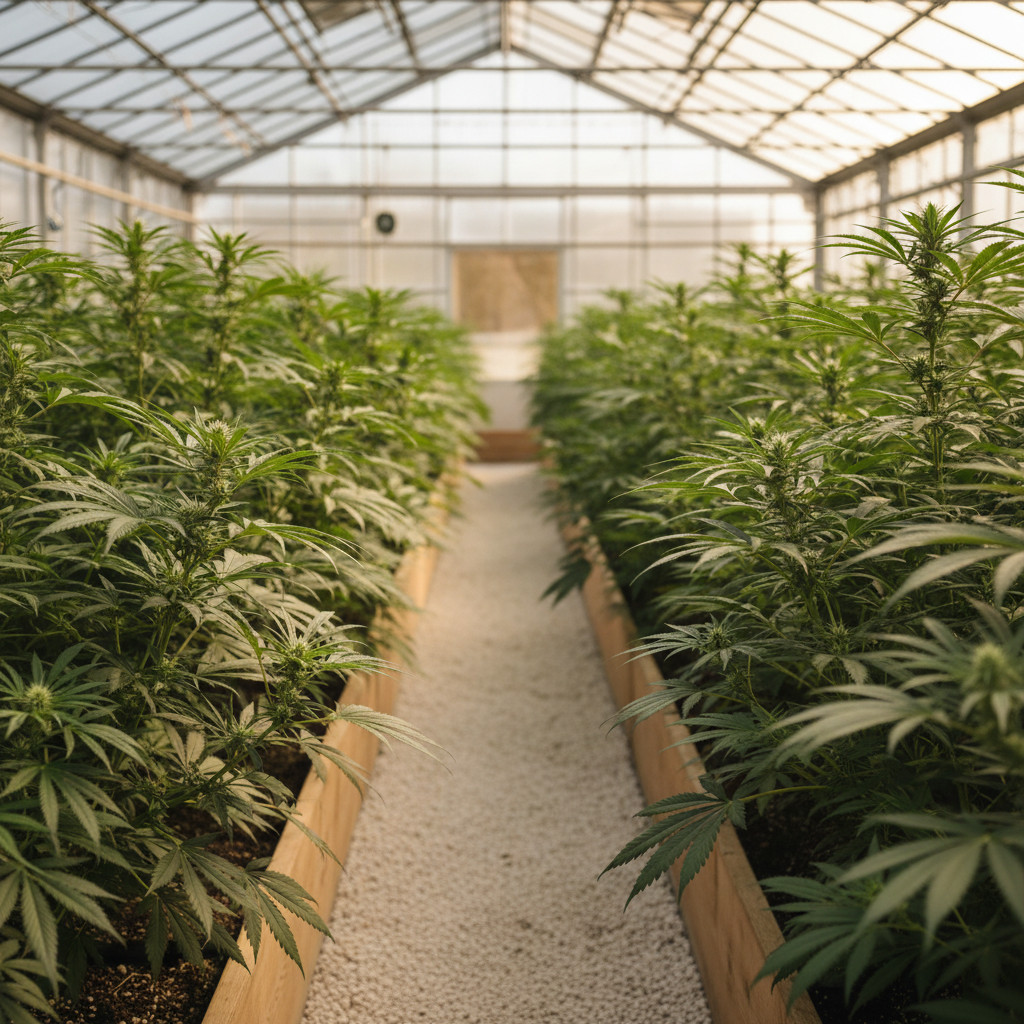
Image credit: MyCBDAdvisor
Economic and social impact of New Jersey cannabis cultivation
New Jersey cannabis cultivation has become a clear economic driver. Because recreational sales began in 2022, the market scaled quickly. In 2024 the state reported record sales topping one billion dollars, which shows strong consumer demand and room for further growth. See the official report at official report.
Economic benefits and tax revenue
- Direct sales: Retail and medical sales now exceed major early projections. As a result, growers find steady wholesale demand.
- Tax receipts: The state reported significant tax collections in 2024, including Social Equity Excise Fees. For details visit more details.
- Municipal revenue and local spending: Municipal opt-ins have captured new business and construction dollars. Moreover, ancillary firms benefit from cultivation expansion.
Jobs, workforce, and downstream effects
- Job creation: Expansion of dispensaries and cultivation sites created new roles in cultivation, processing, testing, logistics, and compliance. For program highlights see program highlights.
- Training needs: Employers now invest in specialized training and safety programs, which improves worker retention.
- Ancillary employment: Security firms, HVAC contractors, and packaging suppliers expand alongside cultivators.
Social implications and equity
- Social equity aims to correct past harms through licensing and excise fee programs. However, barriers like capital and zoning still limit participation.
- Public health and safety: Because regulation mandates testing and packaging, consumers receive safer, consistent products.
- Community trade-offs: While cultivation brings jobs, communities must balance land use, odor control, and traffic impacts.
In short, cultivation fuels revenue and jobs. Yet equity, local buy-in, and regulatory costs will shape long term outcomes.
| Method | Typical setup and operating cost | Yield (relative) | Quality and terpene expression | Environmental impact | Best for |
|---|---|---|---|---|---|
| Indoor | High initial cost, high energy bills, controlled environment costs | Very high per square foot | Very consistent. Easy to dial in terpenes and cannabinoid profiles | High electricity and HVAC footprint; higher carbon intensity | Craft brands, GMP production, year-round supply |
| Greenhouse | Moderate capital, lower lighting costs, some climate controls needed | High with supplemental lighting | Strong terpene expression from natural light; consistent with controls | Lower energy than indoor; uses natural light. Vulnerable to pests and weather | Scaled craft, hybrid craft-scale operations |
| Outdoor | Low capital, minimal operating energy, seasonal | High per plant, lower per square foot consistency | Can produce rich terpene profiles in full sun; quality varies by season | Low energy use; land and water impacts; depends on pesticides and runoff controls | Bulk flower, low-cost production, outdoor genetics testing |
Notes:
- Cost categories reflect typical U.S. Northeast conditions and New Jersey zoning costs.
- Yield and quality depend on cultivar, management, and stress strategies.
- Environmental impact varies with energy source, water practices, and pest management.
- Growers often mix methods to balance scale and craft outcomes.
Conclusion: What New Jersey cannabis cultivation means going forward
Legalization transformed the state’s market and opened clear economic pathways. As a result, New Jersey cannabis cultivation now drives jobs, tax revenue, and new businesses. Because sales reached record levels, operators must balance scale and craft to remain profitable.
Regulation matters, and compliance shapes strategy. Municipal zoning, testing standards, and potential GMP demands raise costs and influence export plans. However, strong oversight also improves consumer safety and product consistency. Growers who invest in SOPs, training, and genetic banking will gain an edge.
Looking ahead, innovation will steer outcomes. Breeding, tissue culture, and hybrid seed programs promise more uniform plants and targeted terpene profiles. Moreover, craft cultivators will keep pushing quality while larger operations chase yield and consistency. Therefore the market will reward clarity of strategy and adaptability.
Frequently Asked Questions (FAQs)
How do I obtain a cultivation license in New Jersey?
The New Jersey Cannabis Regulatory Commission issues licenses. First you prequalify and submit an application. Next you obtain municipal approval and pass inspections. Finally you show SOPs, security plans, and testing protocols. Because rules change, consult the commission and legal counsel.
What are the biggest cultivation challenges?
Cost, compliance, and consistency top the list. Energy and HVAC bills rise for indoor grows. Pest control and weather affect outdoor and greenhouse crops. Therefore breeders, SOPs, and trained staff help stabilize quality.
Should I choose craft or scale?
Craft focuses on terpene rich profiles and premium pricing. Scale targets yield and consistency for wholesale markets. However many operators mix methods to balance revenue and brand.
What legal and testing requirements apply?
Products must meet state testing, labeling, and packaging rules. GMP standards may be required for export markets. As a result, labs and quality teams become crucial for compliance.
What economic opportunities exist for cultivators?
Cultivation creates jobs across growing, processing, testing, and logistics. Social equity programs aim to expand access, but capital and zoning remain barriers. For practical guides and updates consult MyCBDAdvisor.