
Tightening hemp rules: What Ohio, Texas, and South Carolina Mean for Growers, Retailers, and Consumers
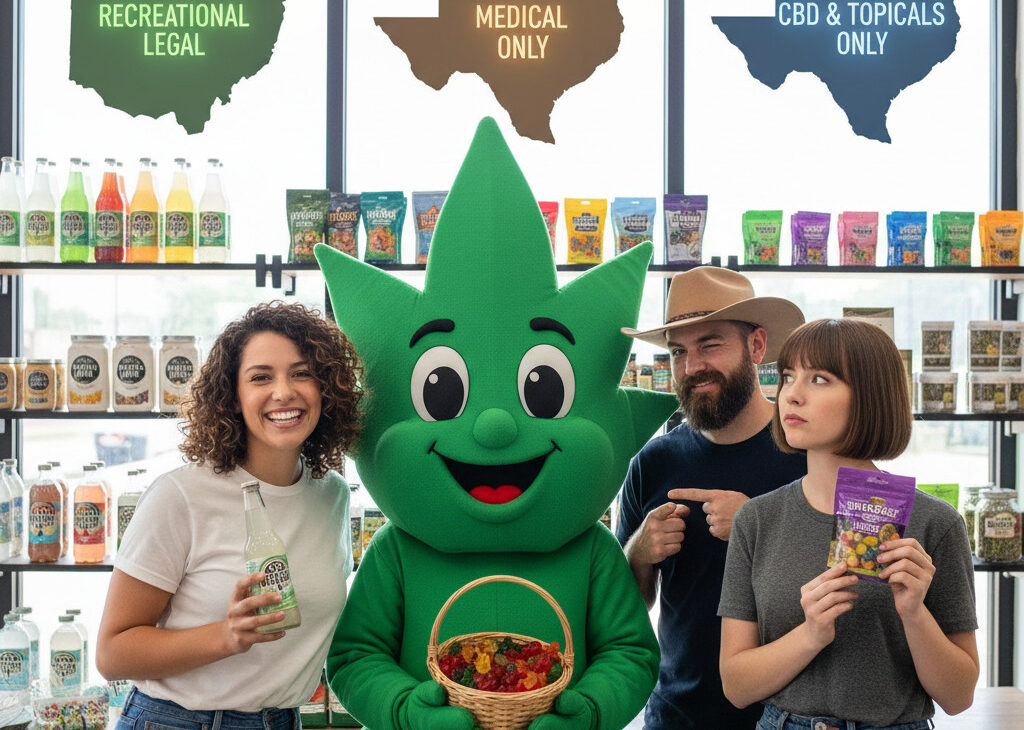
Tightening hemp rules are reshaping the U.S. hemp market faster than many expected. Because state lawmakers moved differently, growers now face sharply different legal landscapes. In Ohio the state banned intoxicating hemp products, and this change hit beverages and CBD drinks. Meanwhile Texas redefined total THC to include THCA, which effectively limits smokable hemp. South Carolina chose containment instead, allowing low dose THC drinks behind the counter.
As a result retailers must decide whether to relabel, relocate, or stop selling certain products. Growers may need new tests, different harvest plans, and updated compliance systems. Moreover consumers should watch labels closely because product access and potency can change quickly. However legal fights and market adjustments mean uncertainty will persist in the near term. This guide previews what each state did and offers practical steps for producers, sellers, and buyers. We explain timelines, fees, and likely court outcomes to help stakeholders plan ahead.
Key implications of tightening hemp rules for producers and the industry
Tightening hemp rules are forcing rapid adjustments across cultivation, processing, and retail. For producers the changes affect everything from seed selection to testing protocols. For processors and retailers the rules change costs, inventory, and legal risk. Below are the most important implications and practical takeaways.
- Compliance costs rise sharply
- States like Texas now charge elevated fees. Retailers face $5,000 per location and manufacturers $10,000 per facility, which increases overhead and squeezes margins. See the Texas coverage for details: Texas Hemp Rules Coverage.
- As a result many small operators may exit the market or consolidate.
- Product mix and market access change
- Ohio effectively banned intoxicating hemp beverages on March 20, 2026, disrupting beverage makers and local sellers. See local reporting: Ohio Intoxicating Hemp Beverages Ban.
- South Carolina limited stronger edibles to liquor stores and moved low dose drinks behind the counter. Therefore product placement now matters more.
- Testing and measurement standards shift
- Texas counts THCA toward total THC. Consequently flower and extracts that once passed tests now fail. This change requires new lab protocols and farm-level planning.
- Market structure and business strategy
- Tightening rules create three distinct market paths: prohibition like Ohio, containment like South Carolina, and targeted cuts like Texas. For broader regulatory context, read about regional regulation trends: Regional Regulation Trends.
- Also consider how state growth and risk dynamics shape opportunities in nearby markets: New York Cannabis Market Risks and Growth.
- Cities and states continue to experiment with carveouts and beverage rules. For a city-level example, see Chicago’s beverage carveout coverage: Chicago Hemp Beverage Carveout.
Practical steps producers should take
- Update lab testing and chain of custody procedures immediately.
- Reassess product portfolios and move risky SKUs out of strict states.
- Budget for higher fees and legal costs, because litigation and injunctions are likely in the near term.
These shifts will make compliance and agility the keys to survival in 2026 and beyond.
Regulation snapshot before and after tightening hemp rules
| Regulation aspect | Rules before | Rules after |
|---|---|---|
| Legal THC threshold | Hemp was broadly defined under the 2018 Farm Bill as plants and products with less than 0.3 percent delta-9 THC. | Several states tightened measurement or restricted products. For example Texas counts THCA toward total THC and Ohio moved to ban intoxicating hemp products. |
| Measurement and testing standards | Labs typically reported delta-9 THC and did not always count THCA toward total THC. | New rules in some states include THCA in total THC calculations, causing more failures for flower and extracts. |
| Retail licensing and fees | Many states had low or no special fees for hemp retailers and processors. | Texas now imposes high annual fees: about five thousand dollars per retail location and ten thousand per manufacturing facility. |
| Sale channels for beverages and edibles | THC beverages and edibles sold widely in licensed stores and some bars and restaurants. | Ohio banned intoxicating hemp beverages. South Carolina moved stronger edibles to liquor stores and placed low dose drinks behind the counter. |
| Smokable hemp | Smokable hemp was often sold openly in smoke shops and dispensaries under state rules. | Texas effectively restricted smokable hemp by changing how total THC is measured, limiting market access. |
| Testing frequency and chain of custody | Testing varied by state, with some spot or harvest-time checks. | States demand stricter testing, clearer chain of custody, and new lab protocols to meet revised standards. |
| Market impact on businesses | Producers and retailers operated with wider product choices and lower compliance costs. | Many small operators face higher costs, SKU loss, or market exit. Litigation and injunctions are likely as businesses respond. |
This table summarises how tightening hemp rules shifted the regulatory baseline. Use it to compare quickly and to plan compliance, testing, and product strategies.
Challenges and compliance issues under tightening hemp rules
Tightening hemp rules have created steep compliance hurdles for hemp businesses. Because states moved quickly, operators must adapt fast. Growers, processors, and retailers now face higher costs, uncertainty, and legal exposure. This section explains core challenges and offers practical context.
Key challenges
- Financial burden and licensing fees. Texas now charges five thousand dollars per retail location. It charges ten thousand dollars per manufacturing facility. These fees increase operating costs for many sellers. See local reporting for specifics: here.
- Inventory disruption and market access. Ohio’s ban on intoxicating hemp beverages forced some sellers to remove products from shelves, affecting thousands of businesses. Local coverage describes the immediate market shock: here.
- Testing complexity and lab capacity. Because Texas and others now count THCA toward total THC, previously compliant flower and extracts can fail tests. As a result labs need new protocols and faster turnaround.
- Enforcement, penalties, and seizures. Regulators can impose fines, revoke licenses, or seize noncompliant inventory. Therefore businesses must expect inspections and audits.
- Supply chain and labeling strain. Because product rules vary by state, firms must relabel, reroute, or pull SKUs quickly. Otherwise they risk legal exposure and lost revenue.
Practical steps
Maintain meticulous batch records and lab chains of custody. Invest in compliant testing and legal counsel. Diversify markets and product lines because agility will reduce risk and preserve revenue.
Conclusion
Tightening hemp rules have reshaped the regulatory map and forced fast adaptation. Across Ohio, Texas, and South Carolina lawmakers pursued different strategies. Ohio moved toward prohibition for intoxicating hemp drinks. Texas redefined total THC to include THCA and raised steep fees. South Carolina chose containment with low dose allowances behind the counter. As a result producers, processors, and retailers must manage new testing, higher costs, and changing sales channels.
For businesses compliance and flexibility matter most. Therefore update testing protocols, keep meticulous batch records, and consult legal counsel quickly. Because enforcement and litigation are likely, budget for legal fees and possible market shifts. Meanwhile consumers should read labels closely and watch state rules change.
MyCBDAdvisor provides clear, research driven coverage to help readers navigate these changes. As a full spectrum, U.S. resource for cannabinoid industry news and education, MyCBDAdvisor offers practical guides and timely reporting. For reliable updates visit MyCBDAdvisor.
Frequently Asked Questions FAQs
What are tightening hemp rules and why do they matter?
Tightening hemp rules refer to new state laws and standards that limit certain hemp products. They matter because they change testing, sales channels, and costs. Because states like Ohio, Texas, and South Carolina acted differently, market access now varies by state.
How do these rules affect hemp growers?
Growers face new testing protocols and altered harvest plans. For example Texas now counts THCA toward total THC. Therefore farmers may change cultivars or timing to meet limits.
What do retailers and consumers need to know?
Retailers may pay higher fees and shift inventory between channels. Ohio banned intoxicating hemp drinks, and South Carolina limited stronger edibles to liquor stores. As a result consumers will see different product availability by state.
What penalties could noncompliant businesses face?
Regulators can fine businesses, revoke licenses, or seize inventory. Enforcement varies by state, so companies should expect inspections and legal risk.
What practical steps should businesses take now?
Update lab testing procedures and chain of custody. Also keep detailed batch records and consult legal counsel. Finally diversify markets and budget for higher compliance costs.