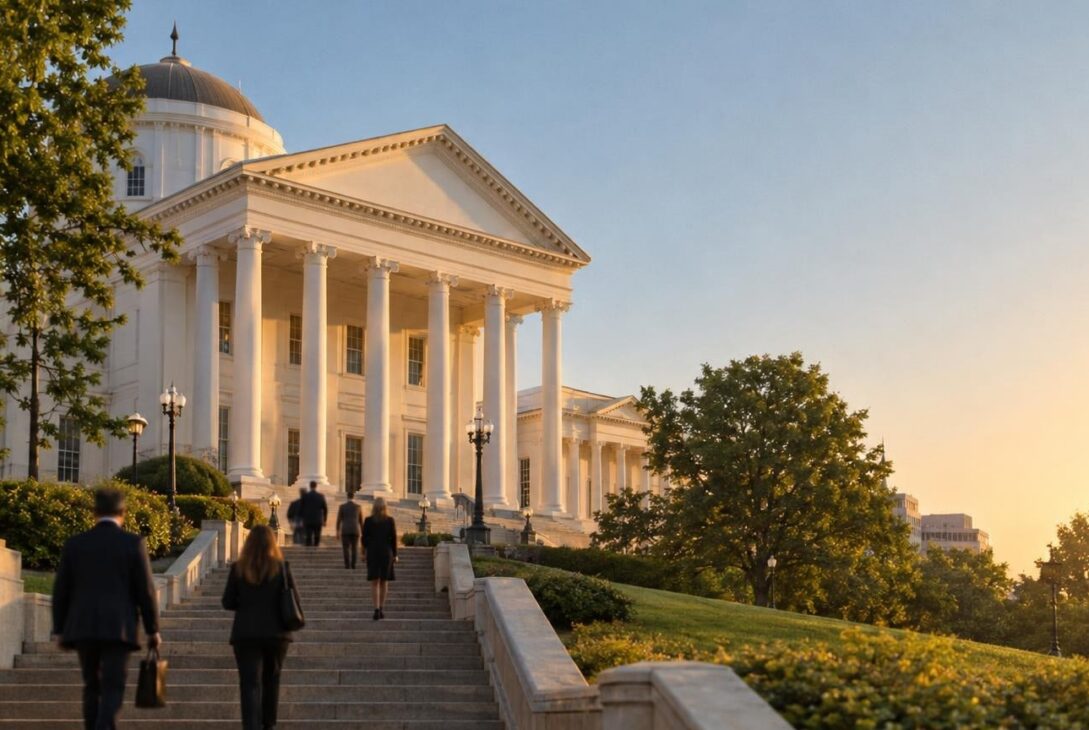
The Virginia cannabis sales amendment in state budget proposal has recharged budget talks. Senators and delegates now weigh timing, retail limits, and penalties for adult-use cannabis sales. However, a vetoed bill and competing start dates have made negotiations urgent. As a result, lawmakers must balance public safety concerns with industry access and tax revenue.
The push follows Gov. Abigail Spanberger vetoing earlier legalization bills this spring. Those bills would have launched retail sales on January 1, 2027, but the governor proposed July 1 instead. Because the sponsors Sen. Lashrecse D. Aird and Del. Paul Krizek sit on budget committees, they pressed the amendment. Therefore the coming weeks will determine whether reforms become law before the July 1 budget deadline.
Stakeholders from law enforcement and industry already voice split opinions about retailer caps and stronger penalties. Advocates say limits could stifle small businesses and perpetuate illicit markets, while supporters cite public safety. Because lawmakers have until July 1, every budget compromise could shape how and when Virginians can buy cannabis. We will explore the amendment’s details, fiscal impacts, and likely outcomes in the sections ahead.
Virginia cannabis sales amendment in state budget proposal
The Virginia cannabis sales amendment in state budget proposal would add adult-use cannabis rules to the budget. Additionally, it sets a sales start date, retailer limits, and tougher penalties. Sponsors Sen. Lashrecse Aird and Del. Paul Krizek filed it to reconcile a veto. They therefore aim to force a decision before July 1.
Impact of amendment on cannabis sales
The Virginia cannabis sales amendment in state budget proposal reshapes the market’s launch and regulatory guardrails. It adds an official start date, retailer limits, and tougher penalties for criminal behavior. As a result, businesses and regulators must prepare for a regulated adult-use market.
Because Governor Spanberger vetoed earlier legislation, negotiators folded cannabis language into the budget. The compromise delays retail sales to July 1, 2027, from the prior January 1, 2027 timeline. Officials also directed the Cannabis Control Authority to begin licensing and testing preparations.
The amendment caps initial retail licenses, which affects early market supply and competition. Therefore small operators may face higher entry barriers, while larger firms win scarce permits. Industry analysts predict phased growth, though an initial cap could sustain illicit sales without strong enforcement.
Fiscal impacts will vary because tax revenue depends on launch timing and retail density. Additionally, stronger penalties aim to improve public safety, but they may increase compliance costs.
Read the governor’s full release at Governor’s Newsroom and an industry summary at Ganjapreneur for details.
For context, see analysis of West Virginia medical cannabis tax allocation here, commentary on how legalization affects CBD businesses here, and a policy breakdown of potential legalization outcomes here. Together these resources illustrate regional regulatory trade-offs.
Virginia cannabis sales amendment in state budget proposal: What it means for consumers
The Virginia cannabis sales amendment in state budget proposal will change how Virginians buy adult-use cannabis. It sets a firm launch window and caps initial retailers, so product availability may stay tight at first. However, licensed stores promise safer products and regulated testing.
Consumers could gain legal access to tested flower, edibles, and concentrates, which improves safety. Because the amendment delays sales to July 1, 2027, buyers must wait longer for legal storefronts. Therefore early prices may stay high due to limited supply. Meanwhile vouchers or priority programs remain uncertain.
Potential challenges include fewer local shops and longer travel for shoppers. As a result, equity applicants and small entrepreneurs may struggle to compete. On the other hand, stronger penalties aim to reduce illegal markets, which could protect consumers. Ultimately, practical effects depend on license rollout and enforcement.
Keep tracking how timing, retailer caps, and compliance rules evolve before planning purchases. We will cover tax and pricing implications in the next section.
Pre-Amendment Regulations vs Post-Amendment Regulations
| Regulatory Point | Pre-Amendment Regulations | Post-Amendment Regulations |
|---|---|---|
| Sales start date | Original legislative bills set retail sales to begin January 1, 2027. | Amendment delays the launch to July 1, 2027, shifting revenue timing. |
| Sales limits | No single budget-level cap; some bills allowed broad licensing. | Caps initial retailer licenses and phases in more permits over time. |
| Legal age | Adult-use proposals set minimum age at 21 years. | Legal age remains 21; enforcement measures are clarified and strengthened. |
| Taxes | Tax proposals varied and depended on launch timing and rules. | Tax collection tied to the budget plan and delayed by the later start date. |
| Product types allowed | Proposed adult-use allowed flower, edibles, concentrates, and extracts. | Same product categories allowed, subject to labeling and testing rules. |
| Licensing process | Competitive licensing plus equity set-asides were proposed. | Authority must implement capped, phased licensing; equity details still pending. |
| Penalties and enforcement | Earlier bills had softer penalty frameworks in places. | Amendment increases penalties for certain criminal behaviors and violations. |
| Testing and safety | Testing standards were planned under regulatory authority guidance. | Testing remains required with clearer timelines and enforcement authority. |
| Consumer access and prices | Wider early access could lower illicit activity and prices. | Limited initial supply may raise early prices and require more travel. |
CONCLUSION
The Virginia cannabis sales amendment in state budget proposal brings major, near-term choices for lawmakers. It embeds adult-use rules in the budget, delays retail sales to July 1, 2027, caps initial retailer licenses, and raises penalties. As a result, timing, supply, and enforcement will shape early market dynamics.
Looking ahead, the amendment could stabilize public safety and testing standards, yet it may slow market entry and raise early prices. Equity programs and small operators may face hurdles, while larger firms could secure scarce permits. Therefore long-term growth depends on phased licensing, clear enforcement, and eventual expansion of retail access.
Stay informed as budget talks continue and implementation details emerge. For ongoing coverage and practical guidance, visit My CBD Advisor and check official agency releases and news updates regularly.
Frequently Asked Questions (FAQs)
What is the Virginia cannabis sales amendment in state budget proposal?
The amendment adds adult-use cannabis rules into the state budget. It sets a new sales start date, caps initial retailer licenses, and increases penalties for certain violations. Because sponsors folded it into the budget, lawmakers must act by July 1.
When will legal retail cannabis sales start in Virginia?
The amendment delays the launch to July 1, 2027, from the earlier January 1, 2027 target. Therefore tax revenue and licensed storefront openings shift later. However final timing depends on the budget vote and implementation steps.
Who can buy cannabis once sales begin?
Adults aged 21 and older will be allowed to purchase adult-use cannabis. Retailers must verify ID at point of sale. As a result, medical program rules remain separate and continue to apply to patients.
How will retailer caps affect access and prices?
Capped licenses will limit early store numbers and reduce initial product supply. Therefore consumers may see higher prices and longer travel distances. Over time, phased licensing should increase access and help lower prices.
Will the amendment improve safety and enforcement?
The plan strengthens testing and raises penalties for criminal behavior, so public safety should improve. At the same time compliance costs may rise for businesses. Consequently strong enforcement and clear rules will be key to reducing illicit sales.