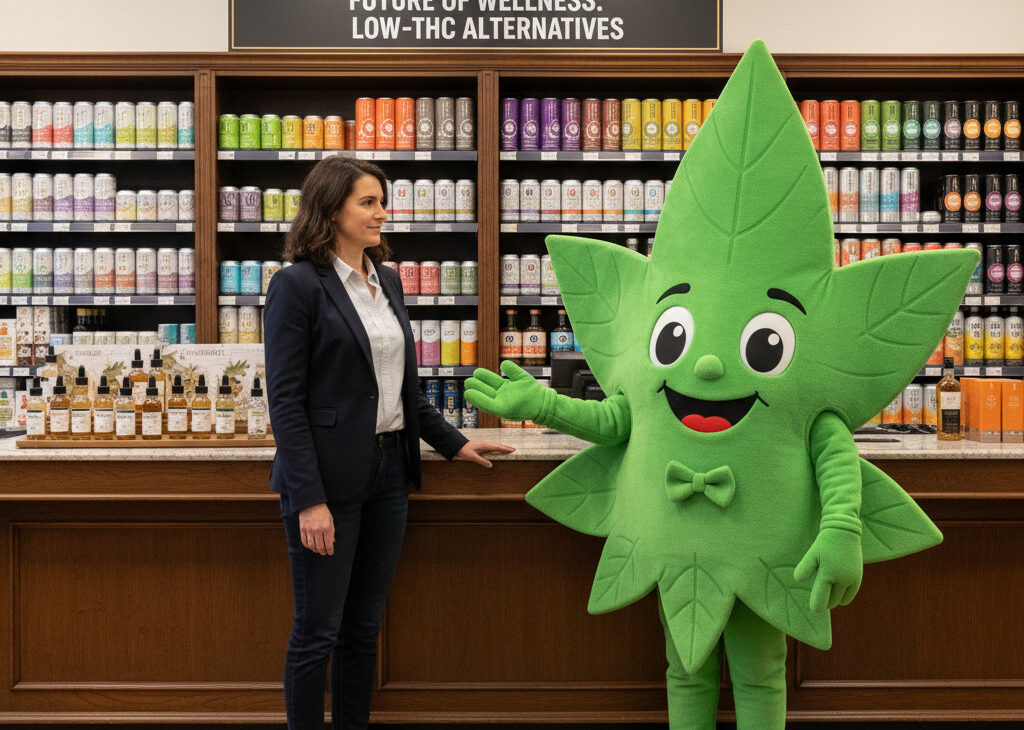
The New York Bill for Low-THC Beverages
The New York bill to allow sales of low-THC beverages at liquor stores marks a major regulatory shift. If passed, the measure would let licensed liquor retailers sell low-dose cannabis drinks to adults. Low-THC beverages typically contain five milligrams or less of THC and mimic other regulated drinks. Therefore, consumers seeking mild effects may find these products familiar and easy to use.
The bill would require permits for liquor stores and add a 13% tax on retail sales. Moreover, a portion of revenue would fund loans, grants, technical assistance, and enforcement against illicit operators. As a result, small businesses and social equity applicants could gain support for market entry. Policy advocates say this change could modernize New York’s adult-use cannabis market and improve compliance.
However, regulators will need clear rules to prevent diversion and protect public health, analysts warn. This article explains key provisions, implementation timelines, and potential market impacts for retailers and consumers. Read on to learn how the proposal could reshape beverage sales and equity programs in New York.
Understanding the New York bill to allow sales of low-THC beverages at liquor stores
Senator Jeremy Cooney introduced the bill known as S.9220 to expand retail access. The proposal aims to let licensed liquor retailers sell low dosage cannabis drinks. Low-THC beverages are single use drinks that contain five milligrams or less of THC. Therefore, they mirror other regulated beverage products while offering milder effects for consumers. The bill text and justification memo provide a full policy rationale and are available on the New York State legislative site at Bill S.9220 Document.
In scope, the measure focuses on permit based retail sales and market oversight. Liquor stores would need a specific permit to sell low potency cannabis beverages. In addition, the bill adds a 13 percent tax on retail sales and directs some revenue toward equity programs. As a result, loans, grants, technical assistance, and enforcement against illicit operators would receive funding. For reporting and context, see coverage at Ganjapreneur Coverage.
Key features and intended impact
- Retail permit requirement for off premises liquor and wine stores to sell low-THC beverages
- Product limit set at five milligrams of THC per single use container
- Additional 13 percent tax on retail sales of these cannabis drinks
- Revenue allocated to loans, grants, technical assistance, and enforcement against illicit operators
- Designed to support small businesses and social and economic equity applicants
- Takes effect six months after passage and is currently in committee review
Overall, this proposal seeks to modernize New York’s adult use cannabis market. It also aims to expand legal access, reduce illicit sales, and support small business growth through targeted funding.
Health and Safety Considerations for Low-THC Beverage Sales
The New York bill to allow sales of low-THC beverages at liquor stores raises public health questions that regulators must address. Low-THC drinks usually include CBD or hemp-derived ingredients and contain five milligrams or less of THC. Therefore, policymakers and retailers should prioritize clear labeling, testing, and age verification to protect consumers.
In addition, evidence on cannabinoid safety remains limited, so surveillance matters. For context, the Centers for Disease Control and Prevention offers public health guidance on marijuana at CDC Marijuana Guidance. The National Institute on Drug Abuse publishes research on effects at NIDA Marijuana Effects. As a result, regulators should set baseline rules before permitting widespread retail sales.
Recommended safety protocols
- Require third party laboratory testing for THC CBD potency and contaminants
- Mandate prominent labeling with THC per serving and total THC
- Use single use packaging with child resistant closures
- Enforce strict age verification and staff training for responsible sales
- Limit single use containers to five milligrams of THC or less
- Maintain supply chain traceability and a clear recall process
Health concerns to monitor
- Accidental ingestion by children or pets from attractive packaging
- Drug interactions with prescription medicines
- Impaired driving risk from cumulative dosing over time
- Mislabeling or adulteration from illicit or untested products
- Unknown long term effects of repeated low dose exposure
Therefore strong enforcement education and monitoring will be essential. Moreover the bill’s grants and technical assistance could help small retailers meet safety standards. Consequently consumer protections will determine whether expanded retail access advances public health and cannabinoid safety.
| State | Sales at liquor stores? | Age restriction | THC content limits (typical) |
|---|---|---|---|
| New York (proposed) | Would allow sales at licensed liquor stores with a permit | 21 plus | Single use containers limited to 5 mg THC |
| California | Generally no liquor store sales; sold at licensed cannabis retailers | 21 plus | 10 mg THC per serving; 100 mg per package |
| Colorado | No; sold at licensed cannabis retailers and dispensaries | 21 plus | 10 mg THC per serving; 100 mg per product |
| Oregon | No; sold at licensed cannabis retailers | 21 plus | 10 mg THC per serving; 100 mg per package |
| Illinois | No liquor store sales for recreational cannabis; hemp-derived products are regulated separately | 21 plus | State possession and product rules vary; regulators set limits |
Quick notes
- Regulations differ by state and change frequently, so consult state regulators for current rules.
- New York’s bill would be notable because it proposes a lower 5 mg single use limit and permit framework.
CONCLUSION
The New York bill to allow sales of low-THC beverages at liquor stores would reshape retail access and product rules. It proposes permits for liquor stores, a five milligram per serving cap, a 13 percent retail tax, and revenue for loans, grants, technical assistance, and enforcement. Therefore the measure aims to expand legal access while funding small businesses and social equity applicants. If passed, the bill would take effect six months after enactment.
Stay informed as the market evolves and policymakers refine implementation details. As a result, consumers, retailers, and advocates will benefit from clear rules, ongoing research, and practical compliance support.
Frequently Asked Questions (FAQs)
What does the New York bill to allow sales of low-THC beverages at liquor stores do?
The bill would let licensed liquor stores sell low-THC beverage products with a special permit. It caps THC at five milligrams per single use container. In addition it adds a 13 percent tax on retail sales. The measure directs some revenue to loans grants technical assistance and enforcement. For the full bill text see this link.
Who can buy these products and where will they be sold?
Adults aged 21 and older would be eligible to buy low-THC beverages. Stores must hold the new permit to sell the products. Therefore sales would be limited to controlled retail environments with trained staff.
What types of products qualify as low-THC beverages?
Qualifying items are single use drinks that contain five milligrams or less of THC. They often include CBD or hemp-derived cannabinoids as ingredients. As a result manufacturers must label THC per serving and show third party lab results.
What health and safety protections should consumers expect?
– Third party testing for potency and contaminants is essential
– Prominent labeling and child resistant packaging should be mandatory
– Age verification staff training and traceability help reduce diversion
– Consumers should watch for drug interactions and avoid driving after use
For context on health effects see this link and this link.
When could this change take effect and what comes next?
If passed the bill takes effect six months after enactment. Currently the proposal sits in committee and faces review and amendments. Consequently stakeholders should track hearings and regulatory rulemaking for final implementation.