West Virginia medical cannabis tax revenue allocation HB 5074
West Virginia medical cannabis tax revenue allocation HB 5074 proposes a new plan to use millions in unspent funds. Because the unspent medical cannabis tax revenue recently reached $38 million, the proposal has major budget implications. Lawmakers would allocate money to research grants, homeless prevention, and foster care programs.
However, critics worry the changes could divert funds from cannabis-specific purposes. Senators now consider the bill in the Senate Finance Committee, where debate will focus on who benefits. Supporters point to $10 million for ibogaine research at Marshall University and West Virginia University.
As a result, fiscal policy and public health priorities collide in a single proposal. Read on to learn how HB 5074 would reshape medical cannabis funding, who stands to gain, and next steps.
Moreover, the West Virginia Treasurer’s Office holds the funds until federal law changes recognize the program’s legality. Therefore, the outcome in the Senate could affect research grants, homeless services, and foster care pilots.
West Virginia medical cannabis tax revenue allocation HB 5074: breakdown and beneficiaries
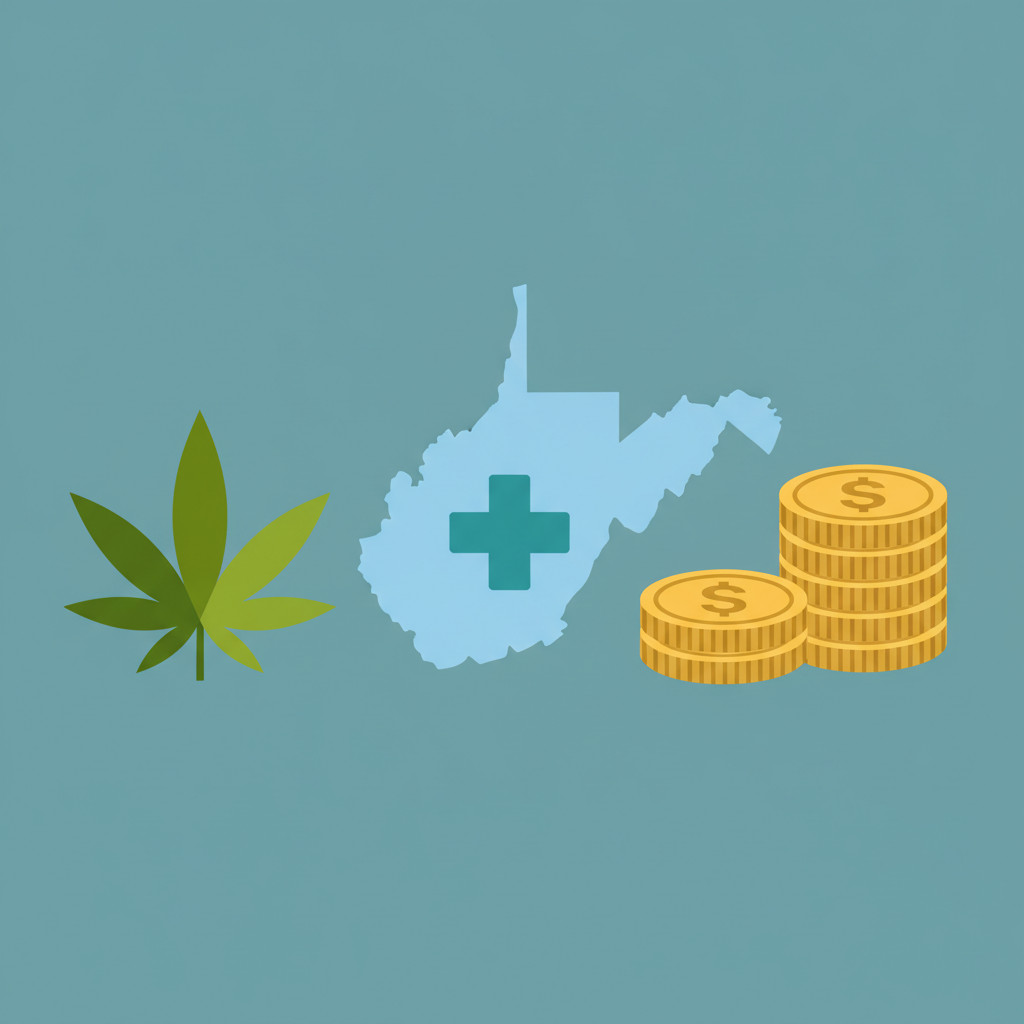
The House passed HB 5074 to allocate unspent medical cannabis tax revenue that reached about $38 million. Because the funds have sat idle, the bill would direct the money to specific programs. Lawmakers hope this move will turn a stalled balance into tangible state investments.
The West Virginia Treasurer’s Office previously held the funds because of federal legal uncertainty. However, the House vote and subsequent reporting pushed the issue back into public view. For more detail on how officials moved the funds and the debate that followed, see the coverage at Mountain State Spotlight.
Key allocations under HB 5074
- $10,000,000 for research grants shared by Marshall University and West Virginia University to study ibogaine as a potential treatment for mental illness. The aim is to support clinical and translational research and expand treatment options.
- $5,000,000 for homeless prevention programs. These funds would support housing stability and crisis intervention grants in communities across the state. As a result, advocates expect more rapid responses to homelessness triggers.
- $3,000,000 to fund the Child Protection Commission and a state foster care pilot program. Therefore, the money would bolster child welfare services and program evaluations.
In addition to those line items, the bill directs lawmakers to account for administrative costs. Moreover, HB 5074 would establish reporting and oversight to track outcomes. The intent is to ensure funds reach their stated purposes and produce measurable benefits.
Supporters say the allocations fund immediate needs and strategic research. However, critics worry the plan diverts money from cannabis program operations and long term cannabis-specific priorities. For the original legislative report and coverage of the House vote, refer to Ganjapreneur.
Next steps
The proposal now sits in the Senate Finance Committee, where senators will debate and possibly amend it. Consequently, the final distribution could change before enactment. Either way, HB 5074 would mark a major shift in how West Virginia uses its medical cannabis tax revenue.
| State or Law | Key allocation categories | Example percentage or dollar amount | Notes and source |
|---|---|---|---|
| West Virginia HB 5074 | Research grants (ibogaine) $10,000,000; Homeless prevention $5,000,000; Child Protection Commission/foster care $3,000,000; Other/unspecified | Of the reported $38,000,000 unspent: Research 26.3%; Homeless 13.2%; Child protection 7.9%; Other 52.6% | Allocations named in HB 5074. Source: Mountain State Spotlight |
| California Proposition 64 | Youth education and prevention; environmental remediation; public safety and local programs | 60% youth programs; 20% environmental; 20% public safety | State budget and Prop 64 distribution details. Source: California enacted budget summary |
| Oregon Measure 91 / Measure 110 changes | State School Fund; mental health and addiction services; state police; cities and counties; drug treatment and recovery funds | Under Measure 91: School fund 40%; Mental health 20%; State police 15%; Cities/counties 20%; OHA 5% | Distribution revised after Measure 110. Source: Oregon Dept of Revenue distribution summary |
| Colorado (retail and excise taxes) | Public school construction (excise); Marijuana Tax Cash Fund for regulation, behavioral health, law enforcement | Excise tax largely funds school capital; large share of sales tax flows to Marijuana Tax Cash Fund and other state accounts | See Colorado legislation and allocations: HB26-1409 and related bills |
West Virginia medical cannabis tax revenue allocation HB 5074: impact on industry and community
HB 5074 would rechannel roughly $38 million in unspent medical cannabis tax revenue. Because the bill targets research and social services, it could shift priorities in West Virginia’s cannabis landscape. Supporters say the money creates new funding for science and vulnerable residents. However, industry stakeholders warn of downsides.
Positive impacts
- Research funding: The bill sets aside $10,000,000 for ibogaine studies at Marshall University and West Virginia University. As a result, researchers gain predictable support for clinical work and innovation.
- Social services: The $5,000,000 for homeless prevention and $3,000,000 for foster care programs would expand direct services. Therefore, communities could see faster responses to urgent needs.
- Public legitimacy: Allocating funds to health and welfare may build broader public support for the medical program.
Challenges and concerns
- Program funding gaps: Critics fear diverting cannabis tax revenue could starve program operations and regulation. For example, fewer resources could slow licensing or patient outreach.
- Unclear long term priorities: Because HB 5074 repurposes unspent money, some lawmakers argue it changes the original tax framework. Senator Mike Woelfel said, “I felt like we had a pretty good balance before… I don’t want to waste the money on something not dedicated to cannabis.” This quote reflects a larger debate over intent and oversight.
- Federal uncertainty: The Treasurer’s Office earlier held funds pending federal legal changes, which complicates timing and access.
For reporting on the House vote and fund status, see Mountain State Spotlight and Ganjapreneur.
Overall, HB 5074 offers clear public benefits, but it also raises tradeoffs for the state’s cannabis industry and regulators.
Conclusion: West Virginia medical cannabis tax revenue allocation HB 5074
HB 5074 would repurpose roughly thirty eight million dollars in unspent medical cannabis tax revenue. Because the bill targets research and social services, it offers clear public benefits. However, it also creates tradeoffs for industry funding and regulation.
As a result, stakeholders should watch the Senate Finance Committee and any amendments closely. Moreover, transparency and reporting will determine whether the funds meet their intended goals. Therefore, staying informed matters for patients, providers, and taxpayers. Experts and industry groups will weigh in during the next stages.
For reliable cannabinoid information and policy updates, consult MyCBDAdvisor: MyCBDAdvisor offers clear guidance on cannabinoids, regulations, and research. We will update our coverage as decisions unfold.
Frequently Asked Questions: West Virginia medical cannabis tax revenue allocation HB 5074
What is West Virginia medical cannabis tax revenue allocation HB 5074?
HB 5074 is a House bill that directs unspent medical cannabis tax revenue. The bill targets roughly $38 million held by the state Treasurer. It would allocate funds to research, homeless prevention, and child welfare. Specifically, it names $10 million for ibogaine research, $5 million for homeless prevention, and $3 million for a foster care pilot. The bill also includes oversight and reporting requirements.
How will the $38 million be broken down under HB 5074?
The bill lists specific line items. First, $10,000,000 goes to research grants at Marshall University and West Virginia University. Second, $5,000,000 funds homeless prevention programs. Third, $3,000,000 supports the Child Protection Commission and a foster care pilot. The remaining balance would cover administrative costs or other unspecified priorities. Lawmakers could amend these numbers in the Senate.
Who benefits from West Virginia medical cannabis tax revenue allocation HB 5074?
Intended beneficiaries include researchers, patients, and vulnerable residents. Research teams gain funding for ibogaine studies and clinical work. Homeless prevention providers receive grants for housing and crisis services. Child welfare programs would expand pilot services. However, cannabis businesses and patients could feel indirect effects if program budgets shrink.
Will HB 5074 affect the medical cannabis program’s operations?
Potentially yes. If funds shift from program reserves, regulators might face smaller budgets. As a result, licensing, enforcement, and patient outreach could slow. Conversely, clearer oversight could improve fund use. Federal legal uncertainty also affects timing and access to the money.
What are the next steps and how can I stay informed?
The bill moved to the Senate Finance Committee for review. Senators may amend the proposal before a vote. Therefore, outcomes could change over several weeks. To stay updated, follow local reporting and trusted resources for policy and research updates.