Introduction
This article examines the media framing of teen cannabis use and legalization and why it matters now. Across headlines, reporters often link legalization to youth spikes. However, data trends tell a different story. Because stories shape policy, misframing can harm prevention efforts.
Today, few topics fuse public health, law, and youth culture so tightly. Recent coverage focuses on vape pens and alarming anecdotes. Yet national studies show teen use has declined or leveled, not surged. Therefore, readers and policymakers must separate surveillance from causation. This distinction matters for regulators, parents, and public health advocates. We challenge sensational claims and argue for data-driven conversations.
In this piece we unpack headlines, review evidence, and critique framing. We will cover Monitoring the Future trends, JAMA findings, and policy responses. As a result, you will get clearer guidance. Along the way, we suggest reporting practices that reduce stigma and clarify risk. Ultimately, accurate framing supports effective prevention and smarter regulation. Read on to learn how accurate reporting can protect kids and improve policy.
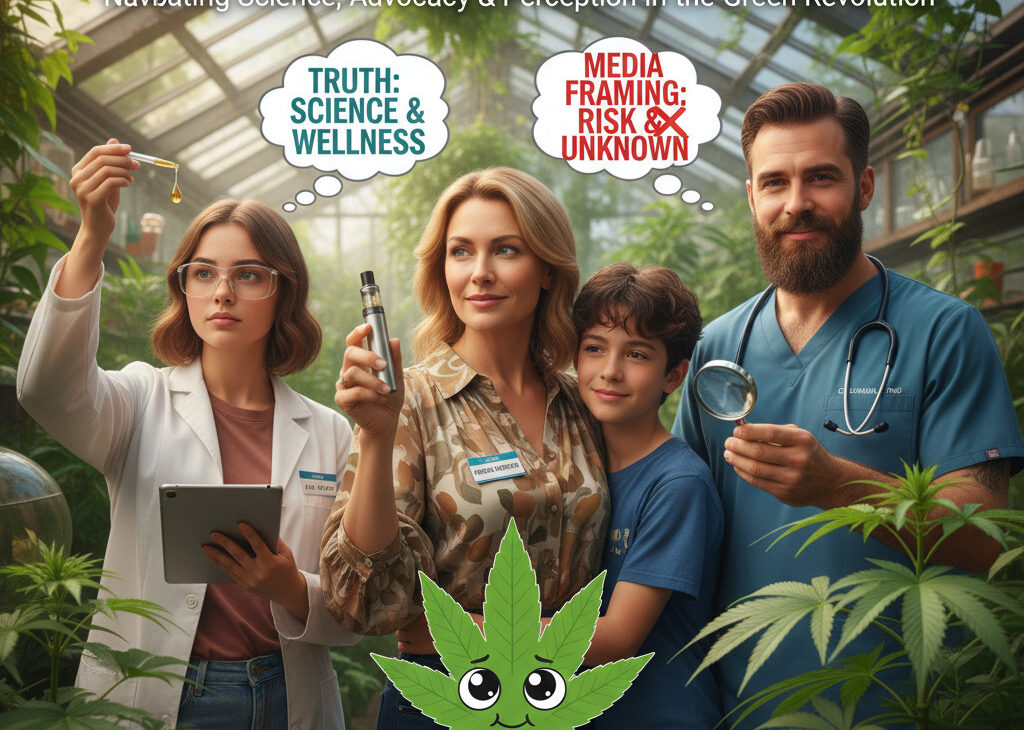
How media framing shapes perception
The media framing of teen cannabis use and legalization drives how the public and policymakers interpret youth trends. Because headlines simplify complex data, they often create a sense of crisis. However, careful analysis shows that framing choices change perceived cause and effect.
Key ways media framing affects perception
- Sensational headlines increase perceived risk. For example, stories that link vape pens to legalization suggest cause, yet national studies do not support that claim. See the JAMA Psychiatry review that found no evidence recreational laws raised teen use: JAMA Psychiatry review.
- Anecdotes replace trend data. Reporters use vivid cases because they resonate, but as a result readers generalize from rare incidents. Therefore, policymakers may push reactive rules that miss real drivers of youth use.
- Device focus obscures behavior. Media focus on THC vapes suggests a new epidemic. Yet Monitoring the Future data show declines in many youth use measures, which NIDA summarized: NIDA summary.
Relevant research and facts
- Monitoring the Future and University of Michigan surveys show lower past-year use among many grades. For details, visit Monitoring the Future: Monitoring the Future.
- A 2024 JAMA Pediatrics analysis found no net increases in adolescent cannabis or other substance use tied to legalization or retail sales: JAMA Pediatrics analysis.
- Historical data indicate lifetime cannabis use rose in the 1990s, peaked in 1999, then declined through 2023. Therefore, long trends matter more than momentary signals.
What reporters and readers should remember
- Don’t confuse surveillance with causation. As Javier Hasse argued, “The device changed. The behavior didn’t. The data didn’t cooperate.” Moreover, critics warn, “Don’t pretend vape pens invented adolescent mischief.”
- Reporters should pair anecdotes with trend citations. Then, policymakers can craft targeted guardrails that protect youth without misleading the public.

Image source: https://mycbdadvisor.com/wp-content/uploads/2026/06/img-media-influence-teens-cannabis.jpg
Impact of Legalization on Teen Perceptions and Behavior
The media framing of teen cannabis use and legalization reshapes how young people and adults view risk. Because news emphasizes devices and anecdotes, perceptions can shift faster than behavior. However, evidence shows attitudes and use do not always move together.
Key insights
- National trends show declines in use. For example, 12th grade past-year use fell to 26.0% in 2024 from 35.7% in 2019. Similarly, 8th graders dropped to 7.0% from 11.8%. These long trends matter more than single stories.
- Robust studies find no causal link between legalization and higher teen use. For instance, a 2024 JAMA Psychiatry review found no evidence recreational laws raised teen use source.
- Another large analysis in JAMA Pediatrics found no net increases in adolescent cannabis or other substance use tied to legalization or retail sales source.
- Perception gaps persist. Because media attention focuses on THC vapes, parents often overestimate youth prevalence. Consequently, public anxiety can rise even while rates fall.
- Policy effects vary. Regulation, age checks, and packaging rules can reduce youth access. Therefore, legalization combined with strong guardrails often lowers risks.
How attitudes change
Surveys show mixed shifts in attitudes after legalization. However, perceived harm sometimes declines among teens, which could increase experimentation for some. Yet Monitoring the Future and University of Michigan data indicate overall use declined or held steady source. As Javier Hasse warned, “The device changed. The behavior didn’t. The data didn’t cooperate.” This quote reminds reporters to distinguish tools from trends.
Risks and realities
Short term risks include impaired driving and acute intoxication with high potency products. Long term risks include dependency in vulnerable youth. Therefore, prevention should target adult access and social supply. As a result, accurate reporting and evidence-based regulation remain crucial to protect teens from harm.
Media framing of teen cannabis use and legalization: comparative frames
| Media frame | Typical message | Effect on public opinion | Likely effect on teen behavior | Related keywords |
|---|---|---|---|---|
| Moral panic | Cannabis portrayed as social decay and immediate threat to youth. | Raises alarm and calls for strict policing. Therefore voters favor bans. | May increase fear but can stigmatize users. Evidence does not show large use rises. | teen cannabis use, moral panic, public fear |
| Health risk focus | Emphasizes harms, potency, and long term effects. | Increases perceived risk and support for prevention. However, it can cause confusion if mixed with weak evidence. | Can reduce experimentation if messages are clear and evidence-based. | health risks, THC vapes, youth mental health |
| Normalization | Frames cannabis as accepted adult product after legalization. | Lowers perceived harm and may soften resistance to legalization. | May slightly lower perceived risk, possibly increasing curiosity. Long-term data show mixed results. | normalization, cannabis legalization, risk perception |
| Device sensationalism | Focuses on vape pens and novel delivery systems. | Creates sense of a new epidemic. However, surveillance may be mistaken for causation. | Shifts attention to devices rather than behavior. As a result, policy may target packaging and age checks. | vape pens, THC vapes, surveillance vs causation |
| Contextual, data-driven reporting | Uses trends, studies, and balanced sources. | Builds informed public debate and realistic policy priorities. | Tends to support targeted prevention. Evidence-based guardrails reduce youth access. | Monitoring the Future, JAMA Psychiatry, evidence-based policy |
Conclusion
The media framing of teen cannabis use and legalization shapes public debate more than many realize. When reporters emphasize devices, anecdotes, or moral panic, readers hear crisis. However, national data and peer reviewed studies tell a more measured story. Therefore, consumers and policymakers should demand context, trends, and careful causal claims.
Key takeaways include clear facts. First, long term surveys show declines or stable teen use across grades. Second, 2024 reviews in JAMA Psychiatry and JAMA Pediatrics found no evidence that recreational laws increased adolescent use. Third, device coverage can confuse surveillance with causation, which misdirects prevention efforts. As a result, accurate reporting leads to better policy choices.
For policymakers the lesson is simple. Base rules on evidence, not headlines. Use age checks, packaging guardrails, and targeted prevention to reduce youth access rather than broad punitive measures. For families, separate fear from facts and support open conversations about risks.
Ultimately, better framing protects youth. Accurate journalism reduces stigma, clarifies risk, and helps shape policies that actually keep teens safer. If the goal is prevention, insist on truth in headlines and rigor in reporting.
Frequently Asked Questions (FAQs)
Does cannabis legalization increase teen cannabis use?
Large studies show no clear causal link between legalization and higher teen use. Therefore policymakers should focus on guardrails and prevention.
How does media framing affect public perception of teen cannabis use?
Sensational headlines and device focus increase perceived risk. However, anecdotes can distort long term trends and mislead policy.
Are vape pens responsible for a new wave of teen use?
No. However, the device changed, but behavior largely did not. Surveillance often looks like causation when it is not.
What can parents and policymakers do to reduce teen cannabis use?
Use age checks, safe storage, and targeted prevention. Because adult access drives much youth supply, limit those pathways.
How do I spot balanced reporting on media framing effects?
Therefore, look for trend data, peer reviewed studies, and multiple expert sources. Avoid stories that rely only on vivid anecdotes.