Introduction
Tightening hemp rules across Ohio, Texas, and South Carolina are reshaping the industry overnight. Lawmakers in these states acted this spring, and the changes carry real stakes for growers, retailers and consumers. Additionally, businesses that sell CBD beverages, THC drinks, edibles, gummies or smokable hemp now face new limits and uncertain futures.
However, the states took very different approaches. Ohio moved to ban intoxicating hemp products and curb THC beverages. Texas redefined total THC by counting THCA, and it added steep annual fees for retailers and manufacturers. South Carolina adopted a containment strategy. It allows low dose THC drinks behind the counter, moving stronger products to liquor stores.
As a result, operators worry about shortages, closures and a shift to the illicit market. Because these rules touch licensing, retail structure and product definitions, the ripple effects will be broad. This article unpacks the new statutes and the legal fights in each state. It also explains the market consequences, so readers can see who stands to lose and who may adapt.
Tightening hemp rules across Ohio, Texas, and South Carolina — Ohio’s changes
Ohio moved quickly this spring to ban intoxicating hemp products. The state law, effective March 20, forbids THC and CBD beverages and removes a legal sales pathway for many hemp-derived drinks. As a result, retailers and craft brewers had to pull products from shelves immediately. For background, see reporting from CityBeat.
Lawmakers and regulators framed the ban as a public safety fix. Because officials said unregulated intoxicating hemp reached minors, they sought clearer authority over product definitions and sales. Governor Mike DeWine and the Division of Cannabis Control defended the changes, arguing the state needed stronger compliance tools. For the state position, see WOSU reporting.
The impact on hemp growers, processors and consumers will be substantial. Litigation from Saucy Seltzer, Uncle Arnie’s and others seeks emergency relief. Meanwhile, Fifty West Brewing challenged a veto related to THC beverage sales, and courts have already weighed in. Read coverage of the legal fights at Cleveland19.
Key points at a glance
- Ohio banned intoxicating hemp beverages and many THC drinks. Therefore, on‑shelf availability fell fast.
- The law affects thousands of businesses, including growers and licensed processors. As a result, supply chains face disruption.
- Compliance now demands tighter product testing and clearer labeling rules, which raises costs for operators.
- Because litigation is active, outcomes remain uncertain. However, some companies already paused Ohio operations.
- Consumers may see fewer legal options and a potential push toward illicit markets or out‑of‑state purchases.
This section uses hemp regulation, hemp growers, state law changes and compliance as focus terms to explain the Ohio shift.
Tightening hemp rules across Ohio, Texas, and South Carolina — Texas and South Carolina updates
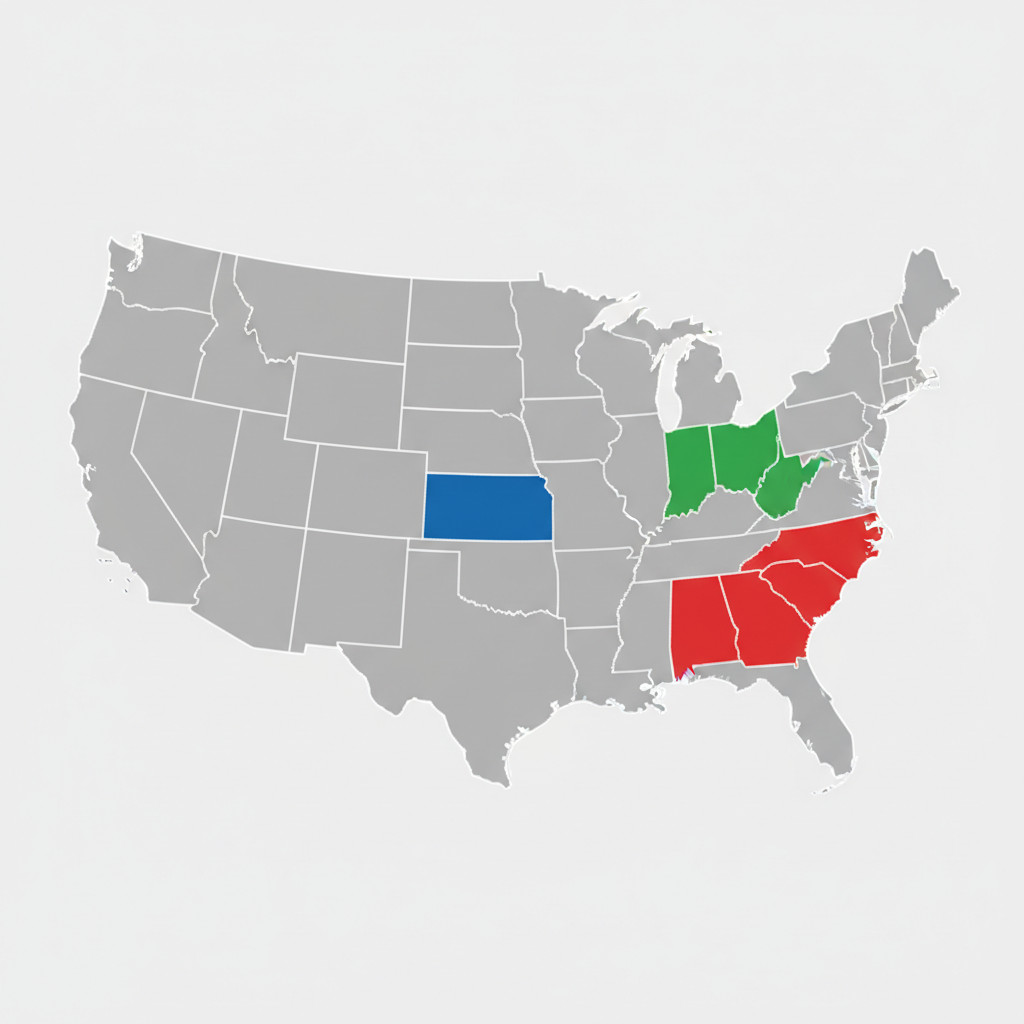
Texas moved to tighten consumable hemp rules effective March 31, 2026. The Texas Department of State Health Services now counts THCA when calculating total THC. As a result, most smokable hemp products and extracts face an effective ban. See the DSHS rule for details: here.
Texas also raised annual fees sharply. The state set fees at five thousand dollars per retail location and ten thousand dollars per manufacturing facility. Therefore, small shops and craft operators face steep new costs. Local reporting shows many Texas retailers rely heavily on smokable hemp sales. For coverage, see KSAT: here and analysis at Texas Health Law: here.
South Carolina chose a containment model. The Senate passed a compromise that allows 12 ounce, low dose beverages with up to five milligrams of THC to sell behind the counter. However, stronger drinks and gummies would move to licensed liquor stores. The House later rejected the framework, leaving regulation uncertain. Read reporting at South Carolina Public Radio: here and WIS-TV: here.
Key drivers behind the rules
- Public safety concerns about youth access and unregulated intoxicating products. Therefore, states prioritized stricter controls.
- Aiming for regulatory clarity after the 2018 Farm Bill left gaps. Because of that, states wrote narrower product definitions.
- Revenue and enforcement funding via licensing and fees. As a result, regulators can expand testing and oversight.
- Pressure from local businesses and health groups pushed different solutions in each state.
How the approaches differ
- Texas went after smokables and raised fees. This hits retailers that depend on THCA flower.
- South Carolina limited low dose drinks but kept a retail path for some products.
- Ohio opted for a broad ban on intoxicating hemp beverages, ending many in‑state sales.
Comparison table: Ohio versus Texas versus South Carolina
| State | Tightening rules | Penalties and fees | Compliance requirements | Market impact |
|---|---|---|---|---|
| Ohio | Ban on intoxicating hemp products and THC/CBD beverages | Potential enforcement actions; litigation ongoing | Tighter testing and labeling; removed sales pathway for many drinks | Thousands of businesses affected; supply chain disruption |
| Texas | Counts THCA in total THC, de facto ban on smokables; consumable rules | Annual fees: $5,000 retail, $10,000 manufacturing | COA testing, cannabinoid profiling, lab uncertainty reporting | Large retailer disruption; legal challenges; possible shortages |
| South Carolina | Compromise allows ≤5 mg THC drinks behind counter; stronger items to liquor stores | Retail restrictions; DUI rules tied to THC levels | Restricted retail structure; behind counter sales for low dose drinks | Segmented market; on‑premises bans; regulatory uncertainty |
This section uses hemp regulation, smokable hemp, THCA, edibles and licensed retailers as keywords to explain regulatory contrasts.
Comparison at a glance
Below is a side-by-side comparison of state actions and their likely effects. Therefore, operators can use this as a quick reference. However, the legal picture remains fluid.
| State | Key Regulatory Changes | Enforcement Actions | Compliance Requirements | Impact on Industry |
|---|---|---|---|---|
| Ohio | Ban on intoxicating hemp products and THC/CBD beverages | Enforcement orders and active litigation; civil penalties possible | Stricter testing and labeling; removed sales pathways for many drinks | Thousands of businesses affected; shelf removals; supply chain disruption |
| Texas | Counts THCA in total THC; effective ban on smokables; new consumable rules | Enforcement under DSHS; fines and license actions; steep annual fees | Certificate of analysis testing; cannabinoid profiling; annual fees: $5,000 retail, $10,000 manufacturing | Retail closures likely; small shops face high costs; potential shortages |
| South Carolina | Allows low dose drinks ≤5 mg THC behind counter; stronger items moved to liquor stores | Retail restrictions and separate retail streams; enforcement varies by locality | Behind counter sales for low dose drinks; separate retail structure; age verification and labeling | Segmented market; bars and restaurants blocked from on-premise sales; regulatory uncertainty |
Conclusion
Tightening hemp rules across Ohio, Texas, and South Carolina create immediate choices for industry participants. As a result, Ohio’s broad ban removed many intoxicating hemp drinks. Consequently, Texas targeted smokables and added steep fees. Meanwhile, South Carolina limited low-dose drinks behind counters. These shifts signal state-level fragmentation and regulatory uncertainty.
For hemp growers, processors and retailers, compliance costs will rise and market access will shrink. Some businesses may consolidate or exit. Consumers could face reduced legal options and higher prices. Because litigation and rulemaking continue, stakeholders must monitor updates closely.
Act now: review operations, update compliance plans and connect with legal counsel. The market is changing fast, and preparation will matter.
Frequently Asked Questions (FAQs)
What changed when states started tightening hemp rules across Ohio, Texas, and South Carolina?
– Ohio banned intoxicating hemp products, including many THC and CBD beverages, effective March 20. Therefore, many on‑shelf drinks were removed.
– Texas now counts THCA in total THC calculations, which effectively bans most smokable hemp and extracts. Additionally, the state imposed steep annual fees for retail and manufacturing.
– South Carolina adopted a containment model. It permits low dose drinks up to 5 milligrams behind the counter while moving stronger items to liquor stores.
How will these rules affect hemp growers and processors?
– Expect tighter compliance and more testing requirements, which raises operating costs.
– Some growers may lose local buyers for smokable flower or extract products. As a result, inventory may backlog.
– Processors face new labeling rules and altered product specifications. Consequently, many will need to reformulate or relabel products.
What should retailers and small shops do now to stay compliant?
– Audit inventory immediately and remove banned items from shelves.
– Update standard operating procedures for age verification and product tracking.
– Secure current certificates of analysis and work with labs for cannabinoid profiling.
– Consult legal counsel and industry groups for fast guidance.
Can consumers still buy hemp edibles and low dose drinks?
– In Ohio, most intoxicating hemp drinks are banned, reducing legal options.
– In Texas, most edibles remain legal, but smokables are effectively banned.
– In South Carolina, low dose drinks under 5 milligrams can stay behind the counter; stronger items move to liquor stores.
Are there penalties, legal risks, or active lawsuits?
– Yes. Ohio faces active litigation from companies seeking emergency relief. Therefore, outcomes remain uncertain.
– Texas enforces new fees and licensing rules that can lead to fines and license actions.
– South Carolina’s retail structure carries local enforcement differences, so risks vary by locality.
If you operate in these states, monitor rulemaking closely and revise compliance plans. Because the landscape is evolving, quick action protects business continuity.