
State Medical Cannabis Reform: Mississippi, Indiana and Nebraska Policy Updates Explained
The wave of state medical cannabis reform is reshaping patient access and industry rules across Mississippi, Indiana and Nebraska. Because laws differ, patients and providers face uncertainty about products, standards, and clinical care.
Mississippi recently moved to remove THC potency caps for tinctures, oils, and concentrates while preserving a 30 percent flower limit. Lawmakers also shortened medical ID card durations and expanded caregiver background checks to better regulate access, including availability of high-THC products like Rick Simpson Oil, even as some ID rules shortened and caregiver ID windows stayed capped.
However, Indiana leaders say they remain open to carefully crafted medical reforms as public support grows, and Nebraska legislators passed protections so doctors can recommend cannabis without losing licensure, although they still debate implementation timelines and standards, which will determine how quickly clinics, pharmacies, and caregivers adapt.
Together, these policy shifts could improve access, support research, and change standards of care.
History of state medical cannabis reform: milestones, public opinion and policy shifts
State medical cannabis reform began as a niche, patient-driven movement. By the 1990s, advocates won initial ballot measures. As a result, early programs in California and other states set models for access and research. Over time, lawmakers adopted new medical cannabis reform bills and right-to-try provisions to expand care.
Key milestones
- 1996 California Proposition 215 established medical access and inspired reform efforts nationwide.
- Early 2000s states created registration cards, caregiver rules, and limited product types and potency.
- 2010s saw growing public support and more state-level research exceptions.
- 2020s states removed potency limits and adjusted ID card rules to improve access. For example, Mississippi debated removing THC caps for tinctures and oils, allowing high-THC products like Rick Simpson Oil (see Ganjapreneur).
Public opinion and professional protections
Public support rose steadily, and surveys began showing majority backing. For instance, Ball State Bowen Center polling influenced Indiana debate. However, lawmakers worried about rogue practitioners. Therefore, Nebraska advanced protections so doctors can recommend cannabis without losing licensure (Nebraska Public Media).
Related policy notes and resources
- Cannabis reform now spans medical access, THC potency limits, caregiver background checks, and program regulation.
- For broader legal context and referendum lessons, see Ohio hemp and cannabis referendum coverage at Ohio hemp and cannabis referendum and policy analyses like CBD policy uncertainty in Washington and Maine cannabis repeal ballot. These articles show how state-level decisions shape patient access, industry standards, and future reform.
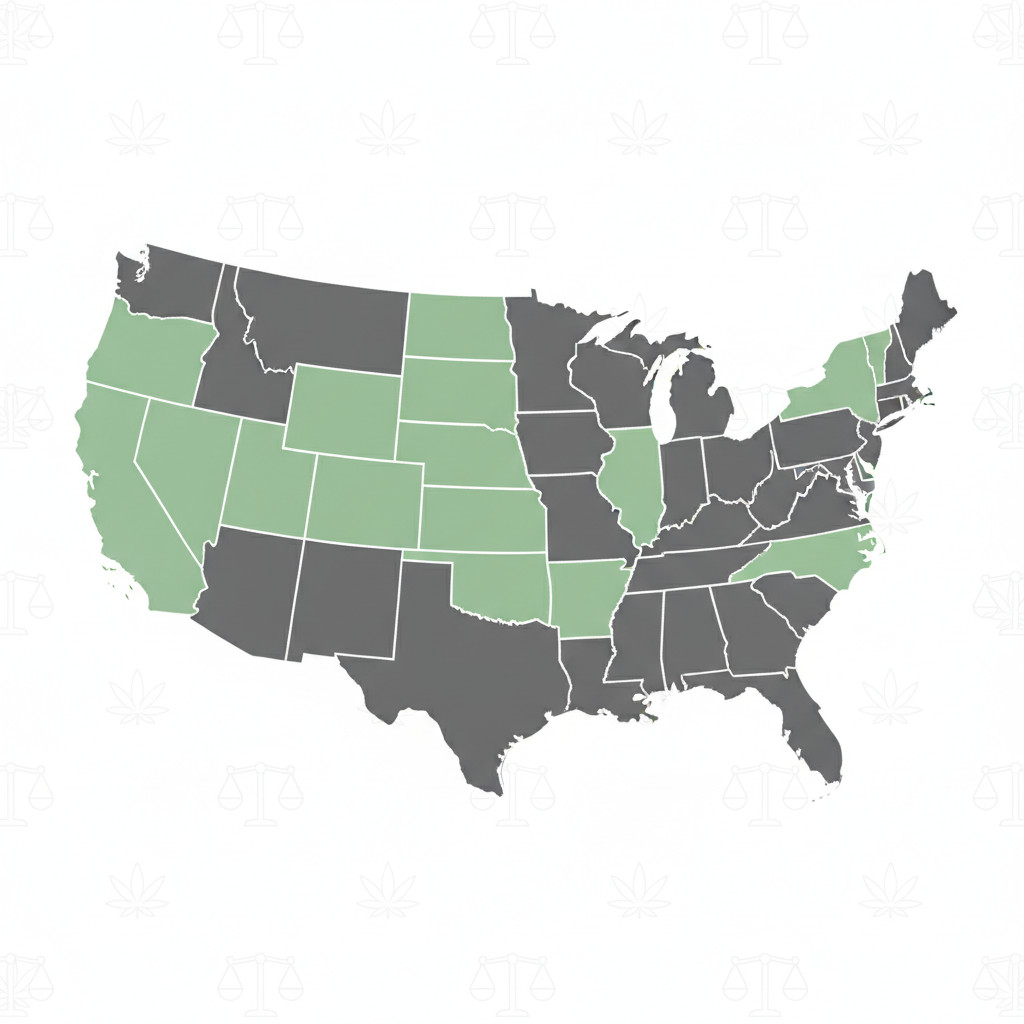
Quick overview
State medical cannabis reform is accelerating as states update rules on potency, ID cards, and provider liability.
Key trends
- Legislative updates: States are removing THC potency limits for tinctures, oils, and concentrates while some keep flower caps.
- Provider protections: Lawmakers add safeguards so doctors can recommend cannabis without risking licensure, which encourages clinical participation and research.
- Public support and research focus: Polling shows steady backing, and states use reform to expand study exceptions and data collection.
Implications for patients and industry
- Patient access: Removing potency caps and updating medical cannabis ID cards and caregiver background checks increases therapeutic options for treatment resistant conditions.
- Industry adaptation: Manufacturers must change formulations, labeling, and testing to meet evolving state medical cannabis reform and compliance standards.
- Equity and standards: Reforms nudge states toward harm reduction, standard clinical guidelines, and better patient data to inform policy.
Therefore, state medical cannabis reform is shaping access, care standards, and market practices across states.
| State | Qualifying conditions | Possession limits | Home cultivation | Patient registry | Recent reforms or notes |
|---|---|---|---|---|---|
| Mississippi | Medical program with defined qualifying conditions | Limits vary by product; flower capped at 30% THC | Home cultivation generally restricted | Mandatory patient ID cards; now 1 year validity | Senate removed THC caps for tinctures oils concentrates; caregiver background checks increased to 2 years; ID card duration shortened |
| Indiana | No statewide medical cannabis program currently | Cannabis remains illegal for general use | Home cultivation illegal | No patient registry | Gov. Mike Braun open to reform; Ball State polling shows about 60% support |
| Nebraska | Limited legislative action; program not widely implemented | Legal status varies; providers may be protected | Home cultivation restricted or prohibited | No established program registry | Legislature voted 30-7 to protect doctors who recommend cannabis; bill pending further debate |
| Typical state program | Broad or narrowly defined qualifying conditions | Possession limits set by state or product type | Many allow limited home cultivation | State-run patient registry common | Trends include removing THC potency caps, updating caregiver rules, and adding provider protections |
Conclusion
State medical cannabis reform is changing care, industry practices, and public policy across the country. Patients gain broader product choices and clearer access pathways. Therefore, more clinicians may recommend cannabis with reduced legal risk. As a result, manufacturers and dispensaries must update compliance and product lines to match new rules.
Reforms also shift social priorities toward equity and research. However, states still vary on potency caps, caregiver rules, and registry terms, which affects patients differently. Policymakers should monitor outcomes and adjust standards based on evidence.
Overall, sensible reform improves patient options and supports safer industry growth. With continued oversight, reforms can promote access, safety, and scientific study. Stakeholders should engage patients and researchers in policy design. Then states can craft evidence-based laws that protect patients.
Frequently Asked Questions (FAQs)
What is state medical cannabis reform?
State medical cannabis reform updates laws that govern medical use. It changes access rules, potency limits, and provider protections. As a result, reforms aim to improve patient safety and treatment options.
How do reforms affect patient access?
Reforms can expand product choices and simplify registration. For example, removing THC caps for tinctures or oils lets patients try stronger therapeutic options. However, ID card rules and caregiver checks can still vary by state.
Will doctors face legal risk for recommending cannabis?
Many states now add provider protections. Therefore, doctors who follow standards of care can recommend cannabis with less fear of license loss. Nebraska recently advanced such protections for clinicians.
How will the industry respond?
Businesses must update compliance and develop new formulations. In addition, retailers will adjust labeling and testing to meet evolving state rules.
How can patients stay informed?
Check state health websites and talk to licensed providers. Also follow reputable policy blogs and local legislative updates for changes near you.