
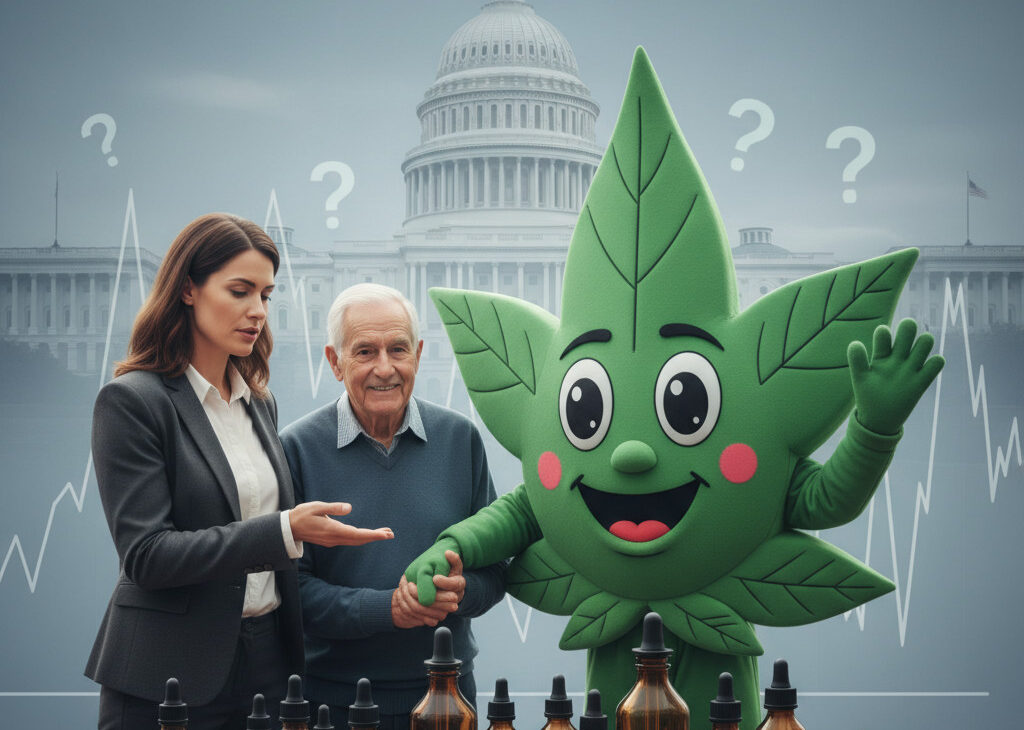
CBD policy uncertainty in Washington has left consumers and businesses navigating shifting rules and unclear expectations. Today the state and federal debate mixes FDA restrictions with congressional moves. Examples include the HEMP Act and a proposed THC cap. As a result, producers face new compliance costs and retailers worry about product availability.
Consumers also face uncertain access and possible price increases because Medicare reimbursement discussions could change the market. The lack of uniform federal standards creates confusion about safe formulation and consistent dosing. Moreover, enforcement gaps leave smaller producers exposed to remediation or product loss. Stakeholders therefore urge clearer regulatory standards and enforceable manufacturing controls.
However, policymakers still debate whether to treat CBD as a supplement or as medicine for reimbursement. The outcome will shape pricing behavior, gatekeeping, and the broader consumer market. At MyCBDAdvisor we follow developments closely. We explain what the HEMP Act, ultra low THC limits, and other policy choices mean for you.
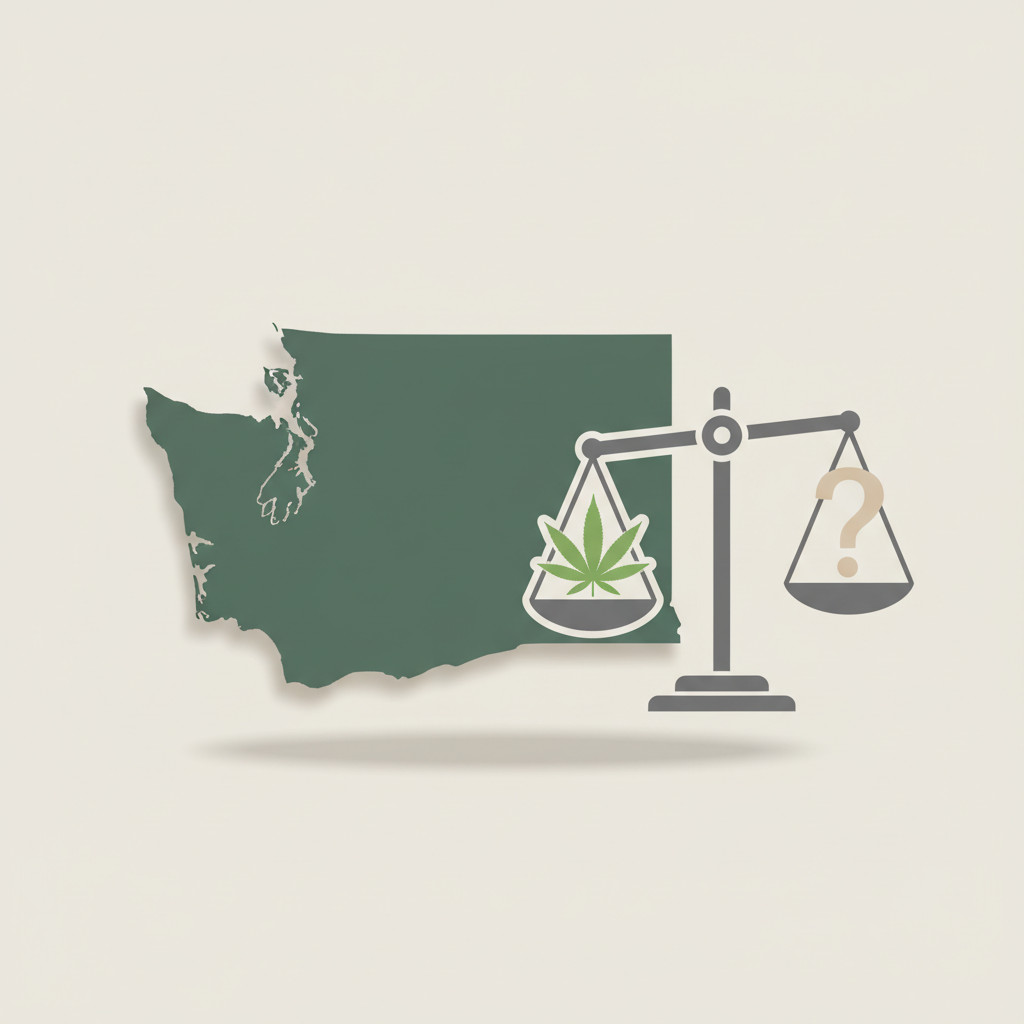
What CBD policy uncertainty in Washington means
CBD policy uncertainty in Washington describes unclear rules at both state and federal levels. Because federal guidance lacks uniform standards, the market faces mixed signals. As a result, consumers, producers, and regulators must adapt to changing expectations.
For consumers
- Access and pricing: Consumers may see uneven product availability and higher prices because Medicare reimbursement talks could change market structure. For context see Medicare at Medicare.
- Safety and labeling: Without clear FDA pathways, buyers face inconsistent formulation and dosing information. The FDA position is at FDA.
- Confidence: Therefore users may hesitate to try new products because standards vary across sellers.
For businesses
- Compliance burden: Small makers face costs to meet ultra low THC limits and other rules. Moreover, producers must plan for remediation or product loss if caps take effect in November 2026.
- Market risk: Retailers worry about inventory and legal exposure. For more background, read related coverage at My CBD Advisor.
For policymakers
- Tradeoffs: Lawmakers must balance access with safety and fraud prevention. However they still debate whether to treat CBD as a supplement or as medicine.
- Coordination need: Therefore state and federal agencies must align on testing, dosing, and enforceable manufacturing controls.
Key challenges to resolve include hemp legality Washington, CBD regulation Washington, and broader cannabinoid law uncertainty. Clear standards will reduce remediation costs, improve labeling, and stabilize pricing for consumers and businesses alike.
| State | CBD Legal Status | Hemp-Derived CBD Allowed | Medical Use | Recreational Use | Notes |
|---|---|---|---|---|---|
| Washington | Legal for sale but regulatory uncertainty remains | Yes, allowed; federal standards unclear | Non-prescription CBD widely available; medical cannabis separate | Recreational cannabis legal; CBD sold OTC | Subject to potential federal THC cap and HEMP Act changes; producers face compliance risk |
| California | Broadly legal with state-level regulations | Yes, widely sold with state testing rules | Included in medical program | Recreational cannabis legal and regulated | Strong labeling, testing, and consumer protections; market relatively stable |
| Texas | Restricted and conservative | Allowed if products meet low THC thresholds; enforcement varies | Limited medical cannabis program with low THC | Recreational cannabis illegal | State rules stricter; legal risk for some products and sellers |
| Colorado | Legal with mature regulatory framework | Yes, common in retail and dispensaries | Robust medical program | Recreational cannabis legal and regulated | Longstanding testing and compliance norms; market is well-established |
How CBD policy uncertainty affects Washington’s market and consumers
Policy ambiguity creates immediate effects for buyers, sellers, and regulators. Because federal and state rules conflict, retailers face shifting compliance tests. As a result product availability can become uneven across stores and online outlets.
Market availability and pricing
- Inventory volatility: Retailers may remove items to avoid legal risk. Therefore shoppers can find fewer brands on shelves.
- Price pressure: Compliance costs and remediation raise retail prices. Moreover, Medicare reimbursement talks could shift the market and increase costs for consumers.
Consumer safety and confidence
- Labeling gaps: Without clear FDA pathways, dosing and ingredient labels vary widely. Consequently buyers may not know a product’s potency.
- Testing reliability: Inconsistent standards increase contamination risk. For reliable rules see Washington LCB guidance at Washington LCB guidance.
Business operations and legal risk
- Small producer strain: Ultra-low THC limits and a possible THC cap force reformulation or remediation. In addition, producers face inventory loss ahead of November 2026 deadlines.
- Compliance unpredictability: Companies must monitor HEMP Act proposals and FDA CBD restrictions closely. For industry context, read CBD industry context.
How consumers can navigate these risks
- Buy from reputable sellers who publish lab reports. Also prefer products with clear dosing and batch numbers.
- Check third-party test results and verify COAs before purchase. Finally consult resources such as FDA updates at FDA updates.
Overall, clearer CBD regulation Washington will reduce remediation costs, stabilize pricing, and improve safety for consumers and businesses alike.
Conclusion
To conclude, CBD policy uncertainty in Washington affects consumers, producers, and policymakers in clear ways. The mix of federal and state signals creates compliance costs, product shifts, and safety questions. Because federal standards remain unsettled, businesses must plan for THC caps and enforcement changes. As a result, shoppers may see reduced availability and variable labeling.
MyCBDAdvisor stands for accuracy, simplicity, and transparency. Therefore we aim to translate technical rules into usable advice. Also we recommend checking third-party lab reports, verifying COAs, and buying from reputable sellers. Finally, follow legislative updates and ask sellers for batch test results. You can bookmark our resource for timely alerts and deeper analysis.
Stay informed because rules will keep changing. We will keep updating this guide as policies evolve.
Frequently Asked Questions (FAQs)
What does CBD policy uncertainty in Washington mean for consumers?
CBD policy uncertainty in Washington means rules can shift at state and federal levels. As a result, product availability and labeling can vary. Because standards are unsettled, some products may lack consistent dosing. Therefore consumers should check third-party lab reports and buy from trusted retailers.
Is hemp-derived CBD legal to buy in Washington?
Yes, hemp-derived CBD is widely sold in Washington. However legal ambiguity remains about federal thresholds and future THC caps. Retail access continues now, but sellers must watch regulatory changes that could change product formulations.
Could Medicare coverage change CBD access or cost?
Possibly. If Medicare reimburses specific non-intoxicating CBD, the market may move toward prescribed formulations. As a result prices and gatekeeping could rise. Therefore seniors and caregivers should monitor policy updates.
How can I tell if a CBD product is safe and legitimate?
Always look for a certificate of analysis from a third-party lab. Also prefer clear dosing, batch numbers, and ingredient lists. If a seller will not provide test results, avoid buying.
What should businesses do to prepare for regulatory change?
Producers should document testing, tighten quality controls, and plan for reformulation. Moreover small businesses should budget for compliance costs and possible remediation. Finally they should follow federal proposals closely.