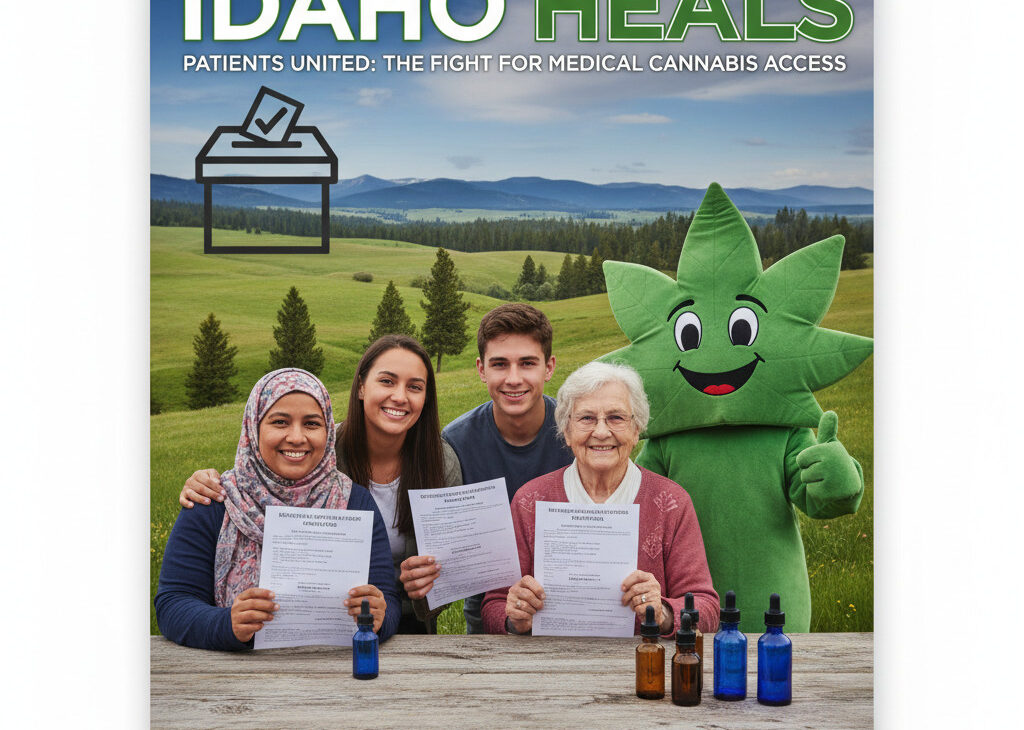
Idaho Medical Cannabis Ballot Initiative: What You Need to Know
The Idaho medical cannabis ballot initiative could change how patients access treatment across the state. Because advocates have gathered thousands of signatures, the measure may appear on the November 2026 ballot. It would create a medical marijuana program, license producers and dispensaries, and reclassify cannabis to allow research. This change affects patients with cancer, epilepsy, PTSD and other qualifying conditions.
Why this matters
For patients, the initiative promises legal access and regulated care. For policymakers, it raises questions about state law and the Idaho Constitution. However, opponents worry about scope and safeguards. Therefore, voters and health providers must understand the timing, signature rules, and possible constitutional hurdles. This guide explains the ballot strategy, patient implications, and next steps. Read on to learn how the ballot measure could reshape care, regulation, and medical research in Idaho. Additionally, we summarize how organizers gathered signatures and what comes next. We also cover key deadlines and how to get involved.
What the Idaho medical cannabis ballot initiative entails
History
- Advocates led by groups such as the Natural Medicine Alliance of Idaho have gathered more than 45,000 petition signatures to push the Idaho Medical Cannabis Act toward the November 2026 ballot. For background on local policy impacts and job considerations, see this analysis: this analysis.
- The effort responds to years of patient advocacy in a state that currently bans medical marijuana for most conditions.
What the initiative proposes
- Establish a regulated medical cannabis program for qualifying patients with conditions like cancer, AIDS, Crohn’s disease, epilepsy, multiple sclerosis, Alzheimer’s and PTSD.
- Create a licensing system for producers and dispensaries to ensure regulated distribution.
- Reclassify cannabis from Schedule 1 to Schedule 2 to permit medical research and clinical study.
Current legal status in Idaho
- Idaho currently maintains strict prohibitions against medical and recreational cannabis. Patients lack state-authorized access, and possession can lead to criminal penalties.
- To reach the 2026 ballot, proponents must submit signatures equal to at least 6% of registered voters statewide and from at least 18 of Idaho’s 35 legislative districts, each meeting the 6% threshold. See Idaho Secretary of State for petition rules: petition rules.
Why this matters
- For patients, the measure could provide legal, physician-guided treatment options and safer access to cannabis-based therapies.
- For research, rescheduling would open doors to clinical studies and potential new treatments.
- For voters, the initiative represents a direct chance to change state policy. Local reporting shows momentum with tens of thousands of signatures collected: this report.
Next steps
- Organizers must submit validated signatures by the April 30 deadline to qualify for the November ballot. If validated, Idaho voters will decide whether to enact the Idaho Medical Cannabis Act.
| State | Legal status | Qualifying conditions | Possession limits | Sale regulations |
|---|---|---|---|---|
| Idaho | Medical cannabis illegal statewide; limited low-THC CBD allowed | None under state law; proposed initiative lists cancer, AIDS, Crohn’s disease, epilepsy, multiple sclerosis, Alzheimer’s and PTSD | Possession is illegal under current law; penalties can apply | No legal sales; initiative would establish licensed producers and dispensaries if passed |
| Washington | Recreational and medical legal | Broad list; physician recommendation or medical authorization required | Adults 21 plus: up to 1 ounce usable cannabis; larger amounts may be allowed at home | Licensed producers, processors and retailers regulated by Washington State Liquor and Cannabis Board |
| Oregon | Recreational and medical legal | Medical program with qualifying conditions such as chronic pain, cancer, epilepsy and PTSD | Adults 21 plus: up to 1 ounce in public; up to 8 ounces at residence | Licensed production and retail overseen by Oregon Liquor and Cannabis Commission |
| Nevada | Recreational and medical legal | Medical registry for serious conditions including cancer and PTSD | Adults 21 plus: up to 1 ounce of usable cannabis | Licensed retail dispensaries regulated by Nevada Cannabis Compliance Board |
| Montana | Recreational and medical legal | Broad medical registry including chronic pain, PTSD and seizure disorders | Adults 21 plus: possession limits set by state (typically 1 ounce usable) | Licensed production and retail with state oversight |
Potential Impacts of the Idaho medical cannabis ballot initiative
Benefits for patients and health care
- Greater legal access could help patients with cancer, epilepsy, PTSD and chronic pain. As a result, more Idahoans might receive physician-guided treatment rather than unregulated products.
- Rescheduling cannabis from Schedule 1 to Schedule 2 would enable medical research and clinical trials. Therefore, researchers could study dosing and safety more easily.
Societal impacts and the economy
- The initiative could create new licensed jobs in production and retail. For example, neighboring states saw tax revenue and new businesses after legalization.
- However, rural communities may need state support to build compliant dispensing infrastructure.
Challenges for law enforcement and regulation
- Law enforcement would need training and new protocols for regulated possession. Because rules would change, agencies must adapt arrest and evidence practices.
- Regulators must design a licensing system to prevent diversion and ensure patient safety. Otherwise, loopholes could undermine the law.
Controversies and political hurdles
- Supporters say the measure “is not a pathway to recreational legalization.” However, opponents worry about scope and safeguards.
- Amanda Watson warned that “it would be very difficult to run our initiative again if it doesn’t pass.” Therefore, the vote has high stakes for organizers.
What to watch next
- Signature validation and the April 30 deadline will determine if the measure reaches voters. See Idaho Secretary of State for petition rules: Idaho Secretary of State.
- For national context on medical marijuana laws, see NCSL: NCSL.
Overall, the initiative could widen access and boost research, but it also creates regulatory and enforcement demands that Idaho must address.
Conclusion
The Idaho medical cannabis ballot initiative offers Idahoans a direct chance to expand medical access statewide. Advocates collected more than 45,000 petition signatures to pursue the November 2026 ballot. If voters approve, the act would license producers, allow dispensaries, and reclassify cannabis to enable medical research.
MyCBDAdvisor remains committed to clear, research-driven cannabinoid information and practical guidance at MyCBDAdvisor. Therefore, we will track developments and report facts to help patients and policymakers. Voters should weigh access, safeguards, and long-term public health implications before deciding. Overall, the initiative presents an optimistic path toward regulated care and improved research opportunities. Stay informed and vote with care.
Frequently Asked Questions
Who could qualify for medical cannabis if the measure passes?
Patients with physician certification for listed conditions could qualify. Examples include cancer, epilepsy, multiple sclerosis and PTSD. In addition, the initiative names other serious illnesses.
When would voters decide on the initiative?
If proponents validate signatures by April 30, voters could see the measure on the November 2026 ballot.
How do signatures and eligibility work?
Organizers must collect in-person signatures from at least 18 of 35 legislative districts. Also, signatures must equal at least 6 percent of registered voters statewide and per district.
Does passage mean possession becomes immediately legal?
No. Regulators would set possession limits and licensing rules. Therefore, implementation would follow a transition period.
How can I learn more or get involved?
Follow the Idaho Secretary of State and local advocacy groups for updates. Also, attend community events and verify petition station details.