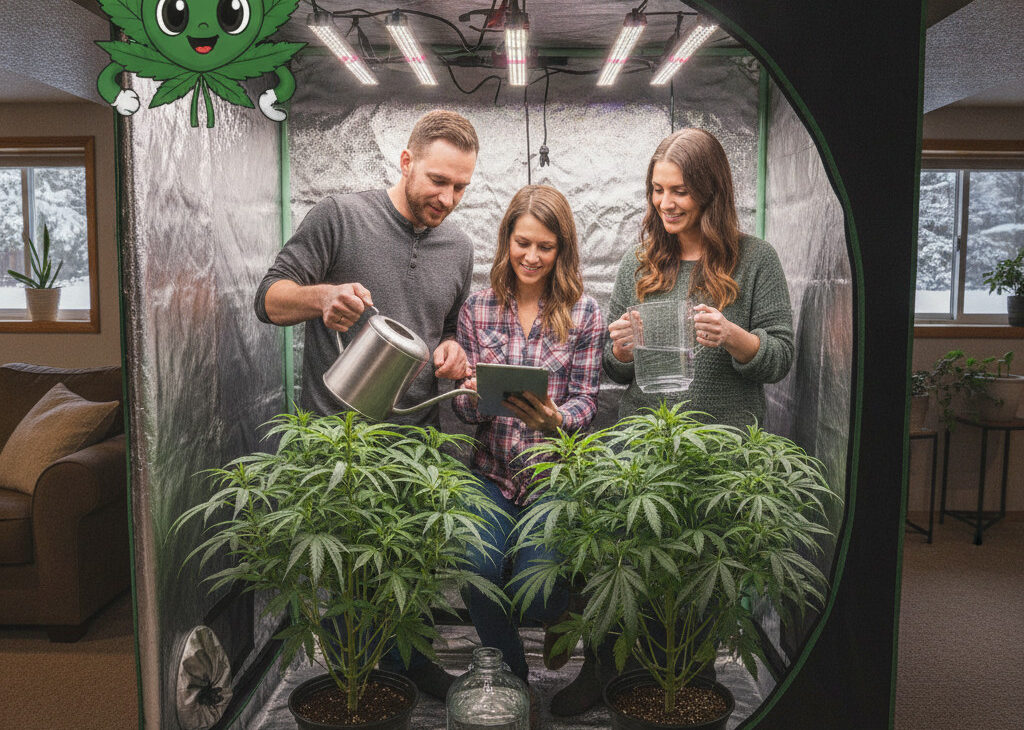
Minnesota Home Cannabis Cultivation and the 8-Plant Rule (2026 Guide)
Is what many new growers search for today. Interest in home grows has surged since legal changes. Because of that, growers need clear rules and step-by-step advice. We’ll preview essential rules, legal considerations, seeds, watering tips, genetics, and Certificates of Analysis.
Whether you plan an indoor 4×4 grow tent or an outdoor, fenced garden, this guide helps. However, Minnesota law limits adults 21 plus to eight plants per residence. Only four plants may be mature and flowering at once; therefore staggered grows matter. We also cover organic potting mixes, filtered water, autoflowers, and seed COAs. Read on to learn practical steps that keep your grow legal and productive.
This 2026 guide explains the enclosed locked space requirement and privacy rules for outdoor grows. Additionally, it shows how to choose feminized seeds, autoflowers, and reliable genetics. You will find watering tips, potting mix advice, and how Certificates of Analysis verify seed quality. Finally, we highlight compliance steps so your hobby stays safe and within Minnesota law.
Minnesota home cannabis cultivation and the 8-plant rule (2026 guide): Legal basics
Minnesota allows adults 21 and older to grow cannabis at home. However, the law sets clear limits and safety rules. Specifically, a residence may contain up to eight plants in total. Furthermore, no more than four plants may be mature and flowering at any time.
Key points at a glance:
- Adults 21 plus may grow up to eight plants per residence.
- Only four plants can be mature and flowering simultaneously.
- The grow must be in an enclosed, locked space not open to public view.
- Outdoor grows need a locked fence and screening from the street.
- Homes with multiple adults still share the same eight plant limit for the residence.
For official guidance, see the Minnesota Office of Cannabis Management. Additionally, health information is available at Minnesota Health. For a plain‑language summary, read Minnesota Cannabis Hub.
Minnesota home cannabis cultivation and the 8-plant rule (2026 guide): Common questions answered
How do you count plants?
Count all living plants in the residence. Therefore seedlings, vegetative plants, and flowering plants all count. For example, four mature plants plus four young plants equals the eight plant maximum.
What is a mature plant?
Mature means flowering and capable of producing buds. However, laws sometimes define maturity by visible flowers, so document stages if needed.
Can you stagger harvests?
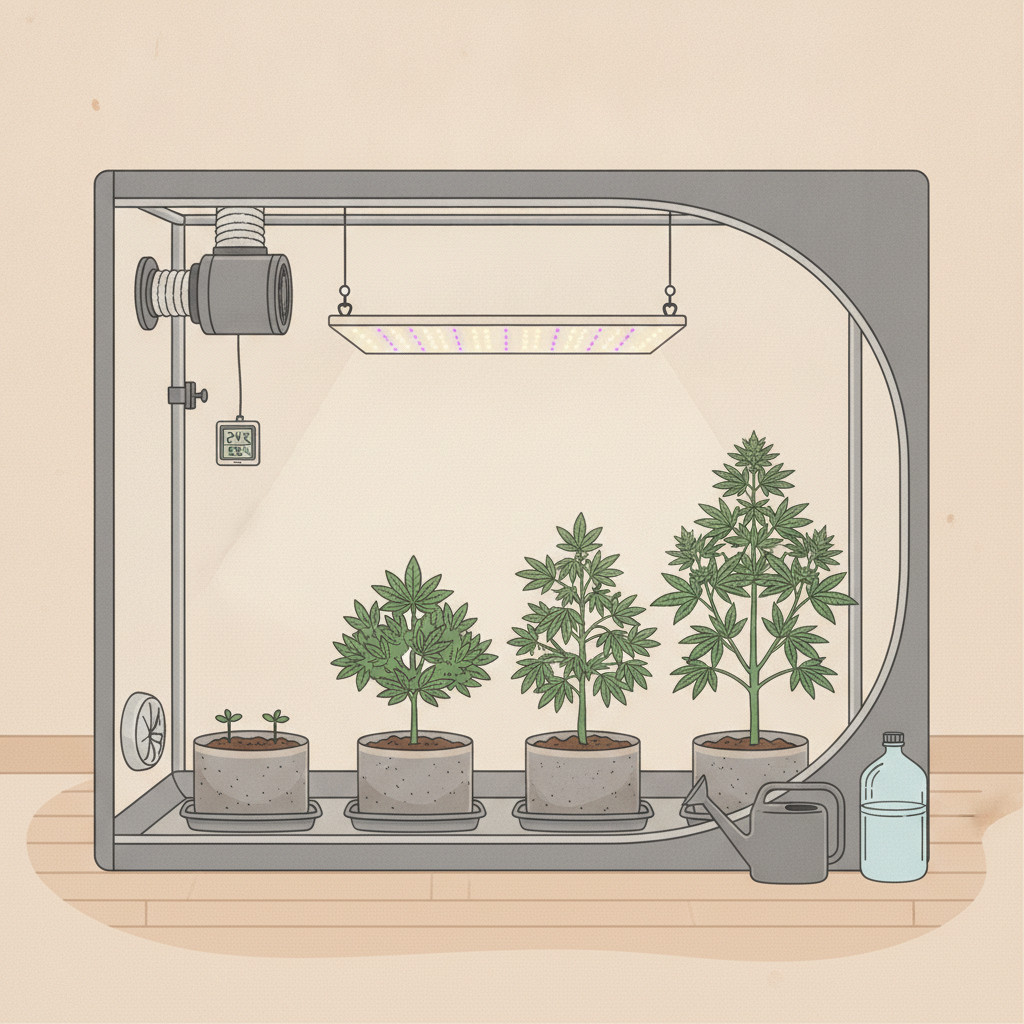
Yes, staggered grows help keep four plants flowering while others stay vegetative. As a result, you can harvest more often without breaking limits.
What about seeds and genetics?
Seeds do not contain THC and are legal; however purchase from reputable sources for Certificates of Analysis. Simply Crafted Seed Collection offers COAs and verified genetics for peace of mind.
Follow these rules closely because compliance keeps your hobby legal and safe. Moreover, plan grow space, security, and a stagger schedule before planting.
Quick comparison: Minnesota home cannabis cultivation and the 8-plant rule (2026 guide)
| Aspect | Rule or Limit | Practical example | Legal implication |
|---|---|---|---|
| Total plant limit | Up to eight plants per residence | Four flowering plants plus four young plants = eight | Breaks this rule can cause enforcement or penalties |
| Mature or flowering limit | Maximum four mature (flowering) plants at any time | Stagger plantings so no more than four flower together | Flowering cap applies regardless of total plants |
| Location and security | Enclosed, locked space not open to public view | Indoor 4×4 tent or locked closet; outdoor behind locked, screened fence | Required to prevent public access and comply with local ordinances |
| Counting plants | Count all live plants in the residence | Seedlings, vegetative, and flowering plants all count toward eight | Keep simple records or dated photos to show compliance |
| Seeds and genetics | Seeds contain no THC; use verified sources with COAs | Purchase feminized seeds with Certificates of Analysis | COAs document genetics and safety; keep receipts |
| Indoor versus outdoor | Indoor commonly uses tents; outdoor must be screened | Use a 4×4 tent for small indoor grows; screen outdoor plots | Visibility and fencing rules affect permit and neighbor issues |
| Staggered harvest strategy | Recommended to maximize yield while staying legal | Rotate two autos every 6–8 weeks to keep four flowering | Staggering helps avoid accidental flowering-limit violations |
Use this table to compare rules at a glance. Plan grows, security, and harvest timing to stay compliant.
Compliance and legal risks for Minnesota home growers
Growing at home can be rewarding, but you must follow rules closely. Otherwise you risk enforcement, fines, or criminal charges. For the clearest guidance, review the Office of Cannabis Management rules at Minnesota Office of Cannabis Management and health advice at Minnesota Department of Health Cannabis.
Legal risks of exceeding the 8-plant limit
- Enforcement actions: Police or regulators may investigate if someone reports a visible grow. As a result, you could face evidence seizure or civil penalties.
- Fines and charges: Exceeding plant limits can trigger fines or misdemeanor charges depending on scale. Therefore document your compliance to reduce risk.
- Loss of property: Authorities may seize plants and related equipment during enforcement. Consequently you might lose your crop and investments.
- Neighbor disputes: Visible outdoor grows can prompt complaints, which often lead to inspections and enforcement.
Realistic example: A hypothetical gardener grows ten plants in a backyard that neighbors see. Neighbors call police. The officer documents 10 plants, seizes the crop, and the gardener faces fines. This example shows why screening and locked fences matter.
Quick compliance checklist
- Know the limits and count every plant daily.
- Keep no more than four flowering plants at once.
- Grow in an enclosed, locked space out of public view.
- Keep purchase receipts and Certificates of Analysis for seeds.
- Use dated photos to document plant stages and counts.
- Respect local ordinances and renter or HOA rules.
- Do not sell or distribute home-grown cannabis without proper licensing.
If authorities contact you, stay calm and consult a local attorney. Above all, plan your grow around compliance to protect yourself and your home.
CONCLUSION
Minnesota home cannabis cultivation and the 8-plant rule (2026 guide) clarifies what every home grower must know. It explains the eight plant per residence limit and the four flowering plant cap. Therefore you can plan staggered grows to stay legal and productive.
Key takeaways
- Follow the eight plant rule and keep no more than four flowering plants at once.
- Grow in an enclosed, locked space out of public view to meet legal requirements.
- Use verified seeds and keep Certificates of Analysis for transparency and safety.
- Choose organic potting mix, filtered water, and consider autoflowers for quick turns.
Understanding legal compliance lowers risk and protects your home. However, ignoring rules can lead to fines, seizure, or criminal charges. As a result, document purchases, keep dated photos, and respect local ordinances.
Frequently Asked Questions (FAQs)
What are the legal plant and possession limits in Minnesota?
– Adults 21 and older may grow up to eight cannabis plants per residence.
– Only four plants can be mature and flowering at any time.
– In addition, possession limits follow state rules for homegrown cannabis. Therefore keep your total plants and harvested amounts within local law. For official rules, see the Office of Cannabis Management.
Do seeds and seedlings count toward the eight plant limit?
– Yes. Count all live plants, including seedlings and vegetative plants. Because seedlings can mature, they contribute to the eight plant total. As a result, plan your staggered grow schedule to avoid accidentally exceeding the 8-plant rule.
Where can I legally grow plants at home?
– You must grow in an enclosed, locked space not open to public view. For outdoor grows, screen the area and use a locked fence. Additionally, many growers use an indoor 4×4 grow tent for privacy and security.
What penalties can I face if I exceed limits or ignore rules?
– Exceeding limits may lead to fines, seizure of plants, or criminal charges depending on the case. Neighbor complaints often trigger investigations, so visibility matters. Therefore keep receipts, dated photos, and COAs for seeds to demonstrate compliance.
Can I sell or give away my homegrown cannabis?
– No. Selling or distributing homegrown cannabis requires a proper license. However you may share limited amounts with other adults under specific state rules, so check local guidance and consult Minnesota Department of Health for health and safety information.
If you still have questions, consult the Office of Cannabis Management or a local attorney. Moreover, good records and responsible habits reduce legal risk.