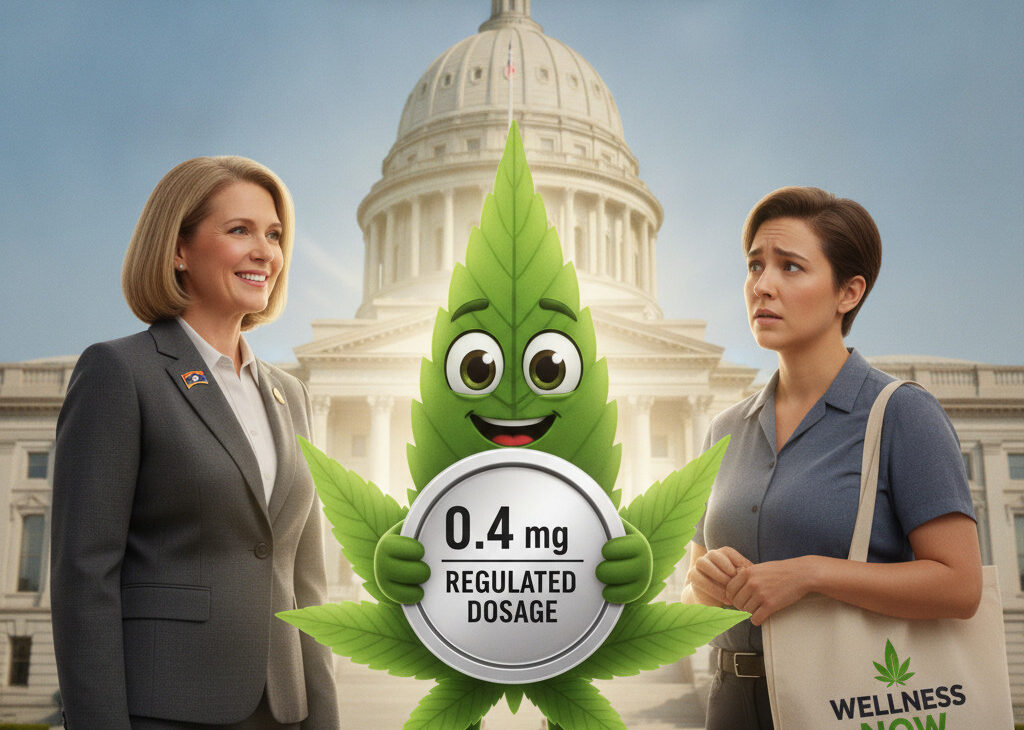

The Missouri ban on intoxicating hemp products landed on Gov. Mike Kehoe’s desk last week. It marks a rapid shift in state policy and touches farmers, retailers, and consumers. Lawmakers passed House Bill 2641 with bipartisan votes. As a result, many hemp-derived products face new rules starting November 12. Retailers will no longer be able to call themselves dispensaries. Instead, only licensed cannabis retailers can use that term. The bill also narrows the definition of industrial hemp. It excludes cannabinoids that are not naturally produced or those made outside the plant. Consequently, manufacturers and stores must reconsider their product lines and labeling.
Beyond retail changes, Missouri’s attorney general sent cease and desist letters to 33 stores. This action shows the state will enforce the new rules aggressively. Moreover, lawmakers framed the changes as alignment with a federal policy shift. Therefore, the move could influence other states weighing similar bans. For readers, the stakes are clear: product access will change and market dynamics could shift. Over the next sections, we will unpack the legal language, the industry impact, and what consumers should expect.
What the Missouri ban on intoxicating hemp products means
Missouri passed House Bill 2641 to ban the sale of intoxicating hemp products in general retail. The law takes effect November 12. It narrows the legal definition of industrial hemp. As a result, many hemp-derived cannabinoid items move out of grocery and vape shops. Retailers cannot call themselves dispensaries. Instead, only licensed cannabis retailers may use that term.
Why Missouri enacted the Missouri ban on intoxicating hemp products
Lawmakers cited safety and alignment with federal policy as reasons. Moreover, bipartisan support drove the bill through both chambers. The state also moved to enforce the law. For example, Attorney General Catherine Hanaway sent cease and desist letters to 33 retailers. Therefore, regulators signal swift compliance will follow.
Products and legal criteria affected include
- Product types targeted
- Hemp-derived edibles and beverages with intoxicating effects
- THC seltzers and vapes that produce impairment
- Novel cannabinoid concentrates made outside the plant
- Branded products marketed as psychoactive hemp-derived THC
- Legal criteria changed
- Industrial hemp now excludes cannabinoids not naturally produced
- Excludes cannabinoids synthesized or manufactured outside the plant
- A per-container THC threshold of less than 0.4 milligrams remains allowed
- Use of the term dispensaries restricted to licensed cannabis sellers
For context on hemp legislation in Missouri and cross-state market dynamics, see this article. For reporting on the bill’s passage, see this report. Read the full bill text at this link.

Impact on consumers
The Missouri ban on intoxicating hemp products will change access for everyday buyers. Many casual users may lose easy retail options. Therefore, consumers who relied on hemp edibles and vapes face limited choices. Moreover, labeling and testing expectations will rise because products must meet new definitions.
Key consumer effects of hemp bans
- Reduced shelf availability for hemp-derived THC products
- Confusion over safe dose limits despite a 0.4 milligram per-container allowance
- Increased price pressure if supply shifts to licensed cannabis retailers
- Potential health concerns as buyers seek unregulated sources
Impact on businesses and hemp industry
Retailers, manufacturers, and farmers face immediate disruption. Small shops may need to drop product lines. Larger brands could relocate or change formulations. These changes create notable hemp industry challenges and supply chain stress.
Business and industry impacts
- Lost sales for general retailers and vape shops
- Compliance costs for testing and relabeling products
- Possible litigation or enforcement after cease and desist notices
- Shift of market share toward licensed cannabis dispensaries
Public and industry reaction has been mixed. Lawmakers emphasized safety and federal alignment. Attorney General Catherine Hanaway sent cease and desist letters to 33 retailers. As a result, many industry groups are calling for clearer rules and transition timelines.
Missouri ban on intoxicating hemp products compared to other states
This table highlights differences in hemp legislation in Missouri and peer states. It shows key regulations, legal status, and consumer impact.
| State Name | Key Regulations | Legal Status of Intoxicating Hemp Products | Consumer Impact |
|---|---|---|---|
| Missouri | House Bill 2641 bans sale of intoxicating hemp in general retail. It narrows industrial hemp definitions and reserves the word dispensaries. | Banned from general retail starting November 12, 2026. Allowed only through licensed cannabis retailers. Small amounts under 0.4 milligrams THC per container remain legal. | Reduced shelf availability; higher prices; shift to licensed dispensaries; active enforcement including 33 cease and desist letters. |
| Colorado | State requires testing, labeling, and limits for hemp products. Cannabis and hemp remain distinct regulated markets. | Intoxicating hemp products face oversight but remain available in many stores under state hemp rules. Delta-8 and other novel cannabinoids face specific controls. | Retail access generally intact; stronger testing and labeling; clearer compliance rules for businesses. |
| Texas | State agencies have moved to restrict delta-8 and smokeable hemp. Regulations vary by agency and court rulings. | Many intoxicating hemp products are effectively restricted or banned. Legal uncertainty remains for some cannabinoids. | Limited retail availability; enforcement risk for sellers; consumers may travel for products. |
CONCLUSION
Missouri’s ban on intoxicating hemp products reshapes state hemp rules rapidly. House Bill 2641 narrows industrial hemp definitions and restricts retail sales starting November 12. Consumers will see fewer hemp-derived THC products on general shelves, and retailers must adjust labeling and inventories. Therefore, businesses face compliance costs and possible enforcement actions.
Staying informed matters for consumers and for the hemp industry. Moreover, buyers should check product testing, labels, and sourcing before they purchase. As a result, companies should update compliance plans and seek legal advice when needed. Clear communication and transition timelines will ease market disruption.
For up-to-date, reliable cannabinoid information, consult MyCBDAdvisor. MyCBDAdvisor prioritizes educational clarity and transparency in the hemp industry. We will continue covering changes as they develop, so check updates regularly. Stay alert and plan accordingly.
Frequently Asked Questions (FAQs)
What is the legal status of the Missouri ban on intoxicating hemp products?
House Bill 2641 bans the sale of intoxicating hemp in general retail. The law takes effect November 12. Licensed cannabis retailers may carry such products. Products under 0.4 milligrams THC per container remain allowed.
Are intoxicating hemp products safe for consumers after the ban?
Safety depends on testing and sourcing. Therefore, check lab certificates of analysis before buying. Also, avoid products with unclear labels or unverified claims.
How should businesses respond to the new hemp product regulations in Missouri?
Retailers should audit inventories, remove banned items, and update labels. Also, businesses must confirm testing standards. Finally, consult legal counsel to reduce enforcement risk.
Will consumers still find hemp products locally?
Nonintoxicating CBD and compliant hemp items will remain available. However, intoxicating hemp will move to licensed dispensaries. As a result, availability will shrink and prices may rise.
Where can I get reliable updates about hemp legislation in Missouri?
Watch state notices and Attorney General actions. For clear, timely guides visit My CBD Advisor and the detailed overview at Cannabis Regulation Overview.