Draft introduction paragraph
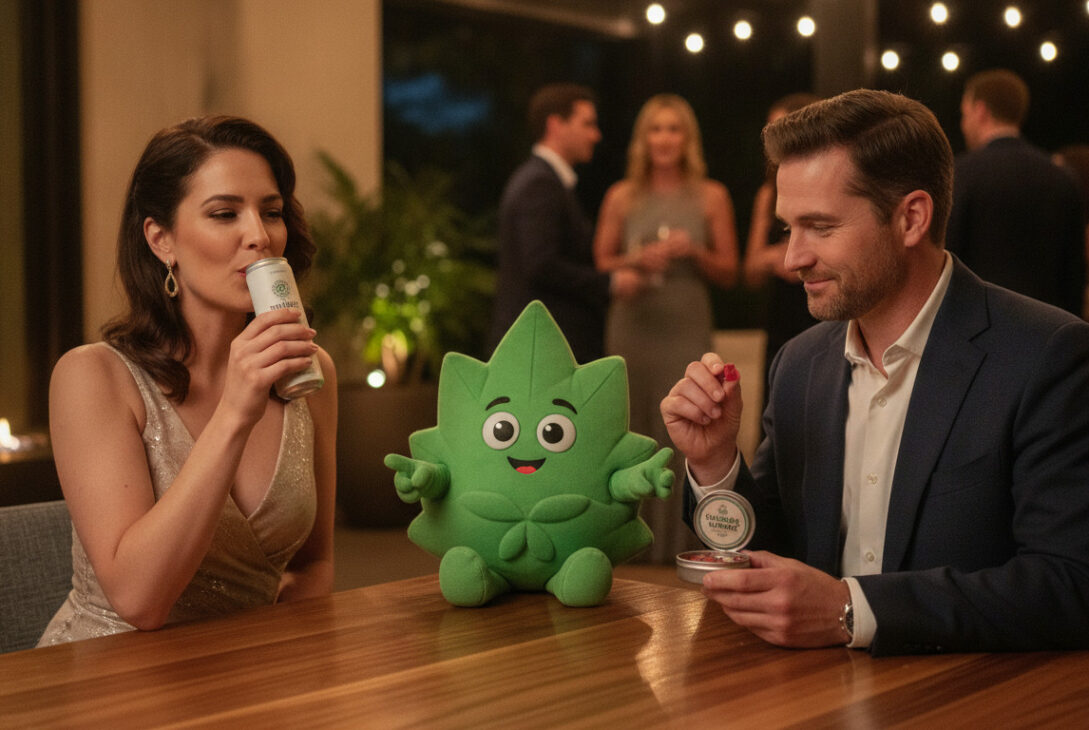
Hosting a short social mixer or a multi-hour dinner? For hosts, choosing between THC beverages and THC edibles often hinges on whether you want quick, controllable effects or sustained intensity. THC beverages, including THC drinks and THC seltzer, tend to act faster and suit microdosing and social pacing, whereas THC edibles are slower to begin but typically last longer. Understanding typical onset and peak windows helps hosts match product format to event timing.
- Onset time
- Effect duration
- Dosing precision
To keep guests safe and comfortable, recommend small starting doses, clear, labeled serving sizes, and patience before redosing. Also, store products in original child-resistant packaging and offer noncannabis beverage and snack options. Remind guests to avoid mixing with alcohol and to designate a sober host for safety. For official timing and safety notes, consult WA LCB onset and duration guidance, CDC edibles guidance, and a nanoemulsion pharmacokinetics study for formulation differences.
THC beverages vs edibles
Choose THC beverages for faster, lighter effects at social gatherings and edibles for slower onset and longer lasting sessions. Start with 2.5 to 5 mg and wait about 20 minutes for beverages and up to two hours for edibles before redosing; see Washington State onset and duration guidance and CDC guidance on edibles.
How THC beverages differ from edibles
Formulation and absorption
Beverages often use nanoemulsion or water-soluble THC for faster absorption. Edibles contain fat-soluble THC that stomach enzymes and bile must break down. Nanoemulsions can reach the bloodstream faster, producing quicker effects. Example: a 5 mg THC seltzer may feel noticeable within 15 minutes.
Onset time
Beverages typically begin working in 10 to 20 minutes because some absorption can occur through the mouth and stomach lining. Edibles usually take 45 to 90 minutes as they require digestion. Individual factors like full stomach or slow digestion can lengthen onset.
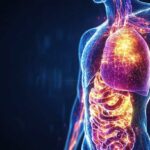
Metabolism and 11-hydroxy-THC
Edibles undergo first-pass metabolism in the liver, converting delta-9 THC into 11-hydroxy-THC. This metabolite is more potent and often causes stronger psychoactive effects. Beverages that bypass some first-pass metabolism tend to feel lighter. Example: a 10 mg gummy may produce a deeper, longer high than a 5 mg beverage.
Experience and duration
Beverages often produce faster, lighter peaks lasting roughly 1 to 3 hours. Edibles generally yield stronger, longer-lasting effects commonly lasting 4 to 6 hours or more. Tolerance, metabolism, and product formulation change both intensity and duration.
Hosts and timing implications
When hosting, plan dosing windows and allow time for onset before activities. Monitor guests for signs of overconsumption and offer noncannabis options. Clear labeling and pacing reduce the risk of accidental redosing.
For pharmacokinetic details, see the nanoemulsion study and official onset guidance from Washington State LCB: nanoemulsion study and official onset guidance.
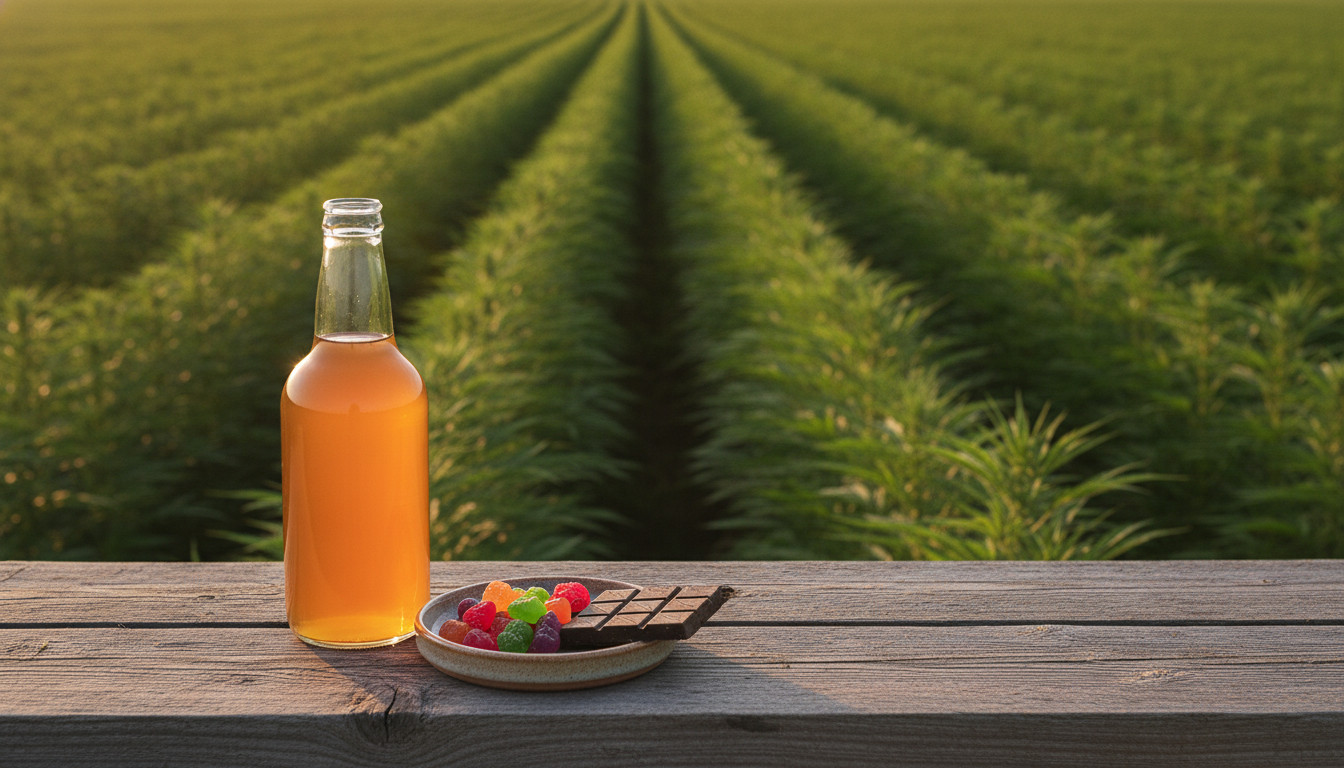
THC Beverages vs Edibles Comparison Table
| Attribute | THC Beverages | Edibles |
|---|---|---|
| Onset time | 10 to 20 minutes due to nano-emulsion absorption. | 45 to 90 minutes as digestion metabolizes THC. |
| Duration | Shorter peak, typically 1 to 3 hours. | Longer effects, commonly 4 to 6 hours or more. |
| Effects | Faster, lighter onset with flexible sociable dosing. | Stronger, more sustained psychoactive effects. |
| Dosage flexibility | Easier to microdose by sipping small amounts. | Precise per serving, but harder to split doses. |
| Taste | Crisp, beverage flavors; often refreshing. | Sweet or rich flavors; gummy and chocolate profiles. |
| User preference | Preferred for quick, social sessions and events. | Preferred for longer sessions and predictable dosing. |
Benefits and drawbacks
Beverages and edibles both offer advantages for different occasions and tolerances. Below are concise, parallel bullet lists that highlight key benefits and drawbacks with concrete serving examples and simple safety notes.
Beverages
- Faster onset: 2.5–5 mg per sip: Nanoemulsified drinks can begin working within 10 to 30 minutes, making them ideal for paced social sipping and microdosing.
- Flexible dosing: easy to microdose: Small sips let users gradually reach a desired effect without committing to a full serving.
- Shorter duration: 1 to 3 hours typical: Effects often peak sooner and fade faster, which can suit brief gatherings but may require repacing.
- Risk of rapid overconsumption: quick effects surprise novices: Beginners may redose too soon if they expect edible timing; wait at least 20 to 60 minutes before adding more.
Edibles
- Longer lasting: 5–10 mg per gummy: Standard gummies typically contain 5 to 10 milligrams and deliver sustained effects for 4 to 8 hours, which fits planned multihour events.
- Predictable per serving: clear milligram labels: Preportioned servings simplify tracking total intake across a session.
- Stronger metabolites: potent 11-hydroxy-THC effects: Digestive conversion can produce more intense and longer psychoactive experiences for some users.
- Delayed onset risk: slow timing leads to accidental overdosing: Wait up to two hours before redosing and consider splitting a gummy to test tolerance.
Mixing and calories
- Alcohol interaction: Avoid combining with alcohol because effects can compound and impair judgment.
- Sugar and calories: Many beverage mixers and gummies add sugar and calories; account for dietary needs.
For official timing and safety guidance see Washington State onset and duration guidance and CDC guidance on edibles.
Conclusion
When deciding between THC beverages vs edibles, weigh onset time, effect duration, taste, and social vibe. Beverages act quickly, often within ten to twenty minutes, therefore they suit brief social moments and microdosing. Edibles require forty-five to ninety minutes to take effect, but they produce longer, more sustained psychoactive effects. Thus, pick edibles for planned multi-hour events, and choose beverages for flexible pacing and rapid onset.
Because metabolism and tolerance vary widely, start low, wait patiently, and avoid redosing too soon. Also, check labels for milligrams per serving and adhere to local packaging and child-safety rules. If hosting, plan discreet private consumption, confirm guests understand dosing, and provide noncannabis options. For further trustworthy resources and local guidance visit myCBDadvisor and make informed choices.
Frequently Asked Questions (FAQs)
Safety
Both THC beverages and edibles carry safety considerations. Beverages act faster so sip slowly and avoid mixing with alcohol; edibles can cause delayed effects that increase the risk of accidental overconsumption. Keep dosing clear for guests and store products securely.
Onset and timing
Beverages typically begin working within 10 to 20 minutes, while edibles often take 45 to 90 minutes or longer. Oral THC undergoes first-pass metabolism in the liver, producing 11-hydroxy-THC, a potent metabolite that contributes to stronger and longer effects from edibles. For official timelines see WA LCB guidance.
Dosing guidance
Start low with 2.5 to 5 mg and increase slowly to find your personal threshold. Microdosing strategies such as small sips or splitting servings help maintain control and reduce the chance of an intense reaction.
Effects compared
Beverages usually give faster, lighter peaks ideal for social pacing, whereas edibles produce longer, often more intense psychoactive effects because of 11-hydroxy-THC formation. Match product choice to event length and guest tolerance.
Legal limits and serving
Many states limit THC to 10 mg per serving and 100 mg per package for retail edibles and some beverages. Plan servings so guests do not exceed these amounts and verify local rules before purchasing or serving. See California regulations for packaging and serving limits.
Storing at a party
Keep all cannabis products in original child-resistant packaging and lock them away from children and pets. Store discrete nonaccessible containers in a cool, shaded spot and clearly separate cannabis and noncannabis food or drink to avoid accidental consumption.
If a guest overconsumes
Remain calm and reassure the guest; encourage sitting or lying down in a quiet area and offer water. Avoid alcohol and stimulants, monitor breathing and responsiveness, and stay with them until symptoms lessen. Seek emergency care if the guest has chest pain, severe breathing problems, repeated vomiting, loss of consciousness, or extreme agitation; CDC guidance on poisoning offers additional steps.
Related on CBD Advisor
- Decide: THC Beverages vs Edibles for Minneapolis Backyard BBQ
- Why Are Hemp-THC drinks Reshaping Alcohol Alternatives
- Explore Delta 9 Edibles: Terpene-Infused Coating Benefits