Glass vs. Plastic for Cannabis Concentrates
Glass vs. Plastic for Cannabis Concentrates examines how packaging material influences terpene retention, aroma stability, and perceived quality in live resin, rosin, and sauce. This guide is for retailers and brand managers and helps decide whether to prioritize preserving terpenes or reducing transit risk. Read on for selection criteria and practical storage tips.
Use material tradeoffs, regulatory safety pointers, and simple handling steps to protect potency and aroma during storage, transit, and retail display. For practical handling guidance see the Glass vs. Plastic for Cannabis Concentrates storage FAQ and refer to industry and peer reviewed sources below for migration and terpene studies.
Sources:
Meta description suggestion: Guide for retailers and brand managers choosing glass or plastic packaging to preserve terpenes or reduce transit risk; includes safety checks and storage tips.
Decision flow: glass or plastic
Use this quick flow to pick packaging for concentrates. Each line is a single action to help merchandising and procurement move from product profile to packing and rotation.
- Define product profile and decision triggers: categorize SKU as premium terpene-forward or high-volume value; examples: live resin (premium, terpene-forward) and shatter (high-volume value). Set explicit triggers: choose premium packaging when price per gram is greater than $30 or total terpene content exceeds 2 percent; choose value packaging when price per gram is below $10 or terpene content is below 0.5 percent.
- Recommend material — pick one option below and document why:
| Material | Recommended use | Quick pro and con |
|---|---|---|
| Amber glass | Premium live resin, rosin, sauce | Pro: superior terpene retention and inert surface; Con: heavier and breakable |
| PET plus EVOH | Midrange, barrier needs | Pro: low oxygen ingress for months; Con: limited long term terpene protection vs glass |
| BPA free polypropylene | High-volume, rapid turnover SKUs | Pro: light, impact resistant; Con: shorter recommended shelf life |
- Inventory and rotation action: implement FIFO for all SKUs, label every unit with pack date (YYYY-MM-DD), calculated expiry date, SKU, batch number, and recommended storage temperature. Align shelf-life rules with packaging: amber glass 12 months, PET plus EVOH 6 months, BPA free polypropylene 3 months maximum on shelf. Audit storage temperature monthly and retrain staff on rotation during each restock.
Sources
- Industry packaging review on glass versus plastic for concentrates
- Terpene preservation and storage study
Safety Differences
Glass and plastic trade safety for different risks. Top three tradeoffs are chemical contamination risk from some plastics, physical breakage hazard from glass, and terpene driven interactions that can alter aroma and extract purity. Use material selection, supplier data, and validated testing to balance those risks.
Chemical leaching
- Glass is inert and resists solvent action from terpenes, lowering contamination risk and chemical migration.
- Plastics can release monomers, plasticizers, or additives when exposed to terpene rich extracts.
- Recommendation: Request third party migration test reports and specific detection limits for likely contaminants and related compound classes such as phthalates and bisphenols.
Known chemical hazards
- Some resins contain bisphenol compounds and phthalates that pose health concerns through long term exposure.
- Suppliers should provide a Declaration of Conformity and certificates confirming food contact status and BPA free claims.
- Reference toxicology summaries when evaluating acceptable exposure pathways and limits for packaging choices.
Terpene interactions
- Terpenes act as mild solvents and can extract plasticizers or adsorb to certain resins reducing perceived aroma.
- Glass shows superior terpene retention in comparative reviews and studies.
- Require headspace or terpene retention analysis on representative lots before approval.
Durability
- Glass can shatter creating physical hazard and loss during transit.
- Plastic lowers breakage risk but may compromise long term chemical stability depending on resin and barrier performance.
- Require transit testing evidence and protective secondary packaging for glass SKUs.
Reuse and cleaning
- Glass tolerates repeated cleaning without degrading which reduces long term contamination risk.
- Some plastics retain residue after reuse and can degrade with aggressive cleaners.
- Ask suppliers for validated cleaning procedures and residue swab results for reusable systems.
QA checks
- Accelerated aging test with parameters 40°C and 75% relative humidity with sampling at 0 days, 7 days, 14 days and 28 days for terpene and potency assays.
- Migration testing covering targeted analytes including phthalates, bisphenols, common plasticizers and monomers with method detection limits below health based guidance values.
- Transit and handling test using an ISTA protocol with report showing sample size, packaging configuration, and pass fail criteria.
Request these supplier documents before approval:
- Declaration of Conformity for food contact use
- Third party migration reports including method detection limits
- ISTA transit test report demonstrating protection for the selected packaging configuration
Further reading on packaging guidance and chemical hazard context is available from the FDA packaging guidance and the NIEHS summary on bisphenol hazards. Industry reviews and terpene preservation studies provide comparative data on material performance and aroma retention.
Packaging food contact guidance
Industry packaging review glass versus plastic for concentrates
Terpene preservation study and methods
Freshness Retention: Glass vs Plastic
Relative potency retention: Glass typically maintains higher cannabinoid potency over time due to minimal chemical migration and low oxygen ingress, while plastic performance varies by resin and barrier treatments.
Terpene volatility and adsorption risk: Volatile terpenes are best preserved in glass because plastics can adsorb or absorb aroma compounds, especially with porous or low barrier resins.
Oxygen and moisture permeability notes by resin type: High barrier plastics like PET with EVOH or multilayer laminates show low permeability, while polyolefins and silicone based containers permit more oxygen and moisture transmission affecting freshness.
Quick storage actions: Keep concentrates cool, store in dark amber or opaque containers, and use airtight, low headspace closures to minimize terpene loss and oxidation.
See the Journal of Cannabis Research and the oil stability study for methods and data.
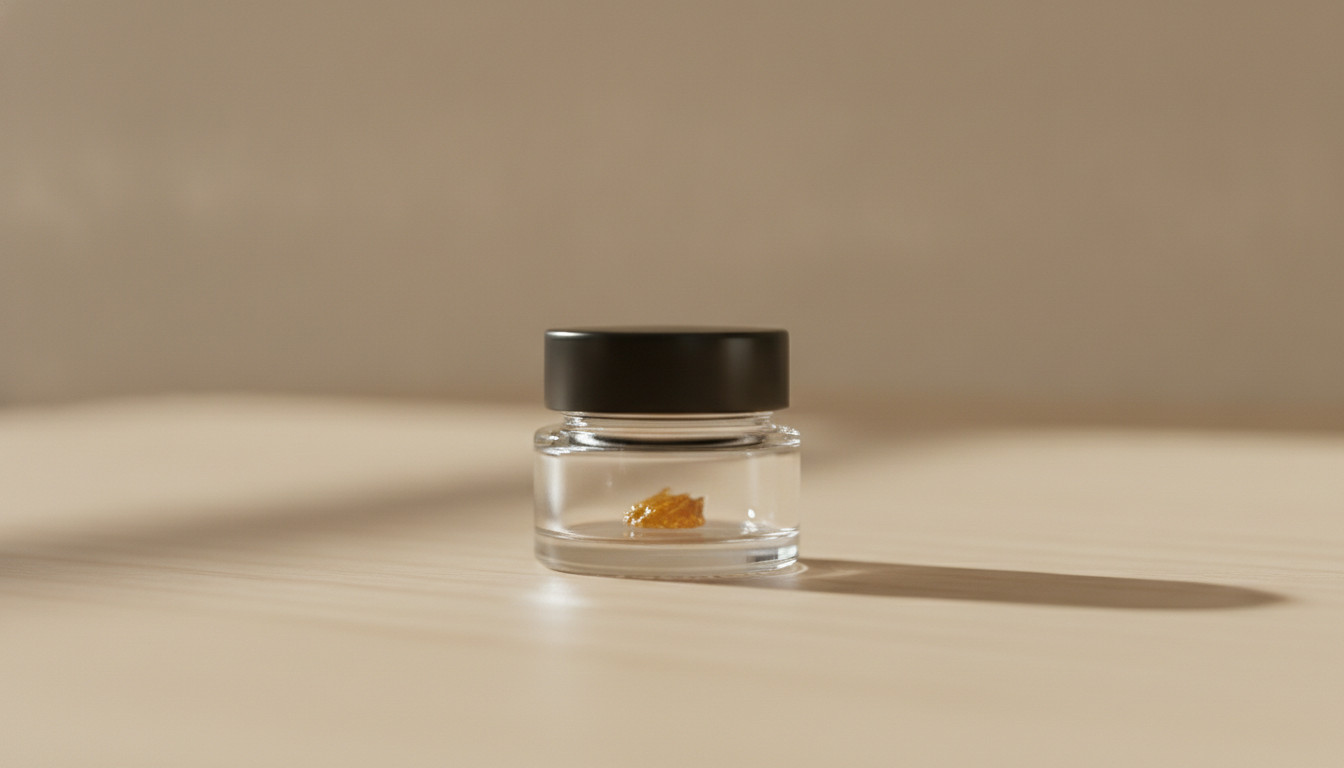
Comparison of Glass vs Plastic for Cannabis Concentrates — Shelf Life, Child-Resistant, Durability
| Factor | Glass | Plastic |
|---|---|---|
| Safety | Chemically inert; low leaching risk; higher breakage hazard | Lower breakage risk; potential for chemical migration unless food grade |
| Durability | Prone to shattering; heavy for transport | Impact resistant; lighter and less fragile |
| Freshness retention | Excellent for terpene and potency preservation; minimal adsorption | Variable; depends on resin and barrier properties |
| Environmental impact | Infinitely recyclable; higher production energy but reusable | Lower initial carbon footprint; recyclability varies by resin |
| Cost | Higher unit cost and shipping weight | Lower per unit cost; cheaper logistics |
Choose glass for premium terpene-rich products and certified food-grade plastic for budget-friendly, high-velocity items. Always opt for airtight sealing and proper storage conditions to enhance freshness and reduce contamination.
CONCLUSION
Glass vs. Plastic for Cannabis Concentrates presents a clear tradeoff between preservation and practicality. Glass preserves terpenes and potency best, and therefore it is the safer choice for premium, terpene-forward SKUs. However, glass weighs more, raises shipping costs, and risks breakage.
Plastic lowers unit cost, cuts shipping weight, and reduces transit damage risk. But plastic can absorb terpenes or leach additives unless you choose food-grade or PCR resins. Therefore use high-quality BPA-free plastics only for high-velocity products.
From a sustainability view, glass wins at end-of-life because it recycles indefinitely and supports reuse. As a result, brands focused on quality should favor glass, while value lines may use certified plastics. Base decisions on product chemistry, shelf life, and retail positioning, and regularly audit suppliers. For more packaging guidance and storage tips, visit My CBD Advisor.
Frequently Asked Questions (FAQs)
Is glass safer than plastic for concentrates?
Glass reduces chemical contamination because it is inert and nonporous. However, it breaks more easily, increasing physical hazard during shipping and handling. Therefore for safety prioritize food-grade glass with secure closures, or high-quality BPA-free plastics when breakage risk dominates. Also test packaging before scaling orders.
Does glass better preserve terpene flavor and potency?
Yes. Glass limits oxygen and chemical migration, so it preserves volatile terpenes and cannabinoid potency. For example dark, amber glass with airtight lids slows terpene loss. Studies show dark storage retains most terpenes versus LED exposure over months. Lab tests confirm this in controlled trials.
Is plastic acceptable for high-volume or budget products?
Yes. Plastic reduces weight, cuts shipping cost, and lowers breakage. However choose certified food-grade or PCR resins to limit leaching. Also rotate inventory faster because plastic can permit slow terpene absorption over long storage. Work with suppliers for barrier-enhanced plastics.
Which material is more sustainable overall?
Glass recycles indefinitely and supports reuse, but its production is energy intensive. Plastic often has lower upfront carbon emissions, however recyclability varies by resin and local infrastructure. Therefore PCR plastics can close the loop, yet glass still leads at end-of-life when recycled. Balance lifecycle and supply chain factors when choosing.
How should I store concentrates at home or in retail?
Store concentrates cool, dark, and sealed. Use airtight caps and amber or opaque glass to block light when possible. For plastic, choose food-grade BPA-free types and limit shelf time. Additionally label batches with dates to ensure rotation and freshness. Retailers should train staff on handling and storage best practices.
Related on CBD Advisor
- Is Light cannabis retail strategy driving trial and loyalty
- Who benefits from North Carolina adult-use cannabis legalization plan
- How Does 6 Point Cannabis Sustain Legacy Craft