
Cannabis retail is booming. Shelves now host new strains, vapes, edibles, and topical innovations, and buyers face complex choices. Knowing the cannabis purchasing process is more important than ever because poor ordering costs money and time. Savvy retailers treat purchasing as a strategic advantage, and this article explains how to build one.
Missteps create overstock and aging inventory. In fact, many stores tie up tens of thousands in dead stock and cash. Inventory management and cash flow suffer when orders move across wholesale marketplaces, email, text messages, spreadsheets, PDFs, and internal transfers. The buyer’s job crosses compliance, POS, and accounting systems, and receiving accuracy often decides profit.
This guide shows what to track, why each detail matters, and how to fix common ordering gaps. You will learn to map orders in flight, reconcile invoices, and enforce vendor accountability. Additionally, we cover demand planning, clean handoffs, and centralized order management so teams save time and protect margins. By the end, you will know what to order, who submitted it, and what to expect at delivery.
What is the cannabis purchasing process?
The cannabis purchasing process is the step-by-step system retailers use to order inventory, track shipments, and confirm receipts. It spans vendor marketplaces, email, texts, spreadsheets, and internal transfers, and it links compliance, POS, and accounting. When well run, it significantly reduces overstock, protects cash flow, and speeds accurate invoice reconciliation.
Legal Considerations in Cannabis Purchasing Process
Understanding the legal landscape is essential to any cannabis purchasing process. Laws differ by state, and federal rules still classify cannabis as a controlled substance, so compliance keeps stores and customers safe.
Key legal issues to watch
- Age restrictions and proof of age
- Most adult use programs require purchasers to be 21 or older. However, medical programs can allow younger patients with documentation. Check state rules for exact age limits and proof requirements. See the state legalization summary for current laws: state legalization summary.
- Federal versus state law conflict
- Cannabis remains federally regulated under the Controlled Substances Act, so state legalization does not eliminate federal prohibitions. Therefore businesses face limits on interstate transport, banking access, and potential federal enforcement: Controlled Substances Act.
- Required documentation and tracking
- Retailers must verify government issued photo identification at point of sale. Additionally, medical purchases require a valid patient registry card where applicable. Stores must keep accurate invoices and comply with seed to sale tracking and reporting.
- Purchase limits, labeling, and taxation
- States impose daily purchase limits and specific packaging or testing rules, and they tax cannabis differently. Because tax law and packaging requirements change often, monitor policy updates closely. For a recent policy overview, consult this analysis of 2026 cannabis policy updates: 2026 cannabis policy updates.
Stay practical: train staff to check IDs, log deliveries, and flag legal changes quickly. This reduces compliance risk, prevents fines, and protects cash flow during the purchasing process.
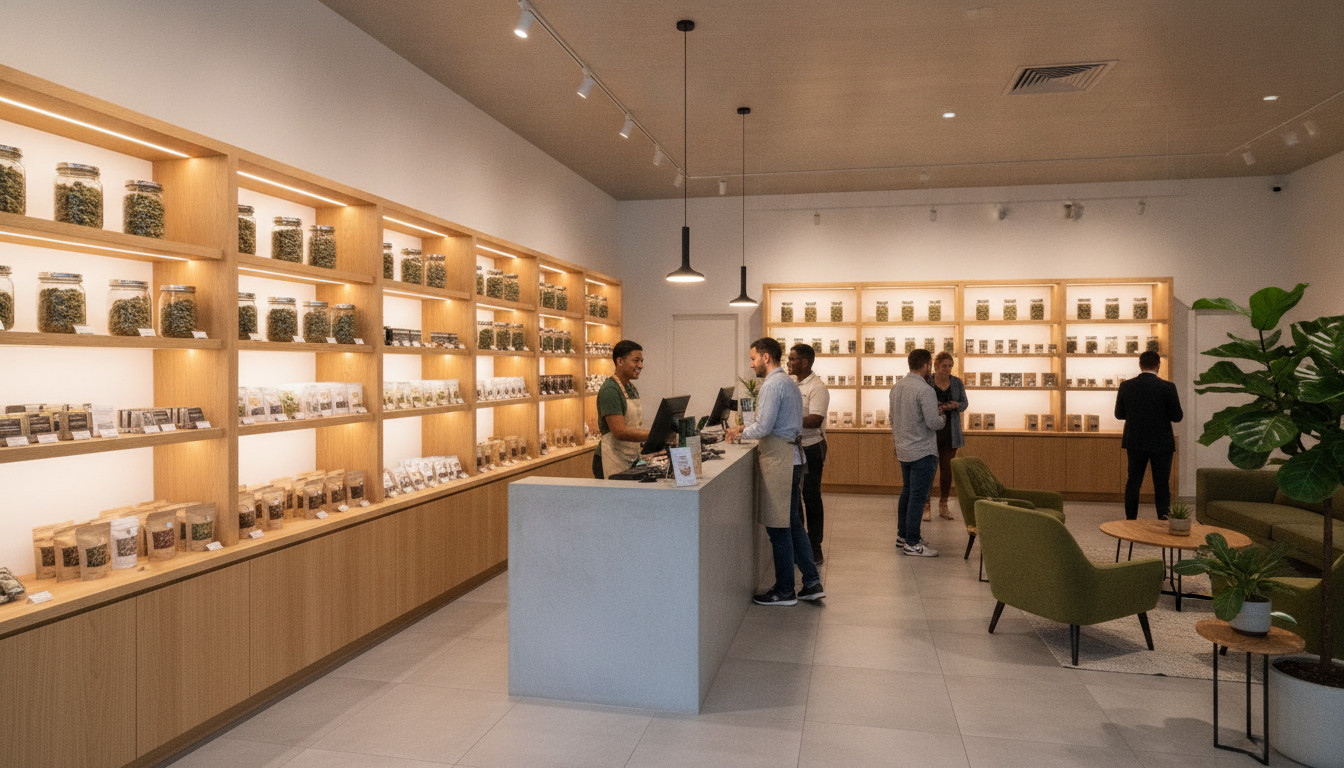
Table Comparing Cannabis Purchasing Methods
Compare common options in the cannabis purchasing process to choose the right channel for your needs. Below is a quick table that contrasts convenience, speed, product variety, legality, and safety for in-store, online delivery, and pickup.
| Purchasing Method | Convenience | Speed | Product Variety | Legality | Safety |
|---|---|---|---|---|---|
| In-store | High because you browse and ask staff questions | Moderate because you travel to the store | Wide selection and ability to inspect products | Legal where state law allows retail sales; check local rules | Safe when buying from licensed retailers with tested products |
| Online delivery | Very convenient for home delivery | Fast in urban areas; slower in remote zones | Varies by provider; sometimes limited SKU availability | Allowed in some states; drivers must follow transport rules | Risk of theft during delivery; use licensed services for safety |
| Online pickup | Convenient because you order ahead and collect | Fast since items are prepped for pickup | Often matches in-store inventory but may omit new items | Legal where retail and delivery laws permit pickup | Safer than third-party delivery; verify ID at pickup |
Note: rules and taxes differ by state. For recent state policy changes and how they affect purchasing, see this resource.
Steps in the Cannabis Purchasing Process
- Research legality in your area: Check local laws and regulations about cannabis use and purchasing. Consult trusted resources like the National Conference of State Legislatures for an updated overview of state-specific rules.
- Choose your purchasing method: Decide if you prefer in-store shopping, delivery, or curbside pickup based on convenience, product variety, and your personal safety preferences.
- Verify your eligibility: Ensure you meet the legal age requirement of 21 or older in most states and have a valid ID or medical card if required. The DEA’s Controlled Substances Act page offers further insights on federal guidelines.
- Select your products: Browse available strains, edibles, and other products online or in-store. Consider factors like desired effects, flavors, and brand reliability. Check the New York seed-to-sale deadline and inventory impact.
- Purchase responsibly: Follow dosage instructions and consume in a safe environment. Respect local consumption places and rules.
- Keep purchase records: Maintain receipts for tracking products and potential returns. These records are crucial for tax reporting where requirements vary by state.
By following these steps, consumers can navigate the cannabis purchasing process effectively and compliantly.
Conclusion
Understanding the cannabis purchasing process helps you buy safely and stay compliant. It requires knowing legal rules, choosing a buying method, and following clear steps. Because laws and inventory rules change frequently, staying informed protects your money and health.
For retailers, strong ordering workflows reduce overstock and free up critical cash flow. However, consumers benefit from reliable testing, accurate labeling, and careful ID verification at sale. Therefore both buyers and sellers should prioritize documentation, vendor accountability, and clean handoffs.
Use this guide as a checklist to evaluate your process, and revisit it when policies update. Make informed choices, ask questions at the point of sale, and track every purchase carefully. You can consult state regulators or legal counsel for complex questions when needed. For ongoing news and resources, visit My CBD Advisor and stay empowered to act responsibly.
Frequently Asked Questions (FAQs)
What identification do I need to buy cannabis?
You must present government issued photo ID at point of sale. Most adult use programs require buyers to be 21 or older. However, medical patients may use a registry card or a doctor authorization. Always carry the original ID because stores will refuse sales without it.
Is cannabis legal everywhere in the United States?
No. State laws vary and federal law still classifies cannabis as a controlled substance. Therefore you should check local rules before buying or transporting products across state lines. Ignoring this difference can create legal and financial risk.
How do I pick between delivery, pickup, or shopping in store?
Compare convenience, product variety, and safety when choosing a channel in the cannabis purchasing process. Delivery suits home use, but pickup and in store shopping let you inspect labels and ask staff questions. Choose the option that balances speed and product confidence.
What should I verify on product labels and lab tests?
Look for potency, cannabinoid breakdown, batch number, and testing lab credentials. Also check pesticide and mold screening results when available. If a product lacks clear testing, request vendor documentation before you buy.
How should I keep records and handle returns or invoice issues?
Save receipts and photographs of packaging for every purchase. If a product is incorrect or damaged, contact the dispensary promptly and document the issue. For tax or dispute purposes, maintain a simple folder of invoices and return confirmations.