Introduction
Cannabis regulation and cannabis laws are changing fast across the United States.
This article explains what current rules mean for consumers and businesses, covering possession and public use limits, labeling and testing expectations, and how licensing windows affect market access. We provide plain language guidance, links to official sources, and practical steps to stay compliant, including our MyCBDAdvisor cannabis guides. See federal context on scheduling and product rules from the DEA and FDA for background: DEA drug scheduling and FDA regulation of cannabis and CBD.
What is cannabis regulation
In short, what is cannabis regulation: the laws and public guidance that govern legal cannabis production, sale, and use to protect public health, ensure product quality, and clarify where and how adults may consume cannabis.
- Age and possession rules vary by state; check Washington possession and public use guidance for local limits and public consumption rules: Washington cannabis guidance.
- Labeling and testing matter; always request third-party Certificates of Analysis and review federal oversight on product claims at the FDA regulation of cannabis and CBD page.
- Safety and dosing are essential; follow harm reduction advice and our cannabis safety and dosing guides to start low and go slow.
Why Cannabis Regulation and Consumer Education Matter
Clear cannabis regulation and consumer education protect public safety and reduce harm. Because laws differ by state, consistent rules on age limits, public use, and possession help adults avoid legal trouble. For example, Washington outlines possession and public consumption limits for adults in its official guidance: Washington Cannabis Guidance. These rules keep underage people and the public safer.
Regulation also improves product quality and labeling. In addition, state and local campaigns explain potency, testing, and label information so consumers know what they buy. Washington’s Cannabis Safely World Cup guidance lists labeling details and safety tips for visitors: Cannabis Safely World Cup Guidance. Therefore, testing and clear labels reduce risks from misdosed or contaminated products.
Legal compliance supports fair markets and equitable licensing. Meanwhile, Missouri’s microbusiness timeline and eligibility rules show how regulation can expand opportunities for underrepresented applicants: Missouri Microbusiness Application Timeline. As a result, licensing rules can target low income applicants and veterans, and they help small businesses enter the market.
Consumer education completes the system by teaching harm reduction, dosing, and travel limits. In addition, informed consumers report problems and choose safer products. Overall, Cannabis regulation and consumer education work together to protect health, ensure product quality, and maintain legal clarity for consumers and businesses.
Key Cannabis Regulations
| Law or Rule | Description and source | Impact on consumers |
|---|---|---|
| Controlled Substances Act (federal) | Marijuana remains a Schedule I substance under federal law. Source: DEA scheduling guide | Avoid transporting cannabis across state lines; federal status limits banking access and interstate enforcement. |
| Agriculture Improvement Act of 2018 (2018 Farm Bill) | The 2018 Farm Bill removed hemp with 0.3% delta 9 THC or less from CSA control. Source: USDA hemp laws and regulations | Verify product origin and lab testing; look for Certificates of Analysis COA and note that FDA oversight still applies. |
| FDA guidance on cannabis and CBD | FDA explains federal food and drug rules for cannabis derived products and warns about unproven claims. Source: FDA cannabis and CBD guidance | Check Certificates of Analysis and third party lab testing for potency and contaminants; avoid products with therapeutic claims that lack evidence. |
| Washington State possession and public use rules | Washington sets age 21 minimum, possession limits, and bans public consumption. Source: WA LCB guidance and visitor advisories | Follow local possession limits and public consumption rules; tourists should learn local laws before buying or using cannabis. |
| Missouri microbusiness licensing rules | Missouri runs targeted microbusiness license rounds with eligibility criteria for disadvantaged applicants. Source: Missouri health announcements | Explore microbusiness windows if eligible; licensing rules affect small business access and local product variety. |
| State impaired driving and public consumption laws | Most states prohibit driving under the influence and restrict public smoking of cannabis. Source: state DUI and public use rules | Avoid driving after use and respect public consumption bans; DUI penalties and possession limits can result in charges. |
How to Stay Informed About Cannabis Regulation and Consumer Education
Do a weekly quick check and a monthly deep review to track cannabis regulation updates and cannabis product lab reports. Weekly scan 10 minutes; monthly audit 30 minutes.
- Subscribe to state regulator alerts
Example: sign up for state cannabis board emails (for example Washington LCB) for rule and licensing notices.
- Bookmark federal guidance
Example: save the federal CBD regulation overview and glance weekly: federal CBD regulation overview.
- Verify COAs before buying
Example: find the Certificate of Analysis via QR code or batch number on the product page; see a practical reading a COA guide: reading a COA guide.
- Ask the seller questions
Example: request the batch number, serving size, and a starter dose from a licensed budtender and record answers with your receipt.
- Set alerts and a weekly habit
Example: create a Google Alert for cannabis regulation updates and add a weekly calendar reminder to review new advisories and lab reports.
Use these routines and lab certificates to stay compliant.
CONCLUSION
Cannabis regulation and consumer education shape how products reach adults and how people use them safely. Clear laws on age, possession, testing, and labeling reduce harm, and education helps new users avoid mistakes. For example, state campaigns and licensing rounds show regulation and outreach in action.
Understanding rules keeps consumers and businesses compliant and protects public health. Therefore keep checking official pages, lab reports, and trusted news to stay current. Small steps like reading product certificates and learning local limits make a big difference.
We remain optimistic about safer markets and better consumer knowledge. For ongoing updates and practical guides visit the MyCBDAdvisor homepage and see our related coverage: related coverage. Stay curious and stay informed.
Frequently Asked Questions (FAQs)
Is cannabis legal where I live?
State laws determine cannabis legality, so check local rules before buying or using. Federal law still classifies marijuana as illegal, therefore crossing state or international borders with cannabis is prohibited. Also, remember many states restrict public consumption and require buyers to be 21 or older.
How can I tell if a product is safe?
Verify safety by checking third-party lab reports, often called Certificates of Analysis or COAs. Look for potency numbers and tests for pesticides, heavy metals, and solvents. If a COA is missing, ask the retailer. Moreover prefer products from licensed producers that show batch numbers and clear testing dates.
What do product labels mean?
Read product labels for THC and CBD amounts per serving and per package. Check serving size, total milligrams, ingredient list, and allergen warnings. Also find manufacturer contact info and a batch number linked to testing. Finally watch for health warnings and dosing guidance for new adult users.
How do I verify trustworthy information?
Trust official sources such as state cannabis regulators, the FDA, and university research. Cross-check claims against lab reports and regulator advisories. Avoid relying solely on social media or anonymous reviews. In addition consult licensed healthcare providers for medical questions and use reputable industry outlets for policy updates.
What should tourists know before using cannabis?
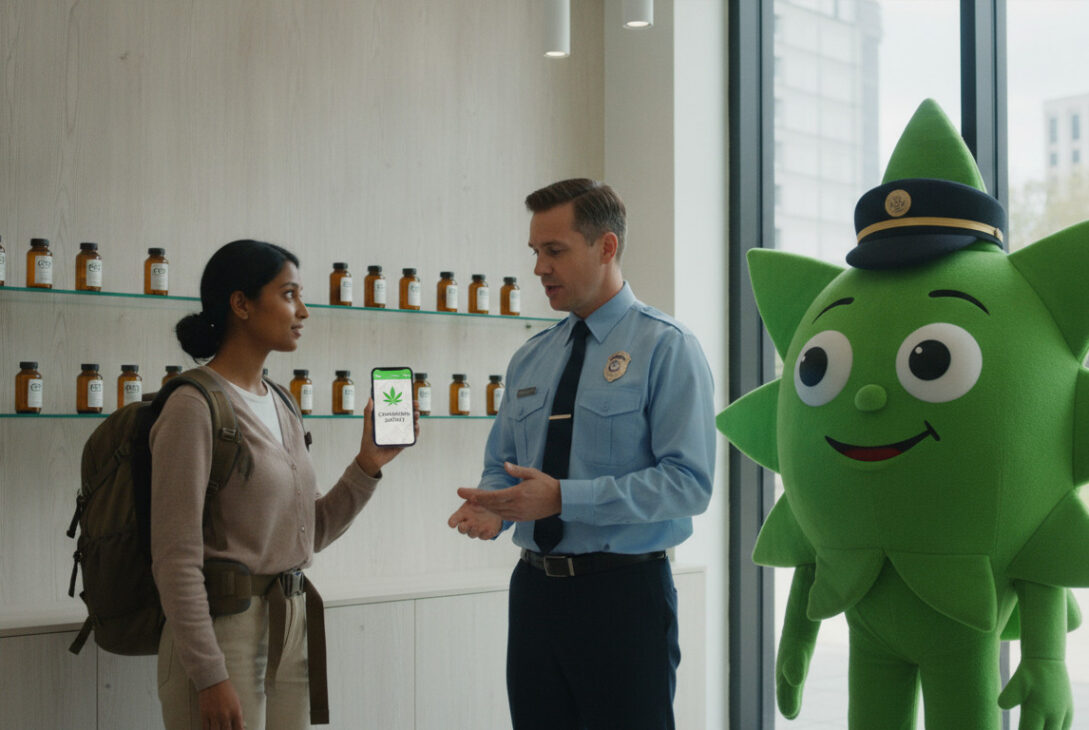
Tourists must learn host state rules before travel. Most states require buyers to be 21 and ban public smoking and driving under the influence. Never transport cannabis across state or international borders. Also check visitor pages like Washington’s Cannabis Safely for temporary rules and penalties in advance.
Related on CBD Advisor
- How does concierge cannabis reshape Manhattan dispensaries
- Why LA measure CB tax on unlicensed cannabis shops matters
- What makes cannabis cuisine both gourmet and safe