Oklahoma counties 15% public service impact tax on cannabis sales is a proposal stirring sharp debate statewide. Many residents worry about higher prices and shifting local budgets. However, county leaders say the levy would fund first responders and blight cleanup.
Because the bill would allow counties to place a voter-approved special election on the ballot—either initiated by county commissioners or by petitions signed by at least 5 percent of registered voters—and because the Oklahoma Tax Commission could agree to collect and enforce the levy for a 0.5 percent fee, supporters say revenue must be legally designated for specific local needs such as bolstering first responders, fixing neglected properties, and funding community services, therefore giving counties a practical tool to address public service gaps;
however, critics warn that a 15 percent retail levy can push consumers toward the unregulated market, raise out-of-pocket costs for patients and casual users, and create political battles over election timing and whether a tax duration should be limited or unlimited ahead of the proposed effective date of November 1, 2026, so residents and retailers should follow hearings in the Government Oversight Committee and the House County and Municipal Government panel before voting.
Oklahoma counties 15% public service impact tax on cannabis sales: what it means for consumers
Oklahoma counties 15% public service impact tax on cannabis sales would let counties add up to 15 percent. It would apply to retail cannabis purchases. Voters must approve the levy in a special election. Because of that, the tax is optional and decided locally. However, its effects would reach patients, recreational consumers, and retailers.
What the tax entails
- Counties could impose up to a 15 percent public service impact tax on cannabis retail sales.
- A majority of county voters must approve the tax in a special election.
- The special election can be called by county commissioners. It can also be triggered by a petition signed by at least 5 percent of registered voters.
- If voters reject the tax, counties must wait six months before holding another election.
- Revenue must be designated for specific local uses. Examples include supporting first responders and fixing run-down properties. Therefore, funds must go to the specific projects listed in the law.
- Counties could contract with the Oklahoma Tax Commission to collect and enforce the tax. However, collection adds administrative costs. For collection rules see Oklahoma Tax Commission.
- The bill would take effect on November 1, 2026, if approved.
How consumers are affected
- The tax would raise retail prices by up to 15 percent. As a result, out-of-pocket costs would increase for buyers.
- Some buyers may turn to the unregulated market, which carries safety risks.
- Patients on fixed incomes could feel the impact most, because medical costs may rise. Therefore, policymakers must weigh relief options.
- Retailers could see lower sales volumes and higher compliance burdens.
For more background reporting on the proposal, read the Ganjapreneur coverage: Ganjapreneur coverage.
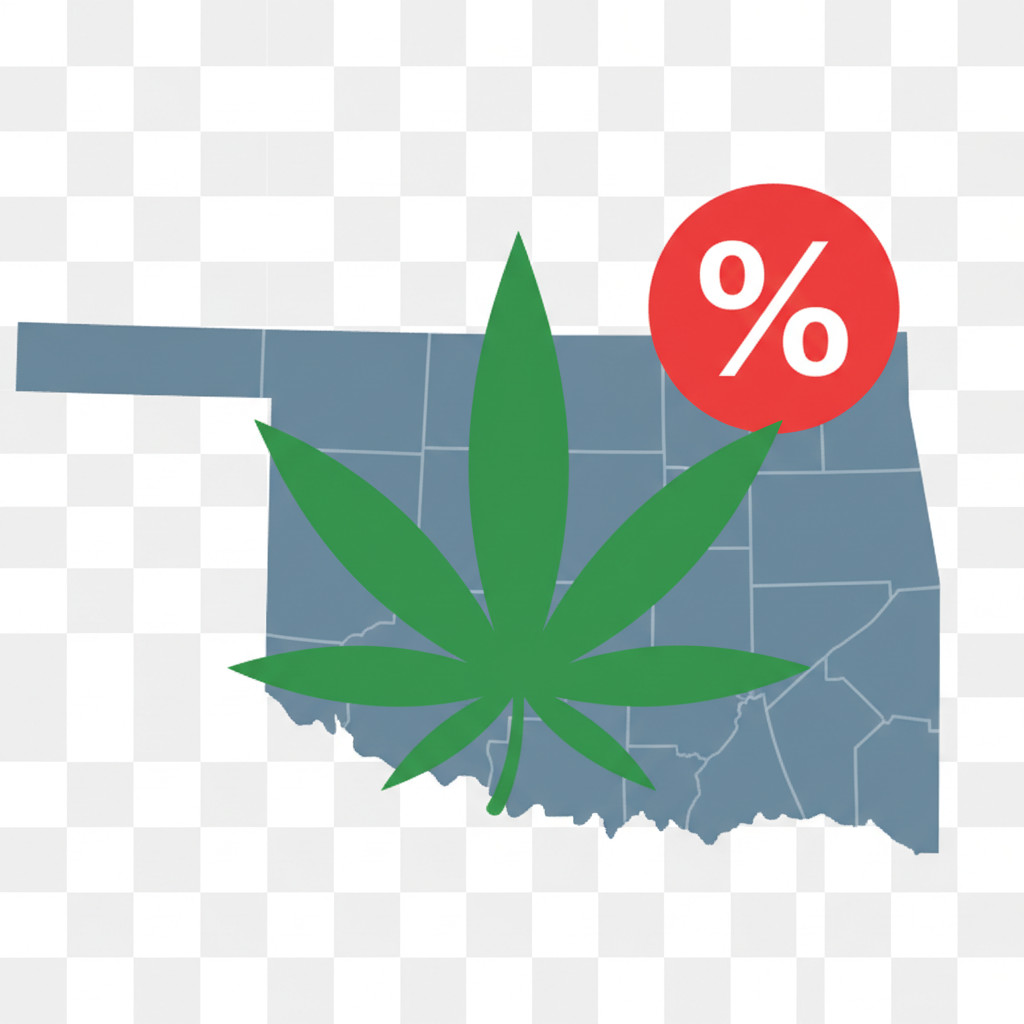
How Oklahoma counties 15% public service impact tax on cannabis sales would fund local services
Oklahoma counties 15% public service impact tax on cannabis sales would direct revenue to specific local needs. Because the bill requires designated uses, counties cannot spend the money on unrelated items. Voters would approve the tax and define the projects in each county.
Where revenue goes
- First responders such as county sheriff offices and fire departments could receive funds for equipment and overtime. Therefore, departments may reduce response gaps in rural areas.
- Code enforcement and public works could use money to repair run-down properties and abate blight. As a result, neighborhoods may see improved safety and higher property values.
- Road maintenance and infrastructure projects could get targeted dollars. Local governments could use levies to fix small bridges and potholes that state funds overlook.
- Community services including shelters, drug education, and youth programs could receive grants or operational support.
Agencies and oversight
- Counties would choose specific agencies and projects during the ballot process. County commissioners often lead the proposal and budgeting steps. Moreover, the Oklahoma Tax Commission may collect the tax for a 0.5 percent fee, if counties contract that service (source).
- Because funds must be designated, county treasurers and auditors would track spending. This creates more transparency than general fund allocations.
Context and official notes
- Sponsors Ryan Eaves, Grant Green, and Tom Woods say the tax will support local services that face funding shortfalls. For background, see the Oklahoma House news release (source).
- The bill advanced in committee, according to local coverage (source and source).
Tradeoffs
Although counties could fund pressing needs, higher retail costs may reduce taxable sales. Therefore, counties must balance revenue goals with price impacts on patients and consumers.
Comparison: Oklahoma counties 15% public service impact tax on cannabis sales and regional cannabis tax rates
Oklahoma counties 15% public service impact tax on cannabis sales appears higher than most neighboring rates. Below is a table of cannabis tax rates and impacts across the region for quick comparison.
| State | Tax Rate | Purpose of Tax | Impact on Consumers |
|---|---|---|---|
| Oklahoma (proposed) | Up to 15% county public service impact tax; voter-approved per county | Fund first responders, blight cleanup, infrastructure, community services | Could raise retail prices up to 15%; may push some buyers to unregulated market; higher burden on patients |
| Colorado | 15% excise (wholesale) plus 15% retail marijuana sales tax; local taxes may apply | Fund education, public health, regulatory programs, local governments | Significant price increase at retail; consumers pay combined excise and sales taxes |
| New Mexico | 12% excise on adult-use retail; scheduled increases to 18% by 2030 | Support public safety, health education, substance abuse programs | Gradual price increases; medical cannabis often exempt from excise |
| Missouri | 4% tax on medical marijuana retail sales | Allocated to veterans health and care funds | Modest price impact for patients |
| Arkansas | 6.5% state sales tax plus 4% cultivation privilege tax; local sales taxes apply | General revenue, regulatory administration, program support | Combined taxes raise costs for patients; varies by county/city |
| Texas | No legal adult-use market; limited low-THC medical program | Not applicable for a taxed retail market | No legal taxed market; consumers may rely on illegal sources |
| Kansas | Cannabis remains illegal statewide | Not applicable | No legal taxed market |
Notes
- Rates reflect state laws and common local practices as of early 2026 and may change.
- Oklahoma proposal requires county voter approval and could vary by county.
- For consumers, total price impact depends on combined state, county, and local taxes.
Conclusion
Oklahoma counties 15% public service impact tax on cannabis sales would let counties raise revenue for local needs. Voters must approve the tax in a special election. Because revenue must be designated, counties could fund first responders, blight cleanup, roads, and community services. However, the levy could raise retail prices and hit patients on fixed incomes. As a result, some consumers might shift to the unregulated market. Therefore counties must balance revenue goals with consumer protections and transparency. Moreover, contracting with the Oklahoma Tax Commission could ease collection but adds a 0.5 percent fee. Finally, residents and retailers should watch committee hearings and local ballots before decisions are made. We will update this page as the bill moves through committee and after any voter approvals. Stakeholders should weigh both the benefits and tradeoffs before voting.
Frequently Asked Questions: Oklahoma counties 15% public service impact tax on cannabis sales
Who pays the tax and who collects it?
Consumers pay the tax at retail. Retailers add the levy to the final sale price. Counties set the rate after voter approval. Because counties may contract with the Oklahoma Tax Commission, the Tax Commission can collect and enforce the tax for a 0.5 percent fee. For state collection rules see Oklahoma Tax Collection Rules.
How will the tax revenue be spent?
Revenue must go to designated local purposes. Typical uses include first responder funding, blight cleanup, road repairs, and community services. Voters and county officials define the specific projects in each county. Therefore funds cannot be used for unrelated general spending.
How much will prices rise for consumers?
The tax could add up to 15 percent at retail. As a result, the final cost to buyers will increase. However, total price impact depends on state and local taxes already in place. Patients on fixed incomes may feel the effect most, so counties may consider exemptions or relief measures.
How is the tax approved or repealed?
A majority of county voters must approve the tax in a special election. County commissioners can call the election. Alternatively, a petition signed by at least 5 percent of registered voters can trigger the vote. If voters reject the tax, counties must wait six months before trying again.
What are compliance and notice rules for rate changes?
Counties may hire the Oklahoma Tax Commission to administer the tax. The Tax Commission would notify taxpayers at least 60 days before any rate change. In addition, county treasurers and auditors would track designated spending. Finally, clear reporting helps ensure transparency and accountability.