Hemp in Japan: A Comprehensive Overview
Hemp in Japan occupies a rare place at the intersection of history, law, and industry. Because Japan balances deep cultural roots with strict modern rules, the plant inspires both interest and caution. This introduction hooks the reader with a contrast between ancient asa traditions and today’s zero-THC regulations. Moreover, it previews a landscape shaped by the Cannabis Control Act, narrow cultivation licenses, and emerging pharma-like medical pathways.
Travelers, policymakers, and entrepreneurs often ask how hemp can thrive here. The answer requires attention to law, culture, and supply chains. Therefore, understanding local rituals, textile crafts, and market limits matters. As a result, the story of hemp in Japan reads like a patient guide to reform. Finally, this article will map legal frameworks, industrial innovation, and wellness trends. It will also highlight key events such as JIHE 2025 and recent international collaborations.
Read on to learn how a native plant navigates one of the strictest regulatory systems in the developed world. You will find clear explanations, historical context, and practical insights.
Hemp in Japan: Historical Roots and Cultural Significance
Hemp in Japan has woven itself into ritual, dress, and daily life for centuries. Because the plant, called asa in Japanese, offered strong fibers, people used it for ropes, garments, and sacred objects. However, modern law and industrial change altered those traditions.
Origins and ritual uses
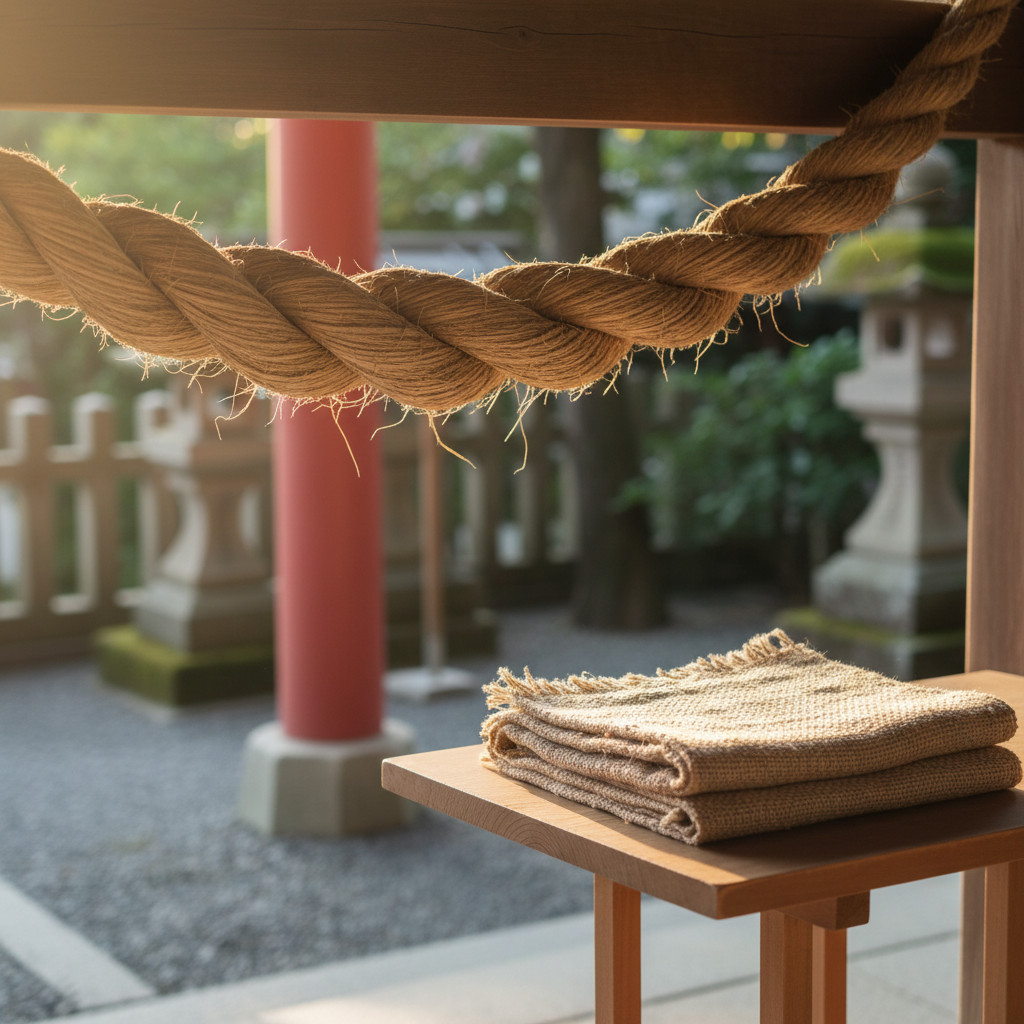
- Asa served as a symbol of purity in Shinto practice. For example, shrines used hemp to make shimenawa sacred ropes that mark holy spaces. See detailed context at Nippon.com.
- The purification wand ōnusa originally incorporated hemp strips. Therefore, hemp linked the human and divine in ceremonial life.
- Hemp cloth featured in imperial and shrine offerings, often alongside silk, during rites such as the Daijōsai. For more cultural background, consult Mimusubi.
Economic and material culture
- Farmers valued asa for rope, fishing nets, and durable textiles. As a result, hemp supported rural economies before synthetic fibers emerged.
- Japan’s postwar Cannabis Control Act of 1948 sharply limited cultivation, and the number of licensed growers dropped dramatically. The law remains the pivot of modern regulation: Japanese Law Translation.
Enduring legacy and modern memory
- Although commercial hemp declined, shrines continue to use hemp symbolism. Thus, ASA remains part of Japanese identity.
- Today’s conversations link heritage with industry and wellness. For market context and how global laws shape options, see My CBD Advisor.
These historical threads explain why contemporary policy feels cautious. As a result, understanding cultural memory helps decode legal choices.
Hemp in Japan: Legal Status and Industrial Uses
Japan treats hemp with tight legal controls and selective industrial openness. Because THC remains illegal, regulators require zero-THC verification for all CBD products. However, lawmakers opened a path for cannabis-derived medicines in late 2023. As a result, Japan is moving toward a pharma-like model for medical cannabis in 2026. For reporting on the legislative change, see this article.
Key legal features
- The Cannabis Control Act remains the primary law. It sharply limits possession, use, and cultivation. For the official law text, visit this link.
- Cultivation occurs only under narrow licenses with strict oversight. Therefore, research and industrial trials require government approval.
- CBD is legal only when demonstrably free of THC. Consequently, manufacturers must prove product purity.
- Newer rules target consumer compounds such as CBN. For recent consumer-product regulation updates, read this update.
Industrial applications and products
- Textiles and traditional crafts: hemp textiles, asa fabric, and shrine ropes
- Construction materials: hemp-based boards and insulation
- Cosmetics and skincare: hemp seed oil and zero-THC extracts
- Nutraceuticals: protein-rich hemp seeds and dietary supplements
- Medical research: clinical trials and pharma-grade cannabinoid medicines
- International collaboration: supply chain partnerships and research agreements such as those discussed after JIHE 2025
Because regulation remains strict, industry growth is cautious. Therefore, businesses focus on zero-THC value chains. Moreover, heritage uses remain central to product storytelling. Finally, this dual path shapes innovation and compliance in equal measure.
| Aspect | Japan | United States | Europe |
|---|---|---|---|
| Legal status of THC | Because THC is illegal, penalties are strict. | Varies by state; federally hemp is legal under 0.3% THC. | EU and many countries limit THC to 0.2–0.3%, but rules vary. |
| CBD rules | Only zero-THC CBD is allowed; strict testing required. | Broad availability; Farm Bill allows hemp-derived CBD under 0.3% THC. | Widely available; novel food rules and national limits apply. |
| Cultivation licensing | Narrow government licenses with tight oversight. | State registration or licensing; larger commercial farms common. | Mixed systems; many countries use national registration and subsidies. |
| Cultural acceptance | Cautious and ceremonial, with strong heritage ties. | Growing mainstream acceptance and commercial culture. | Generally high acceptance; heritage uses persist in some regions. |
| Enforcement | Aggressive enforcement of possession and THC offenses. | Patchwork enforcement; approach varies by state. | Enforcement varies; many countries tolerate industrial hemp. |
| Industrial applications | Textiles, shrine ropes, construction, cosmetics, nutraceuticals. | Textiles, paper, building materials, food, large CBD market. | Textiles, construction, food, cosmetics, and pharma research. |
| Medical access | Moving to a pharma-like medical model in 2026. | Many states allow medical cannabis; federal law unchanged. | Several countries allow medical cannabis on prescription. |
| Notable feature | Strong cultural memory and the Cannabis Control Act. | Large private market and fast-paced innovation. | Harmonized THC limits but diverse national frameworks. |
This table shows how Hemp in Japan differs from other major markets. Therefore, Japan emphasizes control and heritage, while other regions favor broader commercial use.
Conclusion
Hemp in Japan stands apart for its blend of deep cultural memory and strict modern regulation. Because asa threads connect shrines, textiles, and ritual life, the plant carries symbolic weight. However, the Cannabis Control Act and zero-THC rules keep industry development cautious and highly regulated. Therefore, progress follows a slow, deliberate path that values social cohesion and safety.
For clear, trustworthy information on cannabinoids and market trends, rely on MyCBDAdvisor. Visit MyCBDAdvisor for transparent guides, regulatory updates, and educational resources. Finally, remain curious and patient; learning more about hemp here opens doors to heritage, wellness, and responsible innovation.
Frequently Asked Questions (FAQs)
What is the legal status of hemp in Japan?
Hemp in Japan is legal under narrow, regulated conditions. The Cannabis Control Act bans THC. Licensed cultivation occurs for industrial and research use. CBD products are legal only when demonstrably THC-free. As a result, possession of THC can lead to arrest.
Can I buy or bring CBD products into Japan?
You can buy domestic zero-THC products. However, imported CBD often faces strict inspection. Therefore travelers should carry certificates proving zero-THC content. Otherwise customs may confiscate items or press charges.
Who may cultivate hemp and how is it licensed?
Only approved farmers and research bodies may cultivate hemp. Authorities grant narrow licenses with oversight. Consequently cultivation remains limited and regionally focused. Businesses must follow testing and reporting rules.
What cultural roles has hemp played historically?
Hemp, called asa, appears in Shinto rites and textile crafts. Shrines use braided shimenawa ropes made from hemp fibers. Moreover artisans made durable clothing for centuries. Thus cultural memory informs modern hemp narratives.
Are hemp products safe and what about medical access?
Japan requires laboratory verification and zero-THC proof for consumer safety. The country plans a pharma-like pathway for cannabis medicines in 2026. Therefore patients should expect regulated, prescription systems rather than open markets.