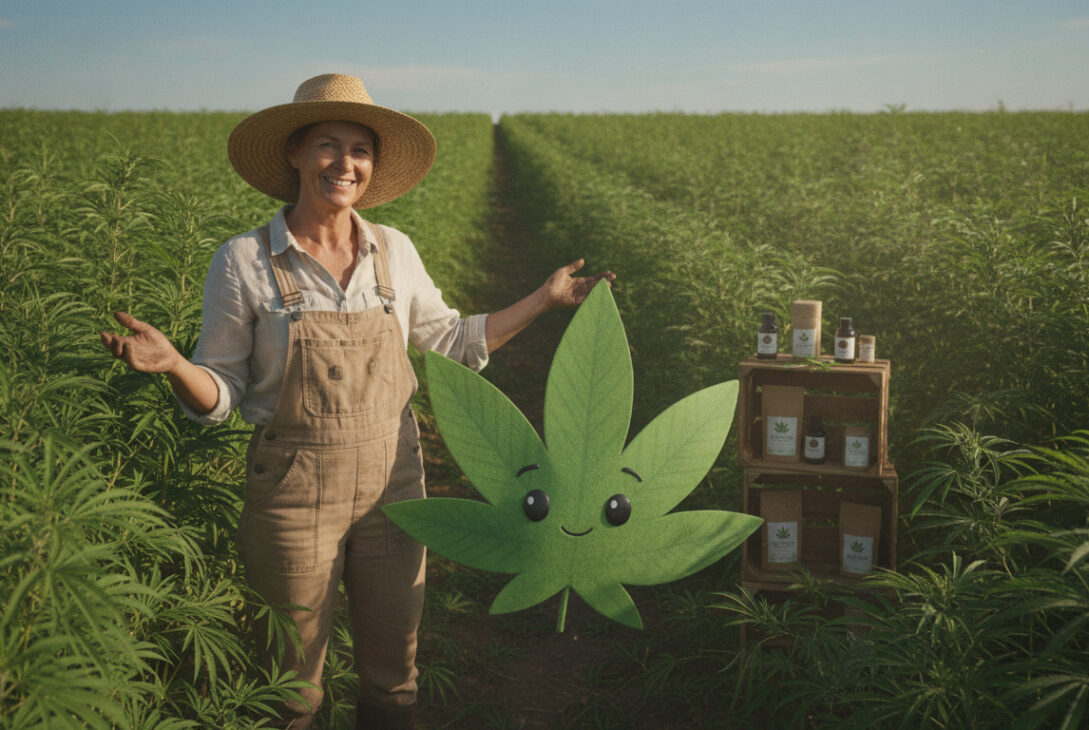
Sustainability in modern cannabis matters now more than ever, because the industry stands at a crossroads where environmental cost, economic survival, and community responsibility collide into a single urgent agenda; this article opens with a clear call to rethink how we grow, package, and scale cannabis so future markets do not inherit today’s waste and inequity.
While the sector still feels young, however, its energy use, single use packaging, and social impacts already strain ecosystems and communities, so we must examine why outdoor sun grown cultivation can lower power grid loads and widen margins for cultivators while also cutting carbon footprints.
Moreover, the piece explores how corporate social responsibility differs from sustainability yet strengthens it when companies act ethically, and it highlights real world innovators who are leading with better packaging and community reinvestment because practical examples spur broader change.
Finally, the article will map policy levers, business practices, and consumer choices readers can use to vote with their dollars and help steer cannabis toward a resilient, equitable, and genuinely sustainable future.
What is sustainability in modern cannabis?
The term sustainability in modern cannabis means minimizing environmental harm across cultivation and packaging. It also saves energy and water, reduces waste, and improves economic viability and resilience. Moreover, it demands social responsibility through fair labor, community reinvestment, and transparent governance. Together, these practices make cannabis more equitable and future proof. They also foster trust.
Environmental Benefits of Sustainable Cannabis
Sustainability in modern cannabis reduces harm to ecosystems while boosting long term farm viability and community health. In particular, eco-friendly cannabis methods and green cannabis practices cut energy use, save water, and protect soil and biodiversity. Below are clear environmental benefits with vivid examples and supporting sources.
- Organic farming restores soil and biodiversity. For example, rotating cover crops and avoiding synthetic pesticides brings pollinators back and improves soil carbon. As a result, farms run healthier ecosystems and grow more resilient plants.
- Water conservation protects rivers and watersheds. Techniques such as drip irrigation, offstream storage, and timed watering can cut water demand during droughts. University research shows targeted conservation reduces dry season withdrawals and lowers ecological strain (Source).
- Renewable energy and outdoor sun grown cultivation slash greenhouse gas emissions. Outdoor and greenhouse production use far less electricity than indoor grow rooms. A peer reviewed review details large differences in energy intensity and highlights energy efficiency and outdoor cultivation as key mitigations (Source).
- Less waste and smarter packaging reduce landfill pressure. Moving away from single use child proof containers toward recyclable alternatives lowers plastic waste and lifecycle impact.
For practical examples of regional shifts, see regional cultivation trends here: Regional Cultivation Trends. For technology that cuts resource use, read about automation for cannabis manufacturing: Automation in Cannabis Manufacturing. For cleaner processing methods, consider solventless extraction at scale: Solventless Extraction at Scale.
Sustainable vs Conventional Cannabis Cultivation
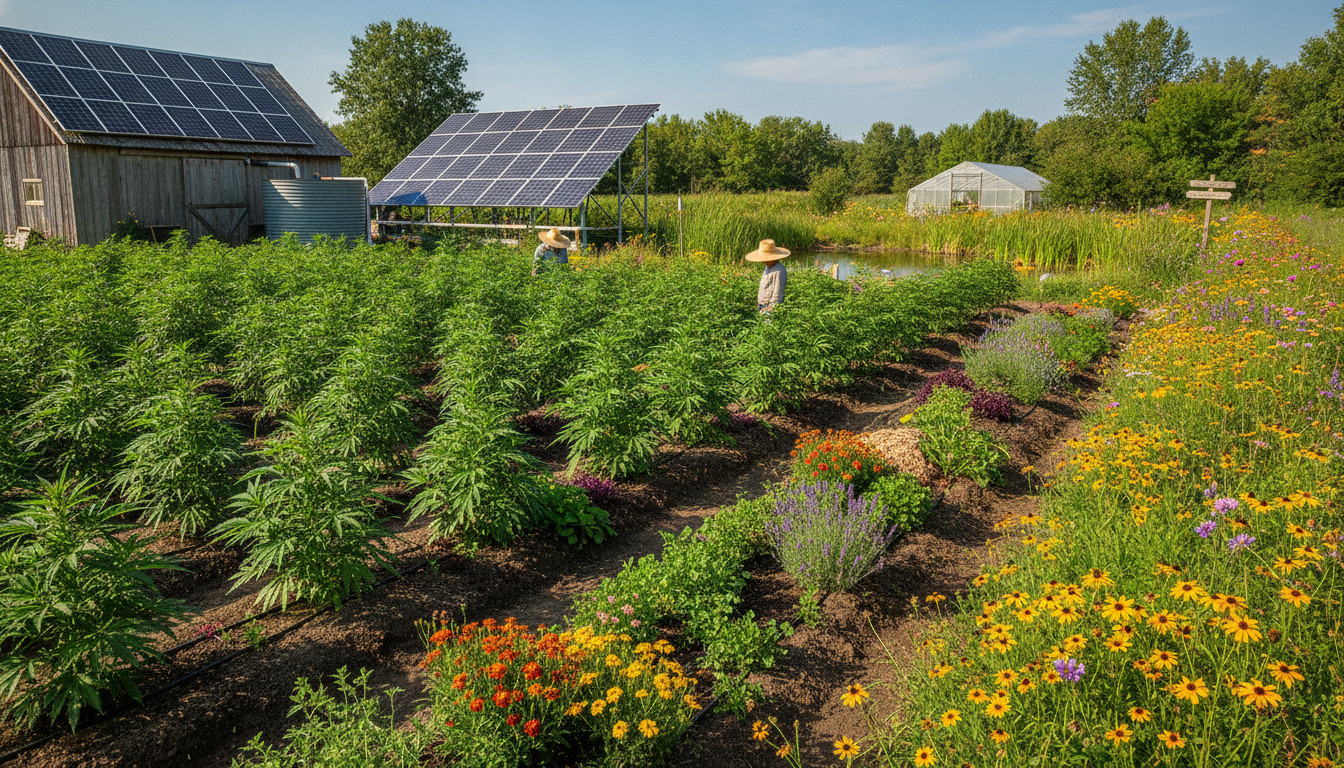
Sustainability in modern cannabis frames how growers use resources, treat communities, and manage waste. Because eco-friendly cannabis and green cannabis practices lower energy and water demand, they also reduce long term costs. However, conventional indoor farms often prioritize uniform yields over ecological health and social responsibility.
| Factor | Sustainable cultivation | Conventional cultivation | Advantage |
|---|---|---|---|
| Resource use | Lower electricity with solar and passive sun grown; drip irrigation cuts water use | High electricity from HID lights and HVAC; heavy water use for indoor systems | Cuts energy bills and eases power grid strain |
| Environmental impact | Enhances soil, supports pollinators, lowers greenhouse gas emissions | Degrades soil, raises emissions, and causes biodiversity loss | Protects ecosystems and reduces carbon footprint |
| Cost | Higher upfront for solar and soil repair; lower operating costs over time | Lower start costs for indoor setup; high ongoing utility bills | Improves long term profitability |
| Crop yield | Slightly variable by season; higher quality cannabinoid profiles possible | More consistent year round yields with controlled environments | Better product quality and market value |
| Waste and packaging | Focus on recyclable packaging and composting organic waste | Frequent single use plastics and solvent waste | Reduces landfill and lifecycle impacts |
| Community impact | Encourages local hiring and community reinvestment | Often centralized, minimizing local economic benefits | Strengthens social license and public goodwill |
How to Adopt Sustainability in Cannabis Cultivation
Sustainability in modern cannabis starts with practical changes growers can make today. Because energy and water drive most operating costs, small fixes often pay back quickly. Therefore, this list gives five clear, actionable steps to reduce resource use, improve soil health, and boost long term margins.
- Install solar panels and battery storage to cut grid electricity and lower emissions.
- Switch to drip irrigation and rainwater capture to conserve water during dry seasons.
- Build healthy soil with compost, cover crops, and reduced tillage to increase resilience.
- Choose recyclable packaging and implement waste sorting to reduce landfill and lifecycle impact.
- Track metrics and publish sustainability goals to improve transparency and attract partners.
Because funders now favor sustainable operations, these steps also unlock financing and market opportunities globally. Start with one or two steps, scale up as you save money, and engage the community for support.
Conclusion
Sustainability in modern cannabis must guide the industry’s growth if we want resilient farms and healthy communities nationwide. Because outdoor sun grown cultivation, renewable energy, and water-saving techniques lower emissions and costs, growers benefit and improve resilience. Moreover, ethical packaging and meaningful community reinvestment build trust and long term market value, and strengthen brand reputation.
Policy, finance, and consumer choices must align to scale green cannabis practices across regions and climates. Therefore support sustainable products, vote with your dollars, and demand transparency from brands, regulators, and suppliers. Learn more and find trusted resources at mycbdadvisor.com to support this positive shift and take action today.
Frequently Asked Questions (FAQs)
What does sustainability in modern cannabis mean?
Sustainability in modern cannabis means reducing environmental harm across cultivation and packaging. It saves energy and water, reduces waste, and demands social responsibility. Therefore it aligns business resilience with community health.
How does outdoor cultivation reduce environmental impact?
Outdoor cultivation uses sunlight instead of intensive electrical lighting. As a result it cuts greenhouse gas emissions and eases power grid loads. Moreover, it often reduces cooling and ventilation needs.
Are sustainable practices more costly for growers?
Sustainable practices can require higher upfront investment in solar, soil, and water systems. However, they typically lower operating expenses and improve margins over time. Therefore many farms recoup costs within a few seasons.
How can consumers support sustainable cannabis?
Buy products labeled with transparent sustainability claims and recyclable packaging. Also support brands that reinvest in local communities and publish environmental goals. Voting with your dollars sends a clear market signal.
What policy changes encourage greener cannabis practices?
Policies that offer incentives for renewable energy and water efficiency speed adoption. Moreover, grants, tax credits, and green financing lower barriers for small operators. Therefore regulators play a crucial role in scaling green cannabis practices.