Introduction
Use plant based rituals to reduce stress and support focus with simple measurable steps.
Botanical wellness offers gentle, evidence informed tools such as adaptogens and functional mushrooms that integrate into daily routines for clearer focus and calmer energy. Consumers increasingly choose products that pair transparency with ethical sourcing and low impact packaging (see market report).
At Simply Crafted we combine third party testing with reduced chemical inputs to protect soil and support growers. Below is a practical guide with measurable rituals, dosing tips, and a sustainability checklist for daily use.
What you’ll learn
- Daily botanical rituals
- Adaptogen dosing
- Sustainable packaging checklist
Sources: functional mushroom market report, regenerative mushroom sustainability overview
What is Botanical Wellness & Sustainability?
Botanical Wellness and Sustainability uses plant based ingredients and practices to support personal health and protect ecosystems. It focuses on evidence based botanicals, daily rituals, and transparent sourcing. Adaptogens like ashwagandha reduce cortisol and support stress resilience. Functional mushrooms such as Lion’s Mane may aid cognitive function and nerve growth activity.
Regenerative sourcing rebuilds soil, boosts biodiversity, and cuts chemical inputs through cover cropping and reduced tillage. Together these elements create traceable functional stacks and measurable daily rituals.
A commuter adds 300 mg ashwagandha each morning and notes reduced afternoon anxiety after three weeks. Many users track subtle benefits when they log use and symptoms weekly.
Further reading (see studies on ashwagandha and Lion’s Mane: ashwagandha clinical review, Lion’s Mane review)
Benefits of Botanical Wellness & Sustainability
Stress Mood and herbal supplements
Adaptogenic herbal supplements can support stress resilience and help balance mood when used consistently as part of daily rituals. Studies suggest some botanicals lower stress biomarkers and improve subjective wellbeing.
- Evidence examples: ashwagandha cortisol study showing reduced cortisol and improved stress scores; a randomized trial of Rhodiola rosea for stress related fatigue demonstrating reduced fatigue and improved stress symptoms.
Safety reminder: Herbal products can interact with medications so consult your healthcare provider and confirm third-party testing before use by reviewing the NCCIH safety guidance.
Cognitive Support
Functional mushrooms and targeted nootropic stacks may provide cognitive clarity and neuroprotective support when paired with healthy lifestyle habits. Early research indicates potential benefits for memory, focus, and nerve growth factors.
- Evidence examples: clinical and review data on Lion’s Mane and cognitive effects showing promise for memory and focus; broader functional mushroom review summarizing mechanisms and preliminary human studies.
Environmental Impact
Choosing plant based products and regenerative sourcing often reduces carbon footprint and supports soil health across the supply chain. Packaging choices further influence waste reduction and circularity.
- Evidence examples: documented advantages of regenerative agriculture for soil and biodiversity; EPA packaging and recycling data on how recyclable materials cut waste and emissions.
How to Practice Botanical Wellness Sustainably
Botanical wellness grows from small, measurable habits that favor plant based ingredients, traceability, and lower environmental impact. Below are concise steps, exact checks, and a focused seven day starter plan to make routines simple and sustainable.
1. Choose tested botanicals
- Check a Certificate of Analysis (COA) and lab accreditation; confirm the product batch or lot number matches the COA
- Review the contaminants panel for heavy metals and microbes and confirm active marker percent where applicable (for example withanolides)
2. Opt for regenerative sources
- Verify farm traceability and published sourcing details
- Confirm regenerative practices such as cover cropping or reduced tillage when available
3. Favor sustainable packaging
- Choose recyclable or compostable materials and reusable formats
- Check refill or return options to reduce single use waste
4. Use measured doses
- Start with evidence based ranges such as ashwagandha 300–600 mg once daily and track response over two to four weeks
- Record dose, time of day, and perceived effect to refine your stack
5. Grow simple herbs
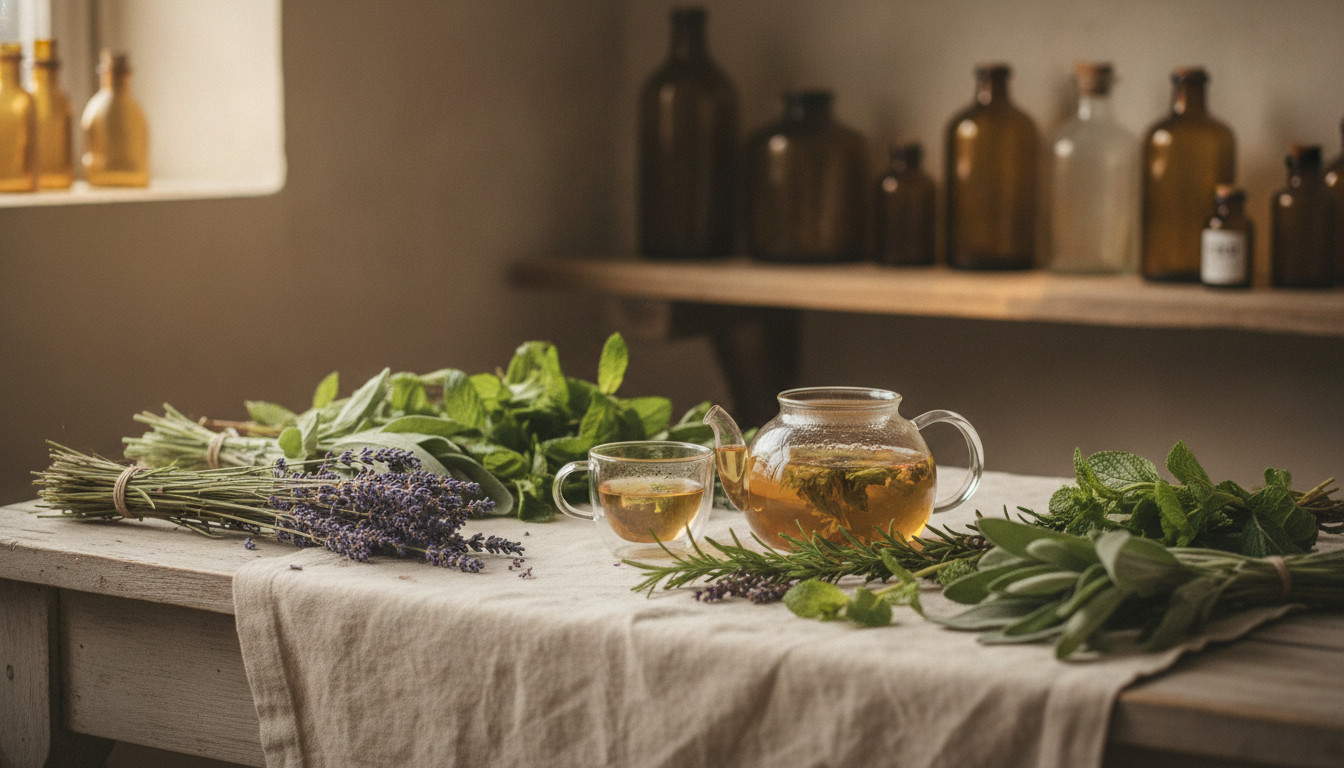
- Cultivate basil, mint, or rosemary on a windowsill to lower transport impact
- Note harvest dates and frequency to compare freshness and use
6. Reuse brewing tools
- Prefer glass or stainless steel brewers to preserve flavor and cut waste
- Log brewing time and perceived effects for consistent rituals
7-Day Starter Plan
- Day 1: Move one supplement into a glass jar and note the batch number — track ease of use 1–5
- Day 2: Locate the COA for that batch and confirm lab accreditation — record confidence yes or no
- Day 3: Swap one product for recyclable packaging or a refill option — track packaging type used
- Day 4: Start ashwagandha 300–600 mg once daily — track stress score 1–10 each evening
- Day 5: Plant a small herb pot and log watering — track days watered
- Day 6: Brew with glass or stainless tools and note effects after 30 minutes — track alertness 1–5
- Day 7: Review notes on quality, packaging, and effects and set a 30 day follow up — track overall satisfaction 1–10
Further reading on COAs and dosing is available at the COA guide and ashwagandha review. For third party testing standards see the U.S. Pharmacopeia.
Comparing Botanical Wellness & Traditional Health Methods
| Aspect | Botanical Wellness | Traditional Health Methods |
|---|---|---|
| Sustainability | Typically uses regenerative sourcing and low impact packaging, supporting biodiversity and soil health. | Often depends on industrial production and synthetic inputs, which can increase resource use and waste. |
| Health Benefits | Offers gentle, holistic support using adaptogens, functional mushrooms, and minor cannabinoids; evidence varies by ingredient. | Provides targeted, fast-acting treatments with strong clinical evidence, but may cause more side effects. |
| Sourcing Methods | Sourced from small farms, transparent supply chains, and third-party lab testing. | Manufactured at scale through pharmaceutical supply chains and chemical synthesis. |
| Environmental Impact | Generally lower carbon footprint when locally sourced, and promotes recyclable packaging. | Higher emissions and chemical runoff risk, with more single use packaging. |
| Daily Integration | Fits into daily rituals and functional stacks for preventive care and calm resilience. | Typically used episodically for acute issues and under medical supervision. |
Current Trends
Botanical wellness and sustainability are moving from niche into mainstream consumer demand. Functional mushrooms market estimated at about $32.5 billion in 2024, per a market report functional mushrooms market report. Other industry analyses show continued growth and varied forecasts, reflecting strong product innovation and investment functional mushrooms market analysis.
- Transparent supply chains and batch level testing
- Regenerative agriculture adoption among growers
- Refillable packaging and recycling innovations
- Science forward dosing and accessible third party testing
A small mushroom farm adopted regenerative substrate practices and published batch level lab reports with QR code access. The cooperative also piloted a refill kiosk at a local retailer to reduce single use containers. Takeaway: traceability and refill systems are tangible steps consumers can demand.
CONCLUSION
Botanical Wellness & Sustainability combines plant based daily rituals with eco friendly sourcing. This approach supports calm resilience, cognitive support, and long term preventive care. Because sourcing choices affect soil health and community livelihoods, transparency matters.
Adopting sustainable practices reduces waste and lowers carbon impact over time. Therefore, choose regeneratively sourced botanicals, third party testing, and recyclable packaging. Start small with a daily ritual, and build consistency for measurable benefits.
Explore botanical options responsibly, follow dosing guidance, and consult healthcare providers when needed. As a result, you protect your wellbeing and help preserve natural systems. Learn more about sustainable botanical choices at sustainable botanical choices and join the journey.
Frequently Asked Questions (FAQs)
Is botanical wellness effective?
Botanical Wellness & Sustainability can offer meaningful support for stress, sleep, and focus. Evidence varies by ingredient, so choose well studied options like ashwagandha or certain mushrooms. Also, consistent daily rituals and correct dosing increase the chance of benefit. Track effects and adjust doses slowly to find what works.
How can I verify sourcing and sustainability?
Look for regenerative farming claims, supplier traceability, and transparency reports. Check for third party lab results and clear ingredient lists. If available, prefer local growers to lower transport emissions and support community economies. Verify certifications and ask questions about farm practices.
What are the main health benefits?
Botanical approaches often support stress resilience, gentle mood balance, and cognitive clarity. Functional mushrooms and adaptogens contribute to brain health and energy regulation. As a result, many users find sustained improvement with daily functional stacks. Pair mushrooms with supportive lifestyle habits for best results.
How does botanical wellness affect the environment?
When sourced responsibly, botanical products reduce chemical runoff and support soil health. Choosing recyclable packaging and refill systems also cuts single use waste. Therefore, mindful sourcing directly lowers a product’s environmental footprint. Support brands with clear environmental reporting and impact metrics.
Are botanical products safe to use?
Botanicals are generally safe for many people but can interact with medications. Because of that risk, consult your healthcare provider before starting new stacks. Always follow dosing guidance and choose products with third party testing. Report any side effects and stop use if concerns arise.
Related on CBD Advisor
- Can botanical synergy in functional gummies boost daily performance
- How does botanical synergy shape gummy potency and timing
- How is Tamara Anderson redefining cannabis wellness