Tamara Anderson: Redefining Cannabis Wellness
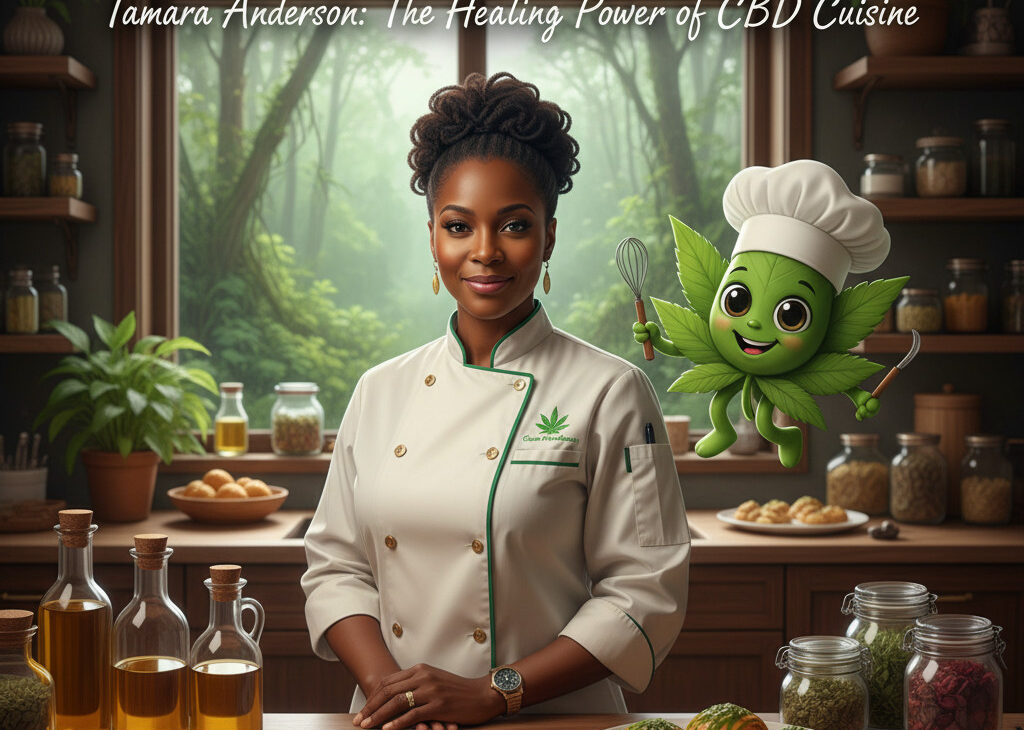
Tamara Anderson has built luxury cannabis wellness events across Southern California. Because she blends nursing training with hospitality, she creates welcoming, trauma-informed spaces. Her Culinary & Cannabis work and the CannaSpa Wellness Lounge helped shift how people view cannabis. As a result, attendees replace stigma with curiosity and calm.
This introduction previews how Anderson merges clinical insight and creative design. However, the story is also about social justice and industry equity. She confronted biases and even hid her face to open doors for brands and chefs. During the pandemic, she shipped DIY topical kits to strangers seeking care. She later hosted Grammy Week events for more than 300 guests. The article explores trauma-informed healing, POC-centered programming, and luxury cannabis wellness events. It also examines how the War on Drugs shaped access and trust.
Read on to learn practical steps and inspiring examples. You will find tips for clinicians, chefs, and brands aiming to destigmatize cannabis. Therefore, expect both advocacy and real-world tactics in the sections ahead.
Tamara Anderson’s Approach to Cannabis Wellness
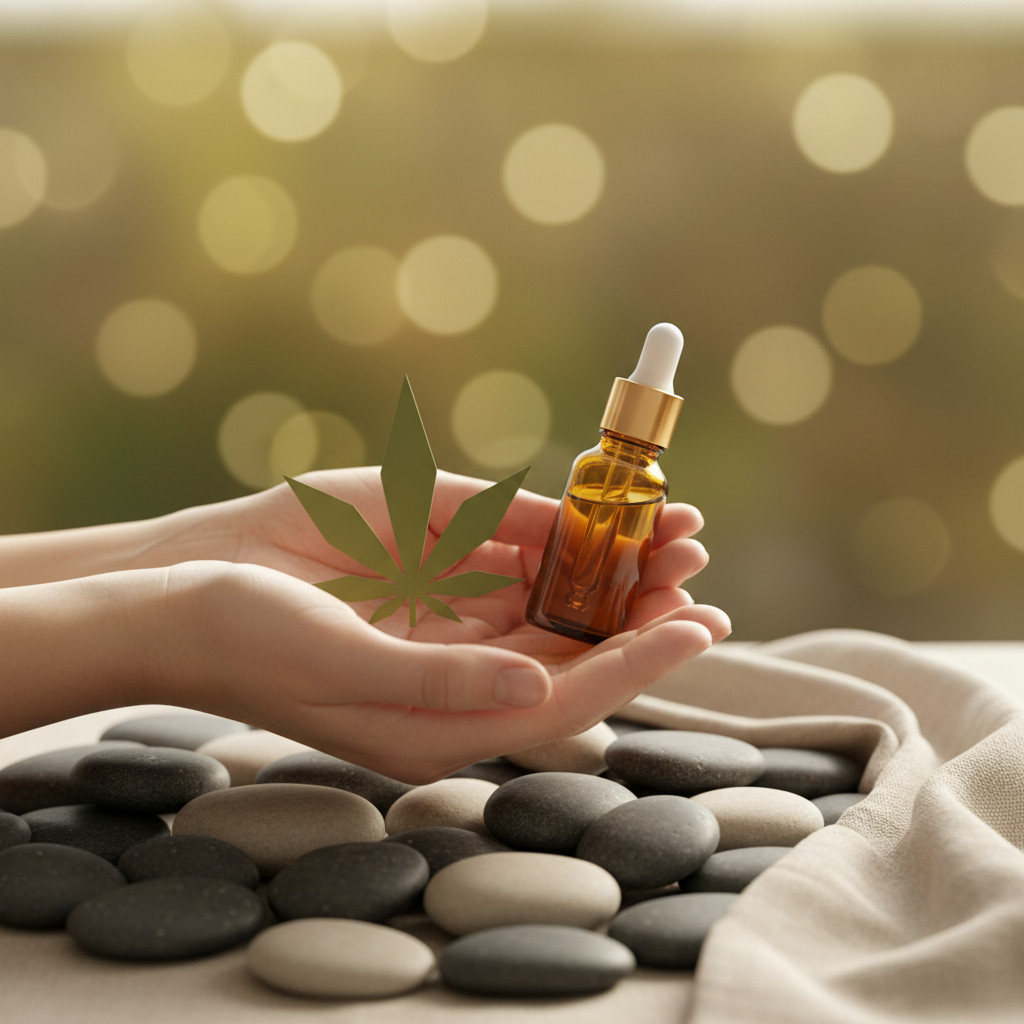
Tamara Anderson blends clinical training and hospitality to create luxury cannabis wellness experiences. Because she trained in nursing, she understands safety and trauma-informed care. As a result, her events feel like calm clinical alternatives. She stages spaces that welcome the canna-curious and soothe people used to cold clinics.
Key elements of her approach include
- Trauma-informed healing techniques such as gentle intake and consent-focused offerings
- POC-centered programming that prioritizes access and cultural competence
- Luxury cannabis wellness events featuring CBD massage, sound baths, and bodywork
- Community-first practices like DIY topical kits during the pandemic
- Partnerships with chefs and brands to normalize cannabinoids in culinary settings
Her model serves clinics, chefs, and consumer brands. Therefore, it offers practical templates for scaling wellness programs. Moreover, Culinary and Cannabis-style events can help destigmatize cannabis in mainstream health spaces. For industry context, reliable research on cannabis and public health is available from the National Institute on Drug Abuse and the CDC. For cultural and industry trends, see High Times.
Tamara Anderson and Social Justice in Cannabis
Tamara Anderson centers equity in everything she builds. She acknowledges how the War on Drugs harmed Black communities. However, she also crafts re-entry and equity programs that create new pathways.
Practical impacts include
- Expanding access through POC-centered events and equity programs
- Quietly navigating industry bias to let brands and chefs participate fairly
- Using luxury design to reduce stigma and encourage questions about cannabis
- Hosting large-scale CannaSpa events, such as Grammy Week gatherings with more than 300 guests
Because she combines advocacy and hospitality, Anderson changes expectations about cannabis care. Therefore, her work acts as both inspiration and a blueprint. It helps brands, clinicians, and community organizers build inclusive, evidence-informed wellness programs. Her approach promotes Black entrepreneurship and trauma-aware practice within the broader cannabis industry.
CBD Product Types and Industry Trends
The table below compares common CBD product types, benefits, typical uses, dosage forms, and current industry trends. Because consumers vary in goals and tolerance, this guide helps clarify options and tradeoffs.
| Product Type | Typical Use | Key Benefits | Common Dosage or Form | Current Industry Trend |
|---|---|---|---|---|
| Oils and Tinctures | Sublingual dosing for flexible control | Fast absorption, anxiety relief, sleep support | Drops measured in mg; start low (5 to 25 mg) | Growth in premium full-spectrum oils and microdosing |
| Topicals (creams, balms) | Localized relief for muscles and skin | Targeted pain relief, anti-inflammatory effects | Applied directly; concentration in mg per container | Increased use in spa and CBD massage services |
| Edibles (gummies, chocolates) | Long-lasting systemic relief | Consistent dosing, convenient, discreet | Pre-measured mg per piece; slower onset | Rising demand for functional edibles with adaptogens |
| Vape Products | Rapid onset for acute symptom relief | Fastest delivery to bloodstream | Measured in mg per cartridge or puff | Regulatory scrutiny, but still popular for immediacy |
| Capsules and Softgels | Routine daily dosing | Predictable effects, easy tracking | Standardized mg per capsule | Growth in wellness formulations and combined botanicals |
| Isolates and Distillates | Precise CBD content for formulations | THC-free options, high purity | Powder or oil; defined mg per serving | Use in research, formulations, and regulated products |
| Full-spectrum vs Broad-spectrum | Choice between entourage effect and zero-THC | Full-spectrum includes trace cannabinoids; broad-spectrum omits THC | Labeled mg plus cannabinoid profile | Consumers favor full-spectrum for efficacy; legal clarity matters |
Safety tips and evidence-based notes
- Always choose third-party tested products for purity and potency. Therefore, check certificates of analysis.
- Discuss CBD with a clinician if you take medicines or have health conditions. However, rules and research evolve quickly.
- For new users, start low and go slow, because individual responses vary.
Related keywords and synonyms: CBD oil, hemp extract, cannabinoid therapy, CannaSpa, trauma-informed healing, canna-curious.
What Research Says and How Tamara Anderson Applies It
Tamara Anderson translates emerging CBD research into practical wellness programs. Because she comes from nursing, she applies clinical caution. As a result, her events prioritize safety, consent, and measurable outcomes.
Evidence-based links to practice
- Topical applications: Clinical and preclinical studies show promise for topical cannabinoids in pain relief. Therefore, Anderson’s DIY topical kits and CannaSpa treatments align with current findings. See a systematic review on topical cannabinoids at this link for deeper context.
- Systemic benefits: Reviews suggest cannabidiol may reduce anxiety and moderate pain responses. However, the literature calls for larger clinical trials. Anderson uses low, measured dosing and gentle programming to reflect that uncertainty. For a broad scientific and regulatory overview, review this resource.
- Pain and inflammation: Systematic reviews link CBD to analgesic and anti-inflammatory effects in certain models. Therefore, clinicians can reasonably consider CBD as an adjunct treatment. A recent synthesis of clinical and preclinical evidence is available at this study.
Concrete examples from Anderson’s work
- During the pandemic, she shipped DIY topical kits to isolated clients. This example mirrors topical research and shows community-first care.
- At a Grammy Week CannaSpa, more than 300 guests experienced CBD massage and bodywork. Consequently, her events offer real-world data on user comfort and acceptance.
- She stages trauma-informed intake and consent processes. Therefore, participants report feeling safe and able to ask deeper health questions.
Practical takeaways for clinicians and brands
- Start with third-party tested products and transparent labeling. For safety, always consult clinical guidance.
- Match product form to goals; use topicals for localized pain and tinctures for systemic symptoms.
- Combine aesthetic design with evidence-based protocols to reduce stigma and improve engagement.
By linking research to hospitality, Tamara Anderson builds inclusive, evidence-aware wellness experiences. Her model offers a tested blueprint for CBD programs in clinical and community settings.
CONCLUSION
Tamara Anderson’s work shows how care, design, and evidence can change cannabis culture. Because she pairs nursing insight with hospitality, she creates safe, trauma-informed spaces. As a result, attendees feel welcomed and empowered to ask health questions.
Her model bridges research and real-life practice. Moreover, Anderson uses measured dosing, third-party tested products, and consent-driven intake. Therefore, clinicians and brands can use her approach as a practical blueprint. It reduces stigma and supports POC-centered access.
If you want to learn more, explore research-backed product guides and trauma-aware program templates. However, always consult a clinician before starting CBD. Finally, carry forward Anderson’s mission: design inclusive wellness with justice at the center. For that reason, small steps can create lasting change. Join the movement.
Frequently Asked Questions (FAQs)
Who is Tamara Anderson and why does she matter to CBD wellness?
Tamara Anderson is a nurse and event designer who builds luxury cannabis wellness programs. Because she blends clinical training with hospitality, she creates trauma-informed, safe spaces. As a result, her work helps destigmatize CBD and supports POC-centered access.
Do CBD topicals work for pain and inflammation?
Research shows topical cannabinoids may reduce local pain and inflammation in some cases. However, larger clinical trials are still needed. For evidence, see a review here.
How should I choose a CBD product for wellness?
Start by defining your goal; use topicals for local relief and tinctures for systemic effects. Then pick third-party tested products with clear labeling. Also, start low and increase slowly because individual response varies.
Are events like CannaSpa safe and evidence-informed?
Yes when organizers use measured dosing, informed consent, and vetted products. Tamara Anderson applies clinical intake and trauma-aware protocols. Therefore, these events can offer both comfort and reliable user experiences.
How does Tamara Anderson address equity and industry harms?
She centers POC programming and builds re-entry and equity initiatives. Moreover, she acknowledges the War on Drugs and works to create new economic pathways. Consequently, her model combines advocacy with practical care.