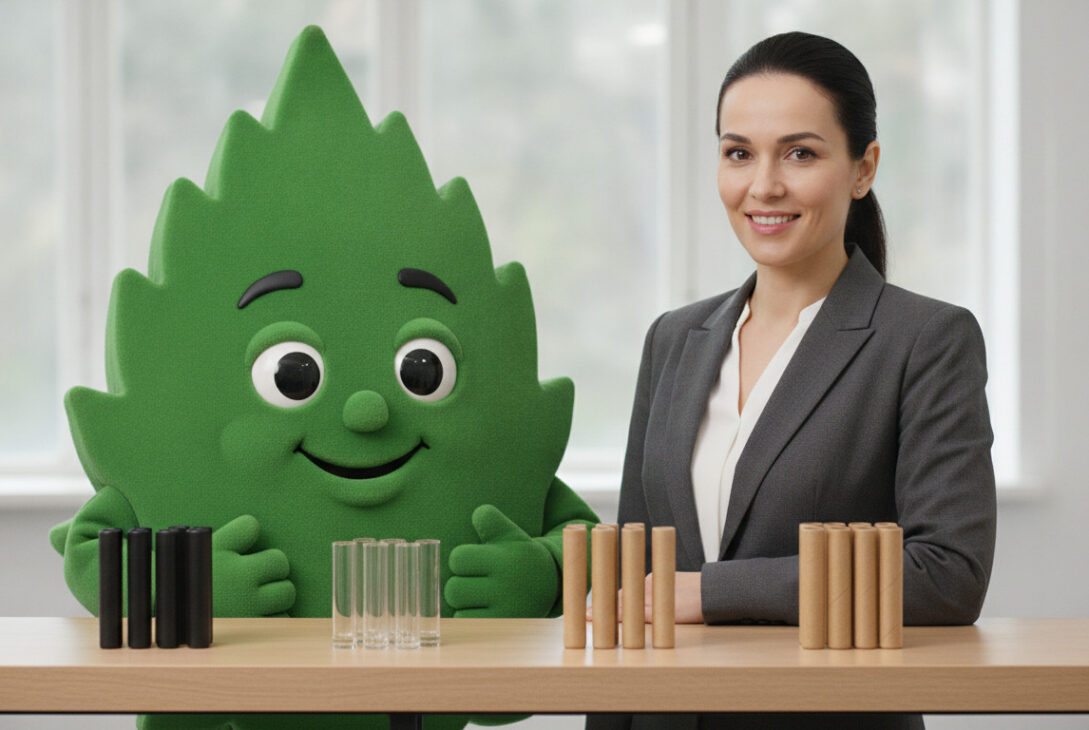
Pre-Roll Packaging in 2026 matters more than ever for hemp and CBD brands. Regulations and consumer tastes are shifting fast, so packaging now signals compliance and quality. Because rules vary from state to state, operators must rethink child resistant designs and documentation. Meanwhile, shoppers judge value by presentation and convenience, not just the product inside.
Design choices such as rigid tubes and multi pack formats influence margins and shelf appeal. However, what passed audits last year may fail today, raising recall risks and costs. Therefore suppliers who track rules from state to state and hold ASTM or CPSC certifications win trust. Also infused formats and cone style pre fills change how packaging must protect freshness and prevent tampering.
This guide examines innovation, compliance, and pricing strategies for pre roll tubes and multi pack boxes. It emphasizes practical steps for operators and suppliers who need reliable compliance and scalable costs. As a result learn how packaging acts as a brand signal, a compliance asset, and a margin lever. Read on to find tactical advice and market expectations for Pre-Roll Packaging in 2026.
What is Pre-Roll Packaging in 2026?
Pre-Roll Packaging in 2026 means the containers and formats used for hemp and CBD pre-rolls. It emphasizes child-resistant closures, verified ASTM or CPSC compliance, freshness protection, and sustainable materials with clear labeling. As a result, brands prioritize safety and innovation while matching packaging to consumer expectations for convenience and premium signal.
Innovations in Pre-Roll Packaging in 2026
Pre-Roll Packaging in 2026 will blend safety, sustainability, and smart tech to meet stricter rules and shifting consumer taste. Because regulations tighten and shoppers expect premium signals, packaging must perform on several fronts.
-
Sustainable materials and circular design
Brands use recyclable tubes and compostable outer sleeves to cut waste. However, they also add thin barrier liners to protect terpenes and freshness. Example: a kraft paper tube with a recyclable PET liner keeps aroma while reducing plastic.
-
Child-resistant innovation and permanent closures
States like Ohio banned slide-lock tubes in 2026, so permanent CR caps rose in use. Therefore suppliers deliver ASTM or CPSC tested mechanisms to pass state audits. Find the federal testing procedure at CFR-2023 Title 16 Vol 2. Consult CPSC special packaging guidance at CPSC Special Packaging FAQs.
-
Smart packaging for traceability and user experience
NFC tags and QR codes let shoppers verify batch tests and certifications. As a result, retailers scan packages to confirm authenticity and reduce returns. Regulatory expectations also reflect award standards; see winners’ packaging lessons at NYC Cannabis Winners 2026.
-
Freshness, terpene protection and infused formats
Infused pre-rolls now make up 43 percent of the segment, so protection matters. Therefore humidity control inserts and oxygen barriers preserve potency and aroma. New York winners show how terpene clarity drives buyer choice; see terpene coverage at NY Cannabis Cup Winners 2026.
-
Modular multi-pack and shelf-ready formats
Multi pack boxes now balance child resistance with unboxing ease. Meanwhile, display-ready trays shorten restock time and improve shelf impact. A smart multi pack signals value for higher price tiers.
-
Compliance-ready documentation and supplier services
Suppliers who track state rules and provide documented CR certifications win contracts. For example, brand-building pre-roll strategies tie packaging to in-store engagement. Read a strategy brief at Pre-Rolled Blunts Brand Building Opportunity.
Together these innovations make Pre-Roll Packaging in 2026 safer and more engaging. Therefore brands that invest now protect margins and reputation.
Consumer Trends in Pre-Roll Packaging
Pre-Roll Packaging in 2026 will reflect what shoppers value most: sustainability, convenience, and a clear brand signal. Because consumers now expect eco options, brands must balance green claims with functionality. However, convenience still ranks high, so packaging must be easy to open and carry.
- Eco friendly materials and honest claims
Buyers prefer recyclable and compostable options, but they demand proof. Therefore brands should adopt sustainable hemp packaging with visible recycling labels and clear supply chain notes. Studies show many consumers will pay more for greener choices: consumers willing to prioritize sustainability over price. - Convenience and portability
Shoppers want resealable tubes and compact multi packs that fit pockets. As a result, operators use modular multi pack designs that simplify retail restock and on the go use. Convenience formats must still meet child resistant rules. - Aesthetics and premium cues
Matte finishes, embossed logos, and minimal color palettes signal quality. However, over styling can mismatch price point, so match the tube to the product tier. This aligns with broader CBD packaging trends where presentation influences purchase. - Customization and limited editions
Consumers respond to seasonal sleeves, small batch labels, and batch specific artwork. Meanwhile QR codes let buyers verify tests and origin, adding trust and reducing returns. - Transparency and authenticity
Clear labeling, terpene notes, and lab links drive repeat purchases. Therefore sustainable hemp packaging must also protect freshness and display certificates.
In short, 2026 consumers expect packaging that is green, usable, and honest. Brands that balance sustainability, convenience, and compliant safety will win loyalty.
Comparison of Pre-Roll Packaging Materials and Features in 2026
Pre-Roll Packaging in 2026 demands choices that balance safety, cost, and sustainability. Therefore compare materials by child resistance, environmental impact, cost, and aesthetics. The table below helps operators pick the right tube or box.
| Material | Child resistance | Sustainability | Cost per unit | Aesthetics | Compliance notes |
|---|---|---|---|---|---|
| Biodegradable plastics | Can integrate permanent CR caps; avoids slide locks | Better end of life than PET; may need industrial composting | $0.10 to $0.20 | Clear or colored finishes; flexible design | Requires documented ASTM or CPSC style testing for CR; barrier liners needed for terpenes |
| Glass | CR lids available but fragile | Fully recyclable and inert; higher transport footprint | $0.30 to $0.60 | Premium clarity and weight | Heavy and breakage risk; some states prefer tamper evidence and certified CR closures |
| Cardboard/fiberboard | Works with inner CR insert or sealed multi-pack design | High recyclability and compostable options | $0.05 to $0.18 | Natural kraft looks; highly brandable | Needs inner barrier or liner for freshness; must show tested CR solution for child safety |
| Aluminum | Fits permanent CR caps and screw closures | Highly recyclable; low contamination risk | $0.12 to $0.30 | Sleek metallic finish; premium feel | Lightweight and durable; readily compatible with CR certification and tamper evidence |
Notes: costs are indicative and depend on volume and finish. Remember that state rules differ, so verify CR certification and material barriers before scaling.
Regulatory Landscape and Industry Standards for Pre-Roll Packaging
Federal testing and safety standards strongly shape Pre-Roll Packaging in 2026. For example, the Poison Prevention Packaging Act testing procedure requires measurable child resistance. See the official testing protocol at the official testing protocol. Also consult CPSC guidance on special packaging at CPSC guidance on special packaging.
-
Federal scope and tests
The CFR testing procedure sets child safety benchmarks. Therefore packaging designs must document how they meet those tests.
-
FDA context for cannabis derived products
The FDA clarifies its regulatory view for CBD and hemp products, though it does not preempt state cannabis packaging rules. See the FDA guidance page at FDA guidance on cannabis and CBD products.
-
State level variation and tighter rules
Because states add unique child resistant or tamper requirements, multi state operators face higher risk. For example, several states tightened CR rules in 2026, and Ohio banned slide lock tubes.
How this affects packaging choices
- Require documented CR certification from suppliers, because audits change quickly.
- Favor permanent child resistant mechanisms when possible, because some states ban temporary solutions.
- Add barrier liners for infused formats to protect terpenes and potency, therefore preserving shelf life.
- Keep compliance records accessible, because recalls and SKU failures can be costly.
In short, follow federal testing, monitor state rules, and work with suppliers who provide up to date certifications. Doing so protects operations and consumer safety.
Conclusion
Pre-Roll Packaging in 2026 will be where innovation, consumer taste, and regulation meet. Brands must invest in child resistant features and verified certifications while also choosing sustainable hemp packaging that protects terpenes and shelf life. As a result packaging acts as a brand signal, a compliance asset, and a margin lever.
Design choices should match product tier and customer expectations. Therefore avoid over styling or cutting costs that undermine the purchase signal. Also prioritize suppliers who document ASTM or CPSC style testing and track state by state rules to reduce recall risk and operational friction.
Stay proactive and keep monitoring changes, because what passed audits last year may not pass today. For ongoing coverage and practical guidance visit My CBD Advisor and subscribe for updates on compliance, CBD packaging trends, and packaging strategies for operators.
Frequently Asked Questions (FAQs)
Is pre-roll packaging safe for children?
Pre-roll packaging in 2026 must use certified child resistant mechanisms to reduce child access. Because states tightened rules, brands use permanent CR caps and tested closures. Therefore require documented ASTM or CPSC certification from your supplier. Keep test reports on file to pass audits and lower recall risk. As a result your packaging becomes a compliance asset and brand signal.
How eco friendly can pre-roll packaging be without sacrificing protection?
Sustainable hemp packaging is viable when you balance barrier performance and recyclability. For example, kraft tubes with thin recyclable liners preserve terpenes while cutting plastic. However test barrier performance and confirm industrial composting specs before claiming compostable status. Therefore work with suppliers who provide lifecycle data and verified labels today.
How do changing state regulations affect multi state operators?
State by state variation is the biggest operational challenge for multi state operators. Because several states tightened child resistant rules in 2026, you must adapt packaging per market. Therefore centralize compliance documentation and choose suppliers who track state rules. This reduces recall risk and speeds SKU deployment and saves operational time.
Which material works best for infused pre rolls?
For infused formats, barrier protection matters most. Aluminum and glass offer strong oxygen and light barriers. However cardboard can work with inner liners to preserve terpenes. Therefore evaluate cost, child resistant integration, and shelf life when choosing material. Also consider volume pricing and the margin effect of per unit packaging costs now.
How does packaging influence buyers in 2026?
Good packaging signals quality, convenience, and safety to buyers. As a result customers trust brands with clear labeling and verified lab links. Customization and QR enabled traceability increase repeat purchases and loyalty. Therefore align packaging style with price tier to avoid mixed signals and lost sales.