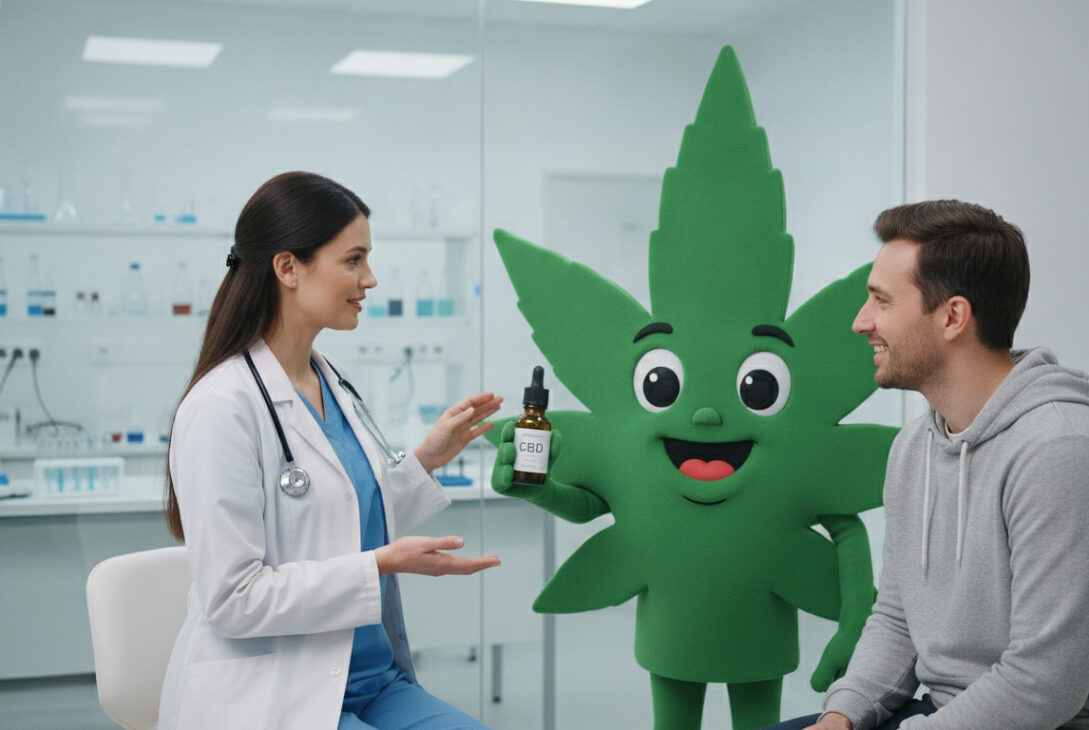
Patient safety demands more than marketing claims. A healthcare-ready cannabinoid ingredient bridges botanical promise with clinical practice.
Readers need clear standards and trusted data, and this article explains what makes an ingredient ready for healthcare. Because clinicians and compliance teams expect reproducible supply and validated methods, we focus on identity, purity, and documented analytical methods. In addition, you will see why stability data, safety data, and defined use cases matter.
Imagine a medicine cabinet where each vial lists its identity, impurity profile, residuals, and a clear certificate of analysis. That image captures the shift from commodity extracts to regulated, clinical-quality materials. Therefore, manufacturers, researchers, and healthcare stakeholders must adopt a supplier mindset that centers on quality oversight and regulatory-ready materials.
This introduction sets the stage for practical standards and safety criteria. As a result, the rest of the article will guide you through characterization, reproducibility, toxicology considerations, and clinical readiness. Read on to learn how a healthcare-ready ingredient earns clinical credibility and long term standardization.
What is a healthcare-ready cannabinoid ingredient?
A healthcare-ready cannabinoid ingredient meets rigorous quality, safety, and documentation standards so clinicians can consider it in care pathways. It includes defined identity and purity plus validated analytical methods and contaminant testing. Stability data and a clear clinical use case with dose rationale and safety evidence complete the package.
Benefits of Healthcare-Ready Cannabinoid Ingredients
Healthcare-ready cannabinoid ingredients deliver clearer clinical value, safer formulations, and stronger regulatory confidence. Because clinicians need reliable data, these ingredients focus on documented identity, purity, and validated analytical methods. In addition, authoritative reviews show growing evidence for specific clinical uses, which supports integration into care pathways.
- Improved cannabinoid benefits in clinical practice: When ingredients have defined potency and a supported dose, clinicians can evaluate efficacy more precisely and compare outcomes between studies.
- Reduced risk and enhanced cannabinoid safety: Routine contaminant testing for pesticides, heavy metals, solvents, and microbials lowers patient risk and builds trust with providers.
- Predictable healthcare applications and dosing: Stability data and reproducible supply let manufacturers recommend consistent doses for targeted applications, which aids clinical decision making.
- Faster regulatory and payer conversations: Because documentation includes methods, stability, and clinical summaries, stakeholders can assess products for pilot programs more quickly. For example, the CMS Substance Access Beneficiary Engagement Incentive program outlines how eligible hemp-derived products may be integrated under clinician oversight: CMS Substance Access Beneficiary Engagement Incentive program.
- Evidence alignment and scientific credibility: Major evidence reviews note substantial or conclusive findings for select endpoints, thereby strengthening the case for healthcare use: National Academies of Sciences, Engineering, and Medicine report.
Together, these advantages make healthcare-ready ingredients a practical route to clinical credibility and standardization.

Characteristics of Healthcare-Ready Cannabinoid Ingredients
Healthcare providers demand clear, reproducible quality before adopting botanical inputs. A healthcare-ready cannabinoid ingredient must show defined identity, purity, safety, and regulatory-ready documentation. Therefore, suppliers should design processes that produce consistent material over time.
Identity and purity
- Verified identity using validated assays and certified reference standards.
- Precise potency information with assay uncertainty and stability limits.
- Comprehensive impurity profiling, including degradation products and unidentified peaks.
- Transparent certificate of analysis and methods that explain how results were measured.
For consensus standards on assay and contaminants, consult USP’s cannabis resources and policy guidance: USP Cannabis Resources and USP Policy Position on Cannabis.
Consistency and supply
- Defined specifications that control batch-to-batch variability.
- Stability data that support recommended storage and shelf life.
- Supply chain foundations that ensure reproducible material for long term studies and commercialization.
Safety and contaminant control
- Routine testing for pesticides, heavy metals, residual solvents, microbials, and mycotoxins.
- Application specific safety work such as toxicology, genotoxicity, and impurity qualification when needed.
- Drug interaction considerations and clinical safety summaries to help clinicians assess risk. For regulatory perspectives on cannabis research and approvals, see FDA guidance: FDA Guidance on Cannabis Research.
Documentation and regulatory readiness
- Complete specifications, validated methods, and batch records.
- Stability reports, Certificate of Analysis traceability, and change control evidence.
- Clinical summaries, dose rationale, and safety dossiers to support healthcare applications and payer discussions.
Together, these qualities transform commodity extracts into healthcare-grade materials. As a result, clinicians and compliance teams can consider cannabinoids with greater confidence.
Comparison of Common Cannabinoid Ingredients
| Ingredient type | Purity | Regulatory status | Typical uses | Safety profile | Availability |
|---|---|---|---|---|---|
| Healthcare-ready cannabinoid ingredient | High purity; validated identity and impurity profile | Regulatory-ready documentation; suitable for healthcare review | Clinical formulations, provider-directed pilots, standardized dosing | Full contaminant testing; stability and toxicology data available | Limited suppliers; batch traceability and stability support |
| Full-spectrum hemp extract | Variable purity; contains multiple cannabinoids and plant matrix | Generally consumer-grade; limited clinical documentation | Wellness products, tinctures, topical applications | Variable; risk of contaminants and batch variability | Widely available from many producers |
| Broad-spectrum extract | Moderate to high purity; cannabinoids without THC | Consumer-grade; some suppliers provide advanced testing | Wellness formulations that avoid THC | Improved over full-spectrum; contaminant testing varies | Readily available but quality varies |
| CBD isolate | Very high chemical purity of CBD | Simple regulatory profile; widely used in consumer products | Precise dosing, research, edibles, topicals | Lower matrix risks; solvent residuals and manufacturing impurities possible | Widely available and inexpensive |
| Synthetic cannabinoid analogs | High chemical purity; single-molecule consistency | Complex regulatory status; many analogs are controlled substances | Research, specialized pharmaceuticals, illicit products | Potent effects; significant safety concerns and toxicity risks | Restricted to research labs and controlled manufacturers |
Current Healthcare Trends in Cannabinoid Ingredients
The market is moving from commodity extracts to regulated, clinical-grade inputs. Because pilots and Medicare models now consider hemp-derived products, demand for healthcare-ready cannabinoid ingredients is rising. For example, CMS’s Substance Access Beneficiary Engagement Incentive highlights clinician-led integration of eligible products: Substance Access Beneficiary Engagement Incentive.
Standardization and evidence alignment are growing priorities. Therefore, manufacturers increasingly publish validated analytical methods, stability studies, and impurity profiles. Major evidence reviews also push the field toward targeted clinical applications and better safety reporting: Health Effects of Marijuana: An Evidence Review.
Manufacturing trends favor traceable supply chains and documented change control. As a result, suppliers invest in batch records, COA transparency, and long-term stability programs. Moreover, clinical stakeholders expect dose rationale and safety dossiers before adoption.
Consumers and clinicians now demand safer, standardized cannabinoid ingredients. Consequently, the industry aligns quality oversight with healthcare applications. This alignment improves clinical credibility and supports payer and provider conversations about integrating cannabinoids into care.
CONCLUSION
A healthcare-ready cannabinoid ingredient combines rigorous identity, purity, and safety data with reproducible supply and regulatory-ready documentation. Because clinicians require consistent materials, these ingredients move cannabinoids from consumer products toward clinical acceptance.
The benefits include clearer clinical value, predictable dosing, and lower contaminant risk. Moreover, quality oversight and validated analytical methods enable safer healthcare applications. Therefore, manufacturers and suppliers should prioritize stability data, impurity profiles, and dose rationale.
Industry trends point to standardization, traceable supply chains, and pilot programs that test clinical integration. As a result, demand for healthcare-ready ingredients will continue to grow, driven by clinicians, payers, and informed consumers.
Choose healthcare-ready cannabinoids for safer and more reliable effectiveness in cannabinoid products. For further guidance on clinical-grade cannabinoid ingredients consult mycbdadvisor.com.
Frequently Asked Questions (FAQs)
What is a healthcare-ready cannabinoid ingredient and why does it matter?
A healthcare-ready cannabinoid ingredient is a clinically oriented material with verified identity, purity, and safety data. It matters because clinicians require reproducible supply and validated methods. Therefore, using such ingredients reduces uncertainty in dosing and supports reliable clinical outcomes.
How do manufacturers test safety and contaminants?
Manufacturers run routine panels for pesticides, heavy metals, solvents, microbials, and mycotoxins. In addition, they perform stability testing and impurity profiling. As a result, suppliers can provide Certificates of Analysis and safety summaries that clinicians and regulators can review.
Will healthcare providers accept cannabinoid ingredients for patient care?
Acceptance depends on documentation and evidence. However, when suppliers provide validated assays, stability data, and dose rationale, clinicians are more likely to consider the ingredient. Moreover, clinician oversight and pilot programs help build real world credibility.
Are healthcare-ready cannabinoids compliant with current regulations?
Regulatory status varies by jurisdiction and product use. Therefore, developers must align materials with applicable guidance and maintain regulatory-ready records. For healthcare use, clear documentation often eases conversations with compliance teams and payers.
How can a supplier prove an ingredient is healthcare-ready?
Suppliers should provide complete specifications, validated analytical methods, and batch records. They should also publish stability reports, safety summaries, and a clinical use case with supported dose. Because transparency matters, traceable COAs and change control records strengthen the ingredient’s clinical credibility.
Related on CBD Advisor
- How will State-regulated hemp cannabinoids modeled after alcohol reshape
- Why choose hemp-derived feed ingredients for livestock
- What is Rare Cannabinoid Company edibles review really saying