Introduction
Cannabis and LGBTQ+ connections describe how medical cannabis, mutual aid, and activism combined to meet urgent health needs and confront criminalization. This relationship matters because it shaped care, social spaces, and legal change.
Key themes include medical cannabis use, buyers clubs born during the AIDS crisis, harm reduction, and ongoing efforts toward trans inclusion and community care. Activists turned peer distribution into legal campaigns and cultural institutions, documented in reporting and archives such as the San Francisco Chronicle piece on AIDS era activism and the National Library of Medicine buyers club records San Francisco Chronicle article and the National Library of Medicine buyers club archive. Find histories, evidence summaries, practical access steps, and local resources in the guide to cannabis and LGBTQ+ health for readers and clinicians.
What are Cannabis and LGBTQ+ connections?
Cannabis and LGBTQ+ connections describe how medical cannabis, mutual aid, and activism combined to meet health and social needs.
- Medical use: relief for chronic pain, nausea, appetite loss, and anxiety; evidence for pain and some symptom relief systematic evidence review.
- Mutual aid & buyers clubs: grassroots distribution, peer counseling, and safe social spaces that provided urgent care during the AIDS crisis.
- Policy & advocacy: community organizing turned care into legal and policy changes that expanded access and patient protections medical cannabis guidance.
See practical guides and local referral tools in our cannabis resource hub: cannabis resource hub.
Historical context of Cannabis and LGBTQ+ connections
1970s–1980s culture and nightlife
Cannabis became part of queer social life in cities such as San Francisco and New York. Nightclubs, bars, and private gatherings used shared cannabis to ease stigma and build community. These spaces helped coordinate mutual aid and cultural expression.
1980s–1990s AIDS crisis and buyers clubs
When medical systems failed many people with HIV/AIDS, activists turned to alternative therapies including cannabis. Volunteers and leaders organized buyers clubs to deliver medicine, meals, and counseling. Notable figures and grassroots groups created networks that treated symptoms and reduced isolation.
Legal outcomes and archives
Community activism fed legal campaigns like California Proposition 215 and changed public policy. Read the official text in the 1996 voter pamphlet for Proposition 215. Archivists now preserve buyers club records, for example the National Library of Medicine buyers club archive. These records show how direct care and legal strategy worked together, and they inform present debates on access, gender inclusion, and harm reduction.
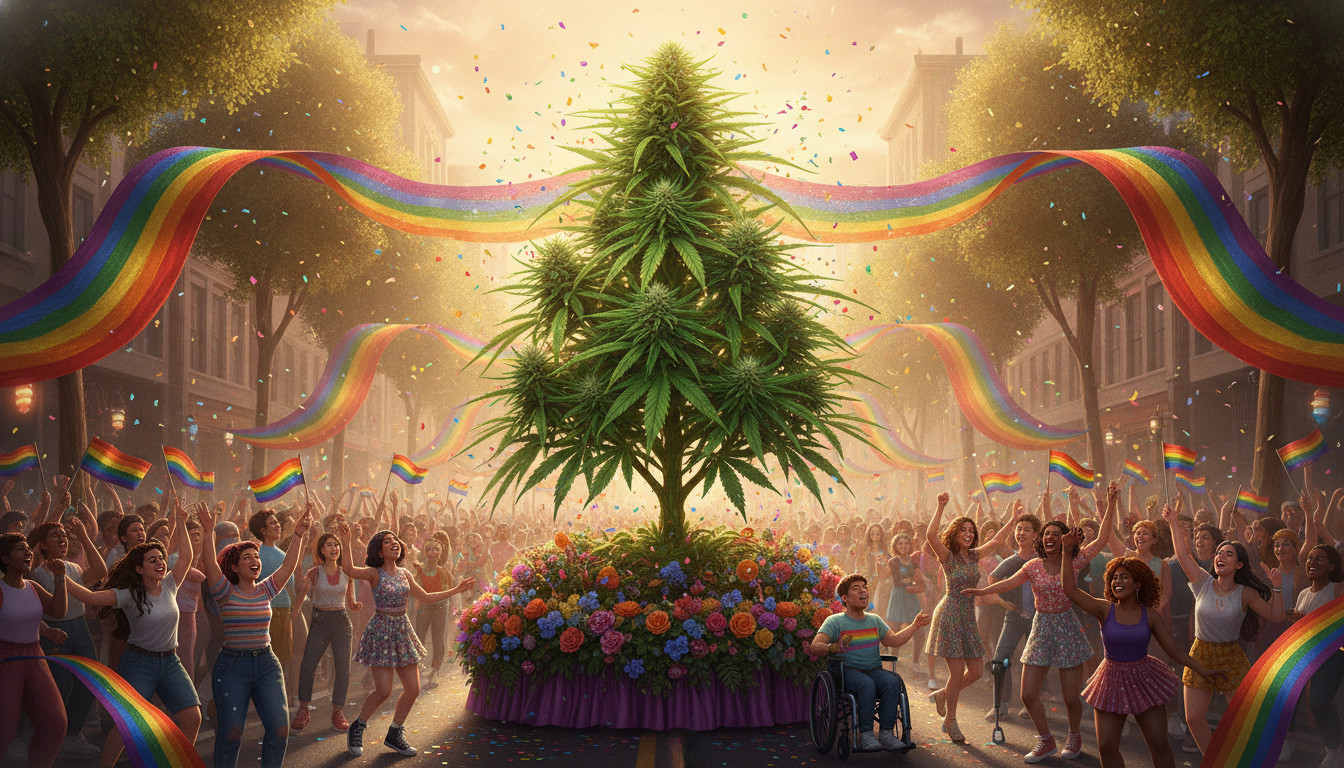
Quick takeaway: Cannabis can address pain, nausea, anxiety, and social isolation across LGBTQ+ groups when used with low-dose starts, lab-tested products, and clinical review for medication or hormone interactions.
Cannabis benefits by LGBTQ+ subgroup
This table summarizes common wellness needs across LGBTQ+ subgroups, concise therapeutic roles cannabis may play, and specific harm reduction actions. Consult a clinician for drug interactions and personalized care.
| Subgroup | Common wellness needs | How cannabis can help | Notes and harm reduction |
|---|---|---|---|
| Gay men | Stress; sexual-health pain | Reduce short-term anxiety; ease pain | Start low, titrate slowly, prefer balanced THC:CBD; use lab-tested products |
| Lesbian women | Chronic pain; hormonal mood shifts | Anti-inflammatory effects; promote relaxation | Try topical CBD for localized pain; avoid mixing with heavy alcohol |
| Bisexual people | Identity stress; anxiety | Acute anxiety relief; ease social settings | Microdose to limit dysphoria; track strain effects and triggers |
| Transgender people | Gender dysphoria distress; hormone therapy side effects | Reduce anxiety; relieve nausea and appetite loss | Consult clinician about interactions with hormone therapy; monitor for effects on drugs metabolized by CYP enzymes and adjust doses as needed systematic review of cannabinoid interactions |
| Nonbinary and queer youth | Social isolation; school anxiety | Support safe social bonding; reduce acute anxiety | Respect legal age limits and state rules; seek professional mental health support and pediatric guidance state medical cannabis laws guidance |
| Older LGBTQ+ adults | Chronic pain; sleep disturbance; loneliness | Reduce pain; improve sleep quality and daily function | Monitor medication interactions with common prescriptions; start with low CBD formulations and review meds with a clinician review on pharmacokinetic interactions |
How does cannabis support LGBTQ+ wellness
Many LGBTQ+ people use cannabis to manage physical symptoms, mental health, and social connection. Below are concise subsections on physical health, mental health, community support, and safety interactions.
Physical health
Cannabis can reduce chronic pain and ease nausea for people with long term conditions. Evidence shows substantial support for pain reduction though strength varies for other symptoms.
- Pain relief for chronic conditions that improves mobility and daily functioning.
- Nausea control and appetite stimulation during illness or treatment related loss of appetite.
- Sleep improvement that supports recovery, reduces fatigue, and aids daytime function.
Mental health
Cannabis can ease acute anxiety and reduce panic when used carefully at low doses. People often choose low THC or higher CBD formulations to limit adverse effects.
- Short term anxiety relief in stressful social or medical situations when doses are controlled.
- Temporary mood easing for acute distress, though long term benefits are less clear.
- Avoid high THC products if you have personal or family history of psychosis.
Community and social support
Shared cannabis use historically built trust and reduced isolation in many queer spaces and clinics. Buyers clubs and peer networks provided medicine, counseling, and mutual aid.
- Facilitates social bonding and peer support in consent based group settings.
- Enables mutual aid networks that distribute medicine and offer harm reduction education.
Safety and interactions
Clinicians recommend start low and go slow when using cannabis to reduce adverse effects and dependence. THC and CBD can interact with hormone therapy and psychiatric medications, so consult clinicians and review the evidence in the National Academies cannabis evidence report and the NIDA marijuana medicine factsheet.
- Use lab tested products to know potency and screen for contaminants.
- Start with low doses, keep a usage log, and avoid driving while impaired.
- Discuss medications, liver enzymes, and interactions with your prescriber before using cannabis.
CONCLUSION
The history of Cannabis and LGBTQ+ connections shows medicine, mutual aid, and activism deeply intertwined across decades. Buyers clubs led by community volunteers filled urgent care gaps during the AIDS crisis. Because of that activism, laws like Prop 215 changed access and protected patients. However stigma and uneven access still harm many queer and trans people today.
Future research must examine tailored therapies, long term outcomes, community needs, and equity in access. Community programs can expand harm reduction, culturally competent education, peer support, and inclusive clinics. Therefore advocates and clinicians must collaborate to center trans inclusion and underserved voices now.
Explore resources and practical guidance at myCBDadvisor and join conversations with care. We encourage curiosity, respectful dialogue, and evidence based approaches for healing and justice.
Frequently Asked Questions (FAQs)
What are Cannabis and LGBTQ+ connections?
Cannabis and LGBTQ+ connections describe medicine, social life, and activism working together. Patients and organizers used cannabis for symptom relief and mutual aid. Today those ties shape access policy and harm reduction programs. Therefore the connection is both practical and political.
How did cannabis help LGBTQ+ communities during the AIDS crisis?
During the AIDS crisis activists distributed cannabis to ease pain, nausea, and appetite loss. Buyers clubs offered medicine, meals, and social support. Brownie Mary and Dennis Peron became local leaders, and volunteers organized legal defense. Consequently grassroots action influenced Proposition 215 and later reforms.
Is cannabis safe for LGBTQ+ people to use for stress and anxiety?
Cannabis can help with stress and mild anxiety, but safety varies. Therefore start low, go slow, and choose lab tested products. Also consult a clinician about interactions with hormones or psychiatric medications. If you have psychosis risk avoid high THC strains and seek supervised care.
How does cannabis support community healing and social bonding within queer spaces?
Shared cannabis use built trust and eased isolation in queer spaces. Moreover buyers club networks created peer care and mutual aid systems. As a result many people found social bonding, reduced loneliness, and community resilience. Still prioritize consent, dosing education, and harm reduction in group settings.
Where can I learn more about Cannabis and LGBTQ+ connections and safe access?
To learn more about Cannabis and LGBTQ+ connections consult medical archives and public health reviews. For example consult library collections on buyers clubs and systematic reviews of therapeutic use. Also contact local queer health centers for culturally competent guidance and referrals.
Related on CBD Advisor
- Can legacy to legal cannabis culture survive MSO dominance
- How will California cannabis regulation and DCC leadership unfold
- Which legacy operators in the legalized cannabis industry dominate