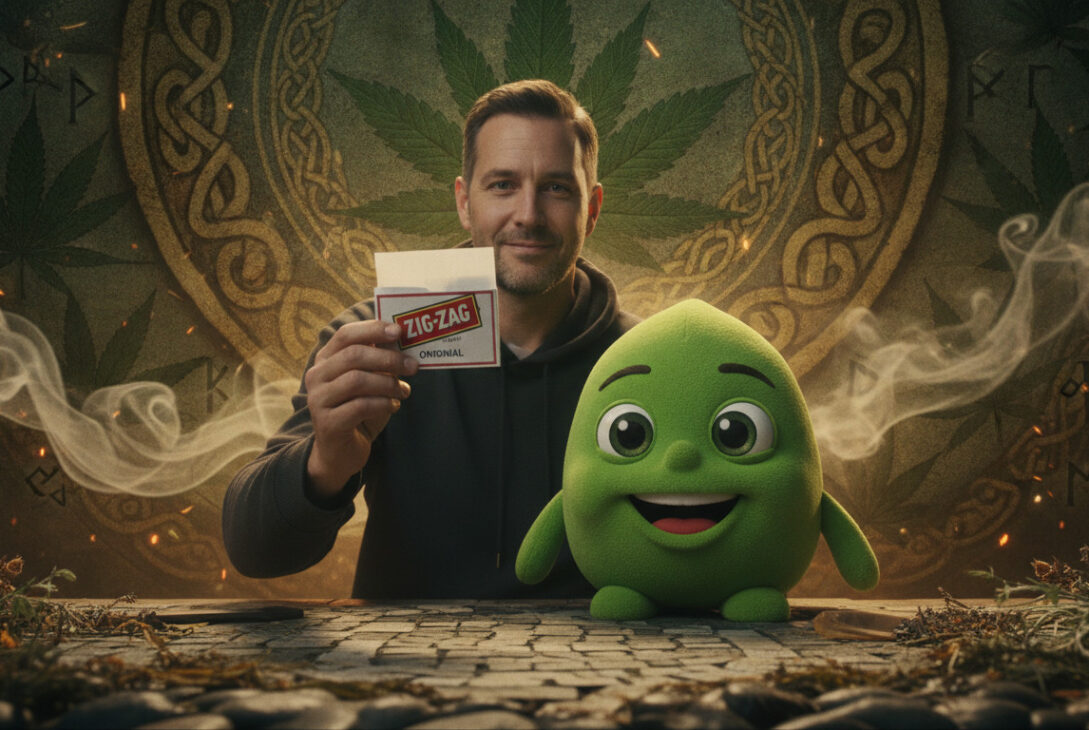
Zig-Zag Man: cultural icon in cannabis culture, the folded-face Le Zouave, appears in concert posters, lyrics, and tattoo sleeves. It has anchored rituals for decades, and it still sparks recognition instantly. Seen on album art, tattoos, and runway details, it feels familiar.
This piece explores how a simple mascot became a marker of authenticity and belonging. Along the way, we trace its wartime origin, music and fashion moments, and recent campaigns. We also unpack how marketing turned a booklet into shorthand for authenticity.
By tracing music, tattoo, and fashion ties, we show cross-cultural reach. For example, rap lyrics and psychedelic posters helped cement its place. Meanwhile, recent campaigns and collaborations keep it relevant for new users.
Whether you care about rolling ritual or packaging psychology, this guide helps. As a result, you will spot how branding shapes trust and choice in cannabis. Read on to meet Le Zouave and learn why the Zig-Zag Man still matters.
What is Zig-Zag Man in cannabis culture?
Zig-Zag Man: cultural icon in cannabis culture is Le Zouave. The folded-face mascot on Zig-Zag rolling papers signals ritual, authenticity, and shared identity across music, tattoo, and fashion scenes. As a result, it acts as a visual shorthand that influences consumer trust and choice when selecting rolling papers.
Zig-Zag Man: History and Cultural Impact
Zig-Zag Man: cultural icon in cannabis culture traces back to a 19th century Zouave soldier image used by French papermakers Maurice and Jacques Braunstein. They patented an interleaving process that created the folded Z pattern, and they put the Zouave on booklets. As a result, the image linked a simple paper to ritual and identity.
Origins and early branding
The symbol first appeared on rolling papers in the late 1800s. For historical context, see the Smithsonian museum entry on Zig-Zag rolling papers. The Zouave legend gave the brand a human face, while the fold made the name memorable.
From packets to cultural shorthand
Over decades, the Zig-Zag Man moved beyond packaging. For example, 1960s psychedelic posters and tattoo flash featured the face, which amplified its cultural reach. Hip-hop artists later referenced the design in lyrics and album art, so the image became a cannabis culture symbol and a marker of authenticity.
Key cultural moments
- 1966 poster by Stanley Mouse and Alton Kelley that spread the image among concertgoers
- Early Zig-Zag flash tattoos that tied the brand to body art
- Hip-hop nods from Eazy-E, Dr. Dre, and Snoop Dogg that normalized the symbol
- Luxury fashion and collaborations that recontextualized the motif
Why it resonates
Users connect with the Zig-Zag Man because it signals ritual, history, and shared taste. In terms of cannabis branding, the mascot functions as a trust cue; therefore, it influences choice and shapes community identity. As a result, Le Zouave remains central to how many people recognize and relate to the cannabis consumption lifestyle.
For broader context on how paraphernalia shaped marijuana culture, see Smithsonian Magazine’s history of 1970s decriminalization and cultural change here.
Modern Influence of Zig-Zag Man in Cannabis Branding
The Zig-Zag Man shapes modern cannabis branding by offering a compact symbol of heritage and authenticity. For decades, the mascot signaled a trusted ritual among users. As a result, many brands now aim for similar shorthand to convey legacy and credibility.
How the icon informs design choices
- It establishes trust quickly because familiar imagery reduces perceived risk. Therefore, packaging that echoes heritage cues often outsells plain alternatives.
- It signals authenticity and street cred, which matters in subcultures like hip-hop and tattoo communities.
- It demonstrates how a single mark can move from utilitarian packing to cultural emblem, so marketers study that shift when building legacy messaging.
Concrete marketing effects
- Co branding and collaborations borrow the motif for credibility and nostalgia. For example, fashion partnerships recast the motif as premium while retaining origin story resonance.
- Product lines highlight “heritage” editions and retro packaging to tap nostalgia and authenticity.
- Retailers often place legacy-branded items in visible spots because they drive trust and impulse buys.
For evidence that packaging and brand imagery drive consumer appeal and perception, see a recent study on packaging effects in cannabis markets here. For cultural context and case examples, read an industry feature on iconic cannabis logos and mascots here.
In short, the Zig-Zag Man helped define the cannabis branding evolution. Consequently, many modern brands now balance regulatory rules with design strategies that borrow cultural shorthand and trust cues.
Comparison of Iconic Cannabis Culture Symbols
| Symbol Name | Origin | Meaning | Cultural Impact |
|---|---|---|---|
| Zig-Zag Man | 19th century French Zouave image on Zig-Zag rolling papers | Signifies ritual, heritage, and authenticity | Became shorthand for genuine cannabis use; referenced in music, tattoos, and fashion |
| Cannabis Leaf | Botanical symbol from cannabis plants, popularized in 20th century counterculture | Direct symbol of marijuana and cannabis identity | Universally recognized icon used in logos, advocacy, and product design |
| 4/20 | Counterculture term that emerged in the 1970s | Marks time and date for communal consumption and celebration | Fuels global events, activism, and seasonal product releases every April 20 |
| Glass Bong | Evolved from traditional water pipes to modern glass designs | Represents social consumption, ritual sharing, and craftsmanship | Featured in art, lifestyle branding, and connoisseur culture |
| Rastafarian Colors | Inspired by Ethiopian flag and Rastafarian movement | Symbolizes cultural roots, resistance, and spiritual use | Influences product palettes, fashion, and political identity within cannabis culture |
CONCLUSION
The Zig-Zag Man: cultural icon in cannabis culture remains a rare brand figure that crossed utility into identity. It links ritual and history, and it gives products instant authenticity. Brands borrow that shorthand because it signals trust.
Today its legacy shapes packaging, collaborations, and campaign storytelling. As a result, marketers study Le Zouave when crafting heritage cues. Future brands can learn to balance nostalgia with responsible design.
For more on packaging, culture, and product choices, explore cannabis culture resources. We expect Le Zouave’s story to evolve, and it will keep teaching how culture and branding interact. Look for new collaborations and campaigns that reframe the symbol for new audiences. It remains a lesson in how small design choices create cultural meaning.
Frequently Asked Questions (FAQs)
What is Zig-Zag Man in cannabis culture?
Zig-Zag Man: cultural icon in cannabis culture is the folded-face mascot on Zig-Zag rolling papers. It stands for ritual, heritage, and an easy signal of authenticity to users. Because it appears in music, tattoos, and packaging, many people recognize it instantly.
Why is Zig-Zag Man important to cannabis culture?
The Zig-Zag Man matters because it ties a product to story and ritual. As a cannabis branding icon, it gives companies a heritage cue that reduces buyer uncertainty. Therefore, it influences choice and lends credibility in crowded markets. Brands copy those signals to show authenticity.
How has Zig-Zag Man influenced music and fashion?
Artists and designers adopted the Zig-Zag Man into posters, album art, and runway looks. In hip-hop, tattoo culture, and psychedelic scenes, the image signals realness and street credibility. Consequently, the mascot crossed into luxury collaborations while keeping underground cachet. This mix keeps the symbol relevant to new audiences.
Is Zig-Zag Man used in modern branding and marketing?
Yes, companies use Zig-Zag cues to create heritage lines and retro products. Zig-Zag Man: cultural icon in cannabis culture provides a template for iconic cannabis logos and packaging. Therefore, marketers blend nostalgia with modern compliance to reach discerning buyers. So you will see heritage runs and special editions in stores.
Can I get a Zig-Zag Man tattoo or buy Zig-Zag merchandise?
Yes, fans often get Zig-Zag Man tattoos or buy branded merch. Because the mascot symbolizes shared ritual, merchandise acts as a cultural badge. However, copyright and trademark rules apply, so check permissions before reproducing the image commercially. As a result, many prefer licensed pieces or official collaborations.